Natrag From Syria to Reintegration: Supporting Violent Extremist Offenders in the Probation System in Albania

Tirana / Albania 4 May 2026
  • Diminuer la taille du texte
  • Augmenter la taille du texte
  • Imprimer la page
  • Imprimer en PDF
Julinda Manja & Roland Sulika

Julinda Manja & Roland Sulika

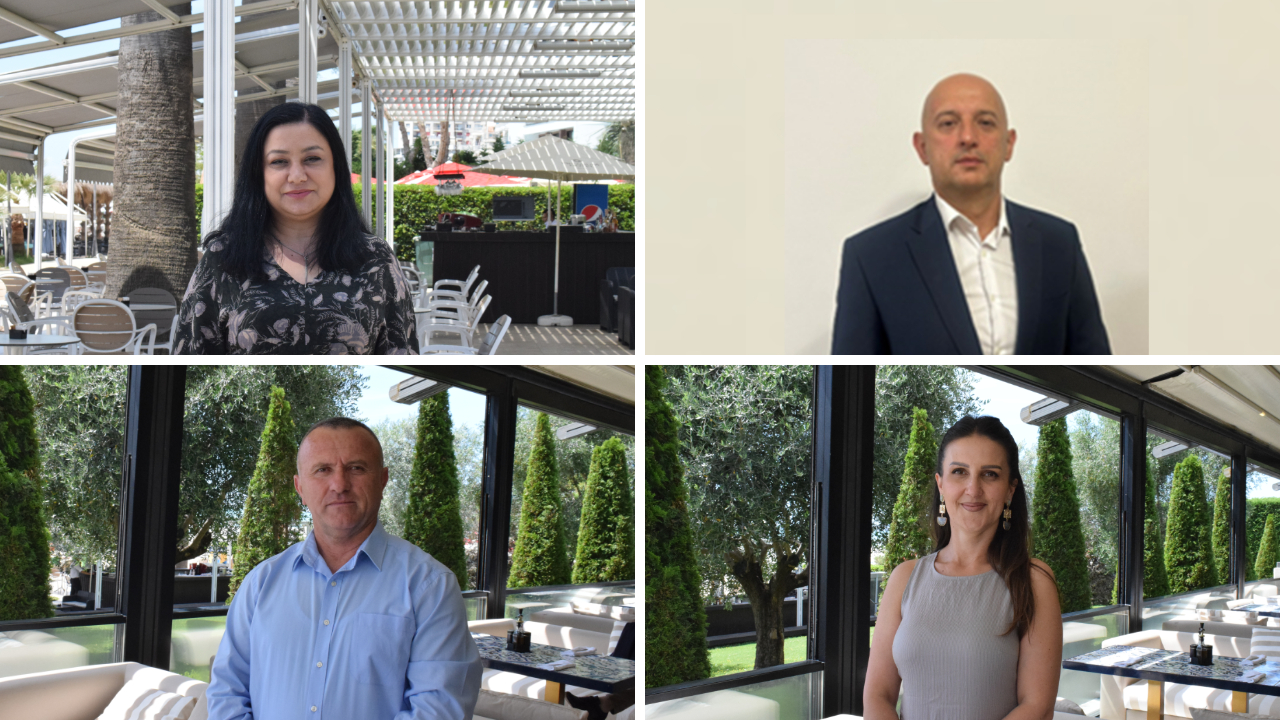
In her dark clothing, Fatime* sits quietly, seemingly uninterested in any conversation, waits impatiently to meet her Probation Officer in Tirana. Every three months, she is required to report and discuss her progress with the probation authorities. She is one of the nine women who returned in October 2024 after years in Syria, where she was caught in a conflict far from her homeland, having survived unimaginable hardship. Now, as a mother, daughter, and convicted violent extremist offender (VEO), Fatime faces the daunting challenge of reintegration under the supervision of the Albanian Probation Service. Her return, along with eight other women, marks a milestone for Albania’s justice system. For years, women like her were seen only as victims, requiring psychological care and support instead of criminal justice intervention. However, with legal definitions now evolved and clarified, Fatime was sentenced to probation — a community sanction and measure, which includes also assistance aiming at the social inclusion of offender.

The decision to convict VEOs to probation regime is a progressive and humane approach to justice and community reintegration. Recognising that effective rehabilitation and reintegration require more than incarceration, Albanian authorities, with support from the European Union and Council of Europe, have pioneered developing proper tools and programmes to support the VEOs in their rehabilitation and effective reintegration.  

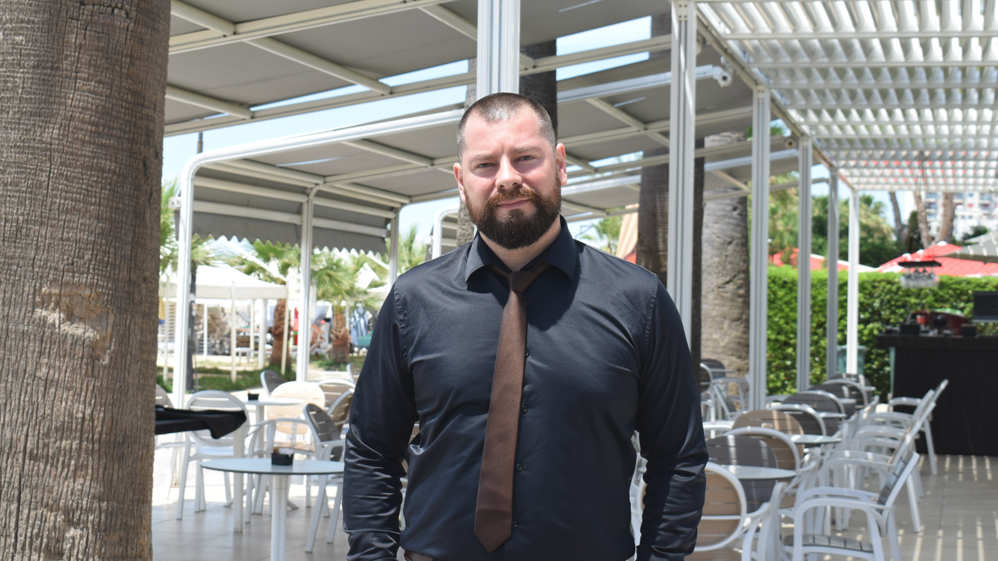
Roland Sulika, probation officer from Mat, is among those who have participated in specialised capacity-building activities on managing and rehabilitating VEOs, in the framework of the EU and Council of Europe joint action “Enhancing co-operation in the Western Balkans in managing violent extremism in prisons and preventing further radicalisation after release”. He emphasises the significance of equipping probation staff with advanced tools for assessing potential signs of radicalisation and tailoring individual intervention programmes. Roland notes that these instruments are crucial in evaluating the unique needs and factors involved in each individual’s rehabilitation and integration. “One tool that stood out is the Individual Treatment Plan. It adds depth to our approach, ensuring interventions are not only reactive but also proactive and comprehensive,” he explains. For Roland, the training was transformative, enhancing both his technical knowledge and his professional confidence.

The trainer Julinda Manja, probation inspector from Tirana and one of the first officers to initiate the current training programme, underscores the importance of distinguishing between women VEOs in probation and those in prison settings. “Initially, this reintegration approach was connected only to the prison system, but we advocated for its development within the Probation Service, recognising the unique dynamics, especially for women returning from Syria,” she explains. With support from the Council of Europe, the Albanian Probation Service has developed and successfully piloted new tools tailored for this category of offenders. “Since the gradual introduction of these instruments, their openness and cooperation have grown remarkably. At first, there was scepticism and distance, but today, our communication with them is much easier,” admits Julinda.

Interventions are now expanding, focusing not only on the returned women but also on their families, who may be at risk. We learn that in some municipalities, such as Mat, a working group of diverse stakeholders, led by the local prefect, meets quarterly to review the management of VEOs, assess related risks, and address new cases. These sessions highlight a key lesson that effective reintegration relies on collaboration of various actors and the use of the right tools and methodologies adapted to the specifics of institutions.

While capacity-building activities continue, the Council of Europe’s tools and methodologies, adapted for Albanian probation, are ensuring a gradual and supported reintegration of VEO-s back into society. For, Fatime and others like her, this approach means being recognised not just as former offenders, but as individuals deserving dignity and assistance on their path back to community life.


*Name changed to protect identity of the subject .

This session of the website features inspiring narratives, human stories and success examples, that demonstrate positive change  and improvement in the lives of individuals, local communities, and society as a whole.

Natrag In Belgrade, youth and decision-makers join forces to counter hate speech through dialogue and art

Belgrade 17 June 2025
  • Diminuer la taille du texte
  • Augmenter la taille du texte
  • Imprimer la page
  • Imprimer en PDF
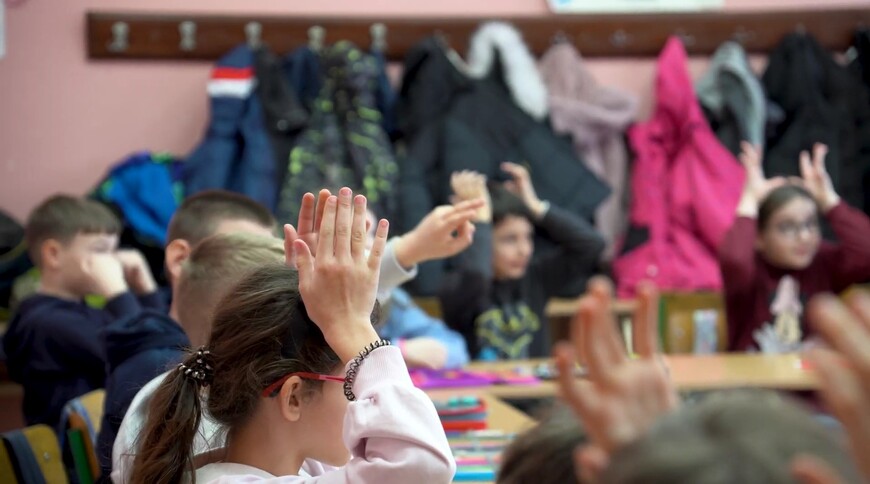
Photo by Sanja Knežević/UN

Photo by Sanja Knežević/UN

In a strong show of solidarity against hate and discrimination, youth representatives and senior officials gathered at the Silosi cultural centre in Belgrade to mark the International Day for Countering Hate Speech. The event featured a vibrant panel discussion followed by the unveiling of a large mural, both aiming to foster unity, inclusion, and resilience in the face of rising hate speech in the region.

The gathering also marked the launch of the joint “Tolerance” campaign — a six-month awareness-raising initiative by the United Nations and the Council of Europe aimed at promoting inclusion and countering hate through youth engagement, education, media and public dialogue.

Organised under the joint European Union and Council of Europe programme Horizontal Facility for the Western Balkans and Türkiye, and in partnership with the UN Country Team in Serbia, the event highlighted the power of youth participation in shaping anti-discrimination policies and narratives.

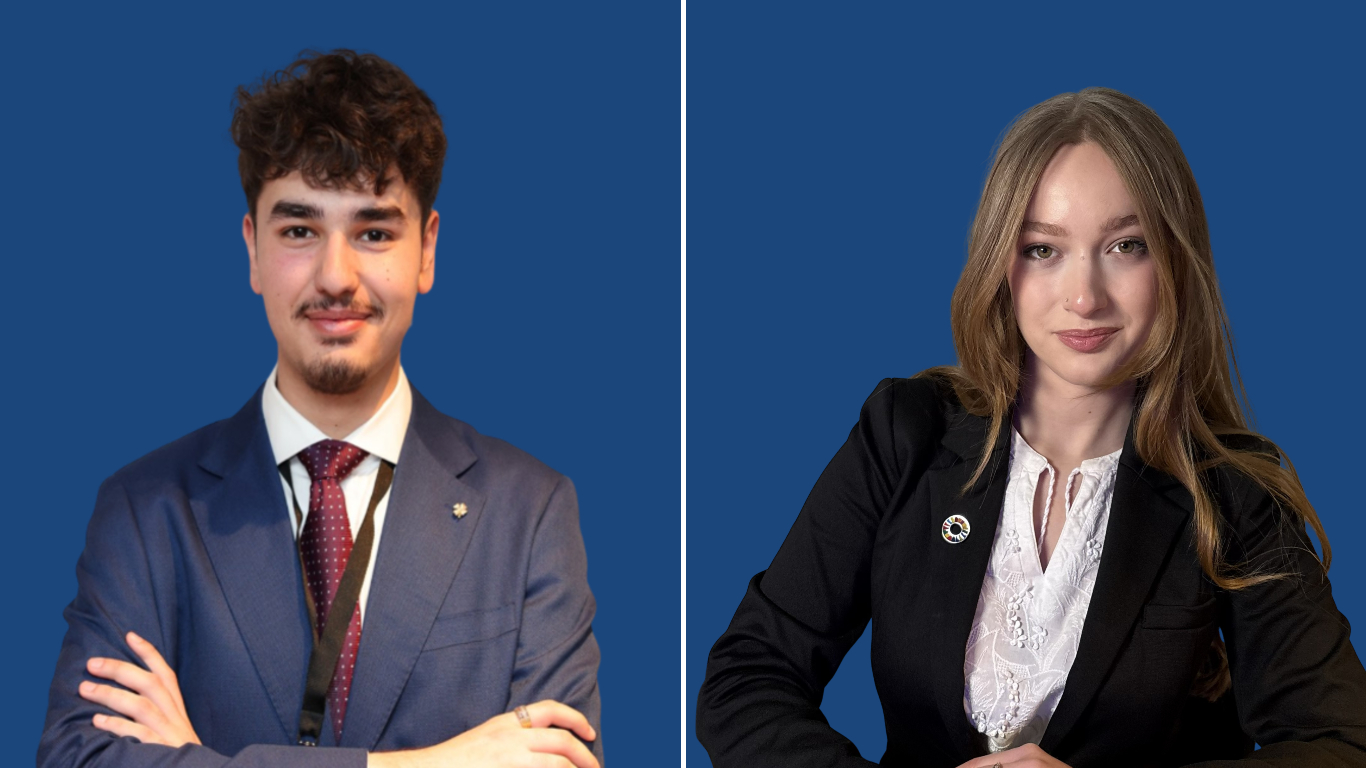
Opening the event, Janos Babity, Head of the Council of Europe Office in Belgrade, said that the International Day for Countering Hate Speech serves as a powerful reminder of the urgent need to address hate speech in all its forms—online and offline—and to build inclusive, respectful societies rooted in human rights, equality, and mutual understanding. “At the heart of this effort are young people, who continue to be among the most affected by discrimination but also among the most vocal and creative agents of change. Their leadership, ideas, and courage are essential to confronting intolerance and reshaping narratives of exclusion into those of solidarity and shared humanity.”

In her remarks, Matilde Mordt, United Nations Resident Coordinator in Serbia, emphasised the urgency of acting against hate speech and the role of young people in creating lasting change.

“If hate is loud, then tolerance must speak louder — not with anger, but with empathy, creativity, and courage. The ‘Tolerance’ campaign is a call to action: to choose inclusion over division, and to amplify the stories that bring us closer, not push us apart,” said Mordt.

At the heart of the event was a youth-led panel discussion based on the 75 recommendations developed at the 2024 Sjenica Youth Forum. The dialogue brought together young people from diverse networks—including the Young European Ambassadors, UNICEF Youth Network, alongside participants from the regional United Nations initiative Youth 4 Inclusion, Equality & Trust, UN Association and the youth panels of the Commissioner for Equality and Ombudsperson—with senior policy-makers.

Topics covered included education as a tool against hate, discrimination based on ethnicity, religion, gender, and identity, as well as combating online hate and boosting youth resilience. The discussion was moderated by Prof. Ivana Krstić, from the Faculty of Law at the University of Belgrade.

Brankica Janković, Commissioner for the Protection of Equality, also highlighted the key role of young people in the fight for a more tolerant and just society. “Young people are the only ones with the potential to be drivers of change when it comes to hate speech, which is often not taken seriously enough and is seen merely as a step toward conflict and violence — even though its use normalises violence,” said the Commissioner.

Following the panel, participants moved to the Silosi area to unveil a giant mural inspired by messages of inclusion and solidarity. Created by local artists, Luka Prstojević and Kruna Jevtić, the mural is envisioned as a lasting public statement against hate speech and a celebration of diversity.

Plamena Halacheva, Deputy Head of the EU Delegation to Serbia, said unveiling the mural that the mural is more than just an artistic act — it is a message. “It is a message of determination and unity in standing up to hatred in all its forms, whether on the street, in schools, or online,” said Halacheva.


The mural painting and organisation of the event were supported through the action "Combating discrimination and promoting diversity in Serbia", which is part of the joint programme of the European Union and the Council of Europe "Horizontal Facility for the Western Balkans and Türkiye", in partnership with the United Nations Country Team in Serbia.


NoHateSpeech Day in Belgrade, Serbia

Beneficiary
Albania
Bosnia and Herzegovina
Kosovo*
Montenegro
North Macedonia
Regional
Serbia
Türkiye
Topic
Anti-Discrimination
Fighting Corruption
Freedom of Expression
Justice
Reset Filter


Co-operation with 
Young European Ambassadors

 ZA NAJNOVIJE OBAVIJESTI

Prijavite se na naš bilten