Назад Breaking the cycle: Transforming violent extremist prisoners in the Western Balkans

Western Balkans 2 August 2026
  • Diminuer la taille du texte
  • Augmenter la taille du texte
  • Imprimer la page
  • Imprimer en PDF
Breaking the cycle: Transforming violent extremist prisoners in the Western Balkans

Violent Extremist Prisoners and Offenders (VEP/O-s) are individuals whose crimes were shaped not only by personal circumstance but also by radical and dangerous ideologies. Managing and rehabilitating these prisoners presents an extraordinary challenge for authorities in the Western Balkans. In the past, prison systems often lacked the specialised tools, training, or structured programmes needed to address radicalisation but also to offer real hope for change. Solutions had to be found that could both mitigate security risks and provide those influenced by violent extremism a genuine path to resocialisation and ultimate rehabilitation. Over the recent years, the landscape has changed dramatically in the region. Thanks to targeted interventions and collaborative efforts led under the joint EU and  Council of Europe programme “Horizontal Facility for the Western Balkans and Türkiye”, new strategies have taken root in the region. Combining practical instruments, tailored guidelines, and regular capacity-building sessions, these programmes have empowered prison staff and improved treatment protocols. They have also established sustainable frameworks for managing violent extremism in correctional settings across the Western Balkans.

Serbia: Personal journeys, real change

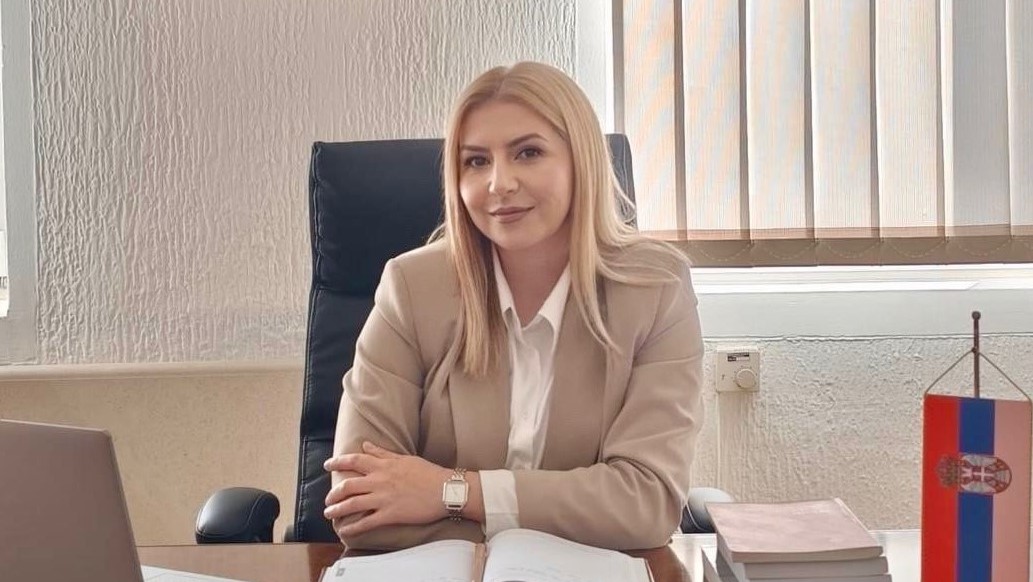
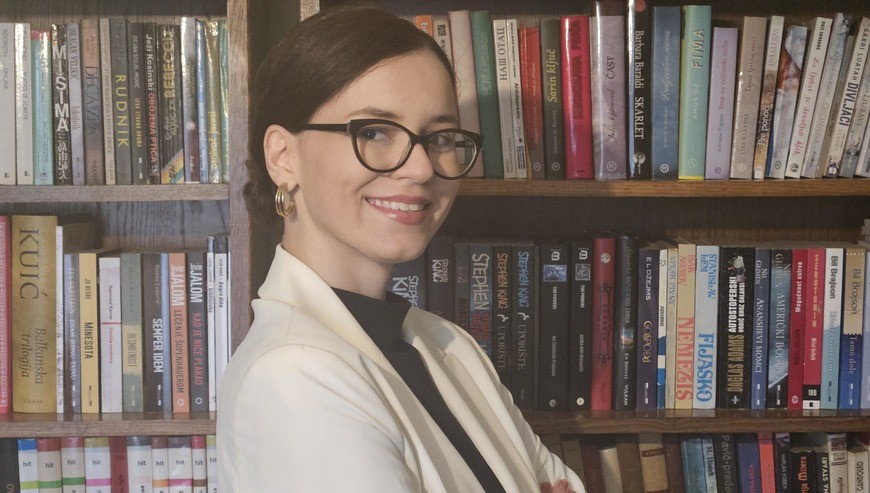
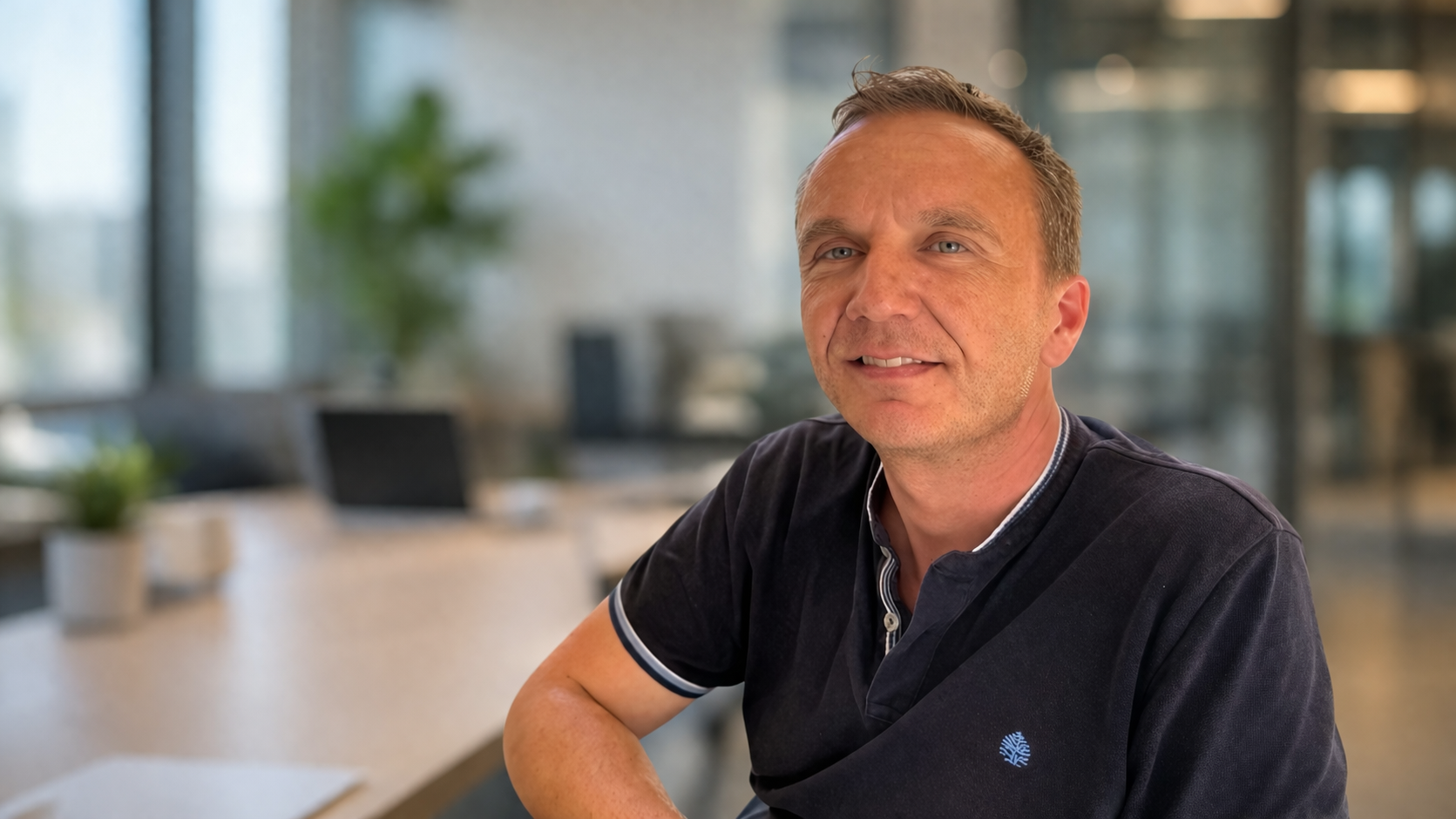
A powerful example comes from Serbia. Diana Dimovska, psychologist at KPZ Požarevac Zabela, speaks about the benefits of using these tools. She recalls guiding a young prisoner through a self-reflection session. One of the tasks during the session was to create a drawing that represented his life. When invited to talk, he was asked to draw something in meanwhile. With no intention or thinking — he chose to draw a sailing boat. As he started to talk, later revealed that, it was a symbol representing his father. Since little, growing up, he was told his father was away sailing, but the heartbreaking reality was that his father was in prison. Now, behind bars himself, the young man realised, through this guided therapy, the painful cycle of absence and loss that had shaped his life. As the programme advanced with the assistance of the professional prison staff he began to confront his loneliness, anger, and the hardships of his childhood, including early involvement in a hooligan group and

incarceration by age fourteen. Now twenty-seven, with the support of his family, engaged professionals, and Diana’s individualised approach, he finally saw a possibility for change and a new beginning after his imminent release.

Diana Dimovska emphasises the need for such flexible, tailored rehabilitation programmes for VEP/O-s. Supported by the joint EU and Council of Europe initiative, the Serbian model combines individual and group sessions, allowing prisoners to confront the deeply personal issues driving their radicalisation, and address them in ways that promote lasting transformation. “In our prison system we have 10 programmes for supporting inmates. They are very structured and address various aspects, ranging from the development of social skills and problem-solving to emotion regulation and similar areas. What distinguishes the rehabilitation programme for VEP/O-s from these programs is precisely its individualised approach within a flexible structure, which allows the programme to be adapted to the individual needs of beneficiaries and particularly encourages change through a combination of individual and group work,” said Dimovska. She explains that based on the initial screening, every prisoner is appointed in a specific rehabilitation programme. 

Albania: Tools for professional empowerment

In Albania, the tools and instruments supported by the joint EU and Council of Europe initiative have transformed the way prison staff work with violent extremist prisoners (VEP/O-s). Since 2018, the introduction of new instruments developed in co-operation with the Council of Europe has enabled local multidisciplinary teams to adopt a professional approach based on individual rehabilitation plans for each prisoner, addressing previous gaps in targeted case management.

Through this co-operation, a new holistic and structured approach has been established, creating a programmatic framework designed to address the criminogenic needs and risks of prisoners. This framework supports prisoners in embarking on a process of personal restoration and rehabilitation while equipping them with the life skills necessary to facilitate their dignified reintegration into society. This has been achieved through a continuous operational system including assessment, planning, and integrated case management, which supports the rehabilitation and reintegration of prisoners while contributing to the reduction of reoffending. To date, 11 strategic documents have been adopted specifically for the management and rehabilitation of violent extremist prisoners, in addition to 15 rehabilitation programme modules developed for the wider prison population.

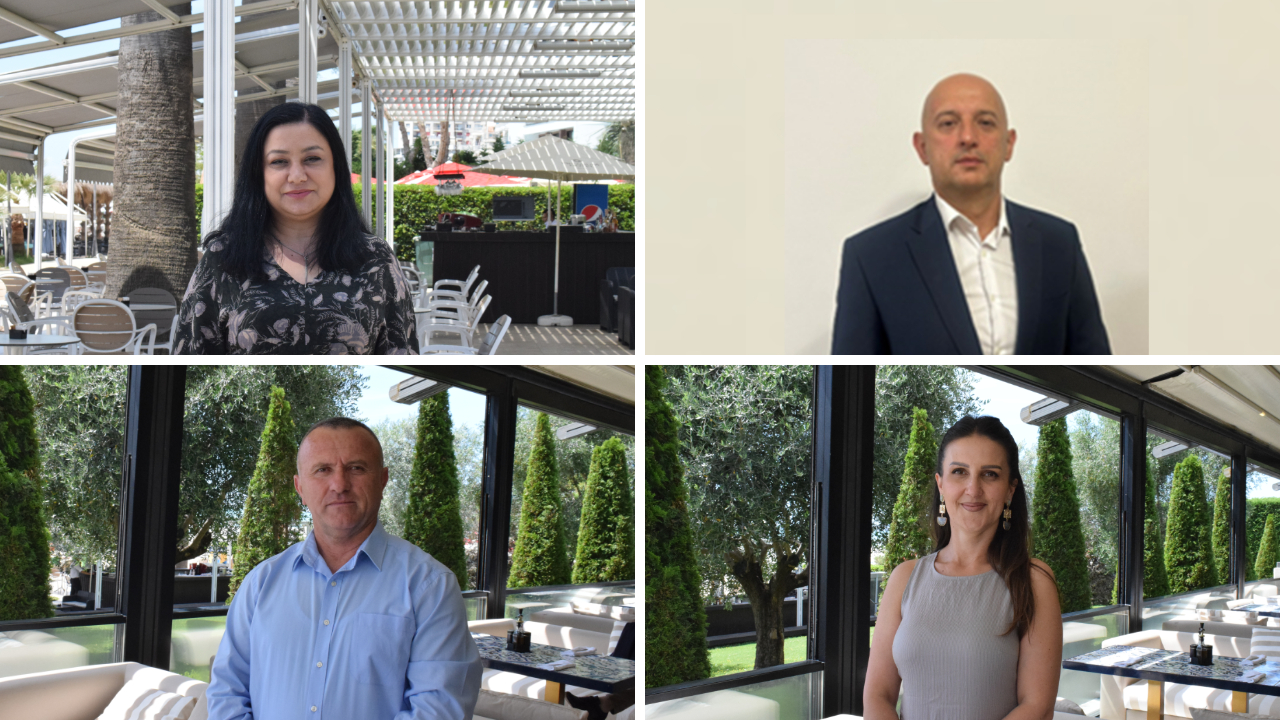
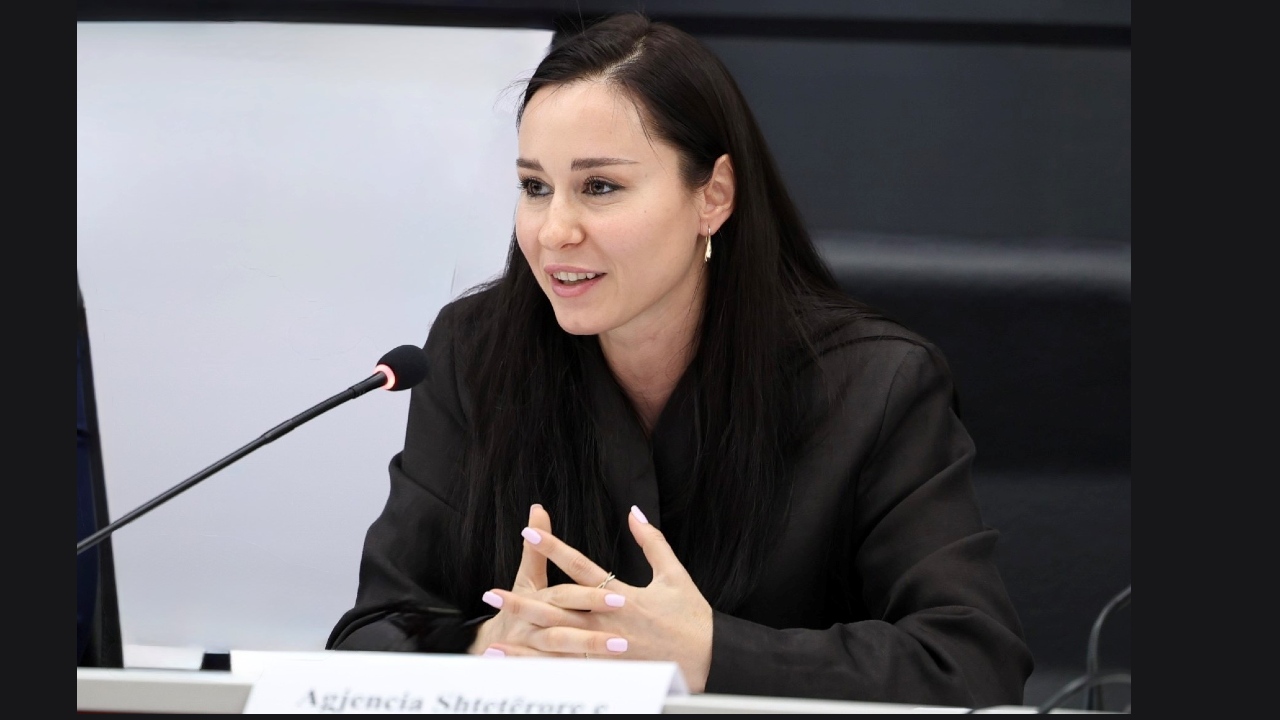
According to Sokol Bruci, Head of the Social Affairs Sector at the Burrel Prison Institution, these instruments enable prison staff to conduct evidence-based assessments rather than relying on subjective perceptions. The process begins with early screening upon admission to the institution and continues with an individual risk assessment and a tailored rehabilitation process. This includes the application of therapeutic interventions, psychoeducational sessions, social skills training, and pre-release support, all of which are carefully documented to monitor progress and measure impact.

Thanks to this approach, prison staff work more closely together and are better prepared to respond to violent extremism. This has helped create a safer prison environment and established a new standard for the management, rehabilitation and reintegration of violent extremist prisoners in Albania.

Bosnia and Herzegovina: Multidisciplinary teams for lasting support

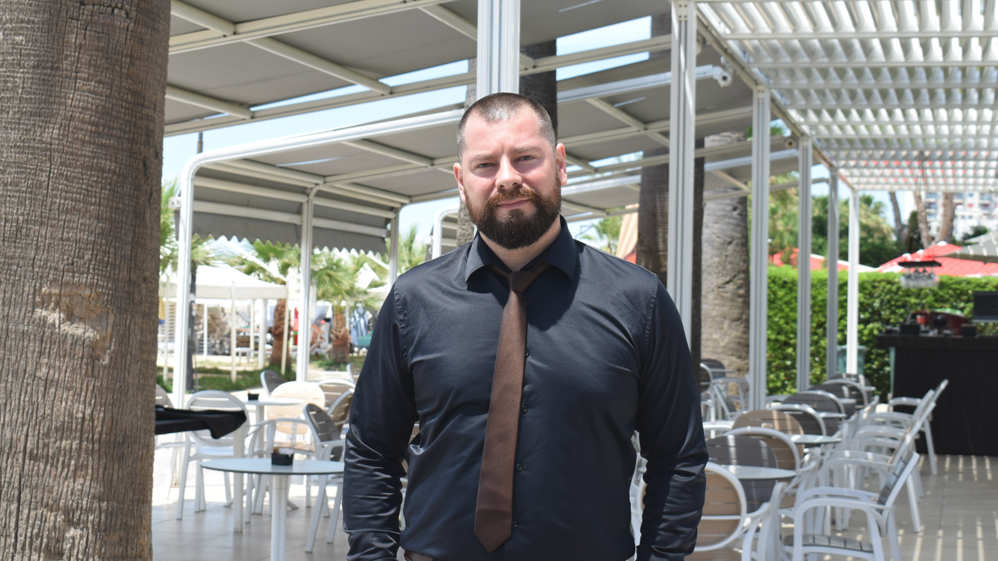
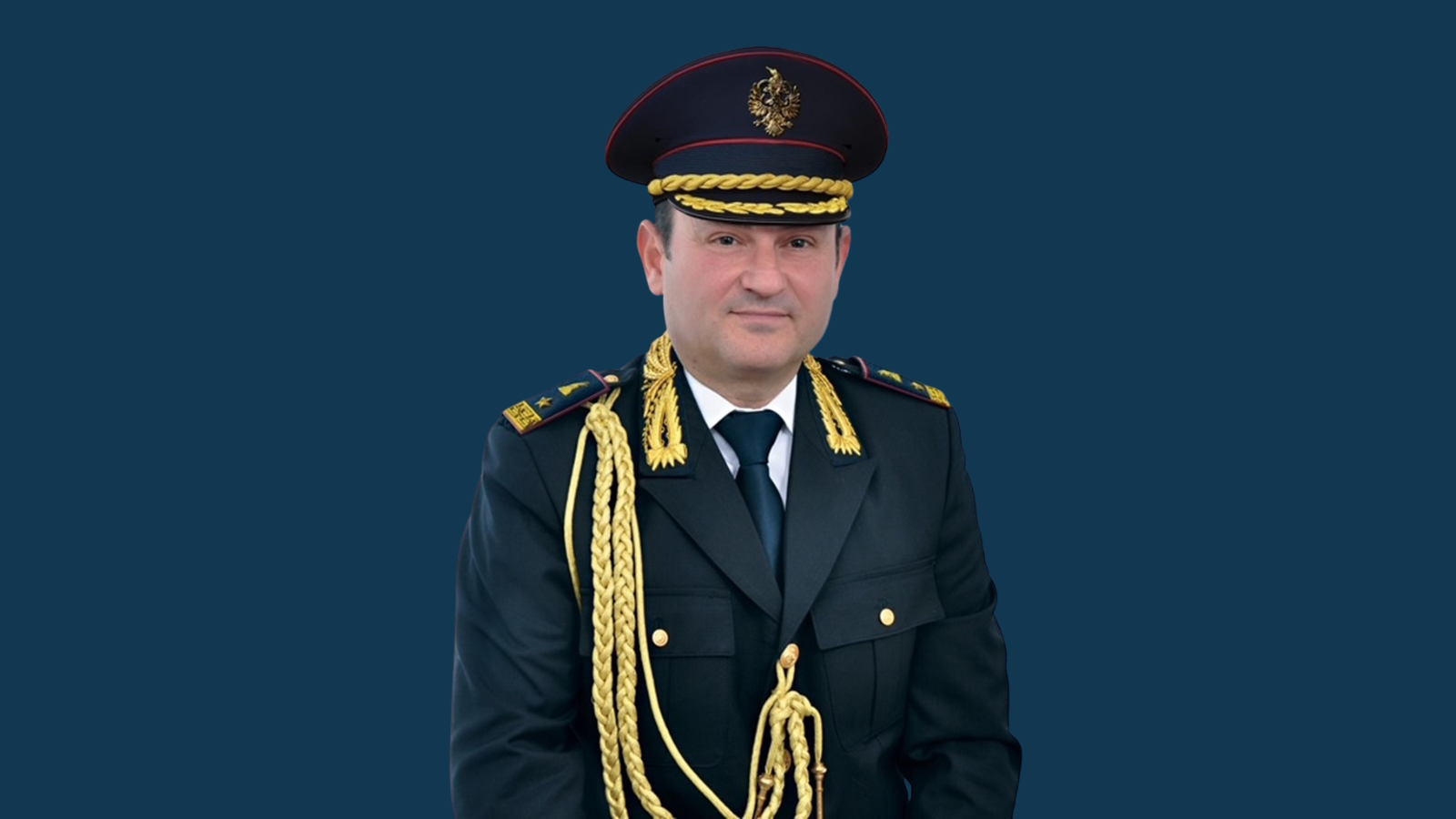
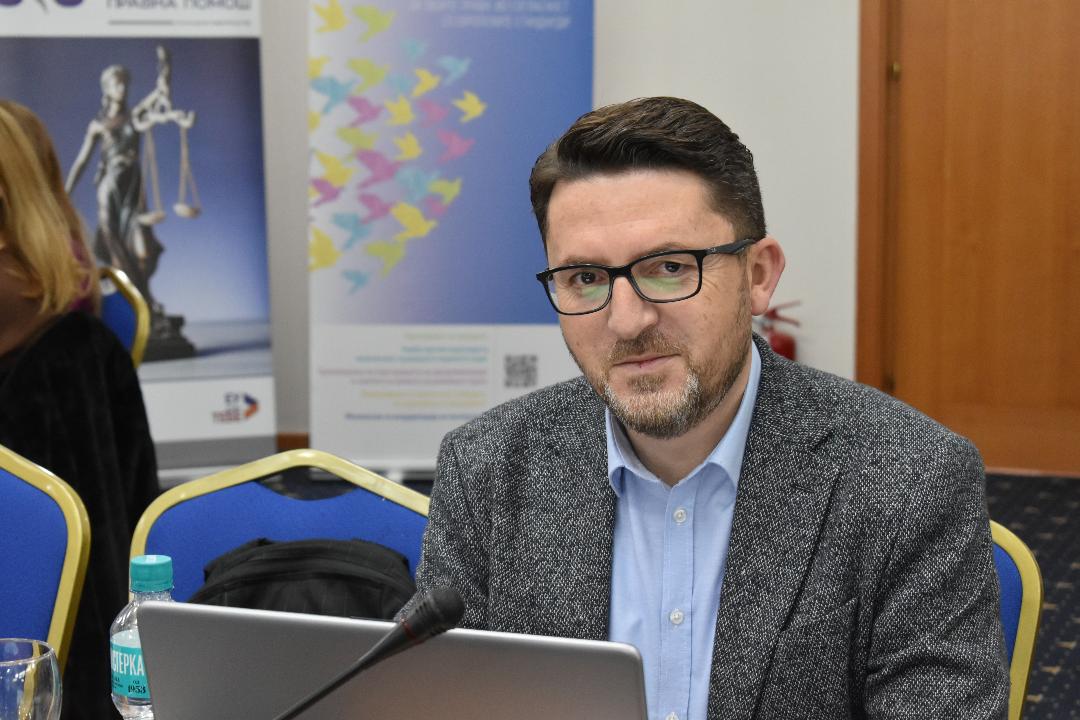
In Bosnia and Herzegovina, establishing multidisciplinary teams has been one of the EU and Council of Europe joint programme’s key successes. Aleksandar Majdov, Head of the Treatment Department within the Detention Facility in Bijeljina, describes how important these teams are in the process of integrating VEP/O-s back in the society after their release. Such teams have been composed of various professionals from employment agencies, educational institutions, the Ministry of Interior, health services, and social centers. Working together, they guide and assist former inmates after release.

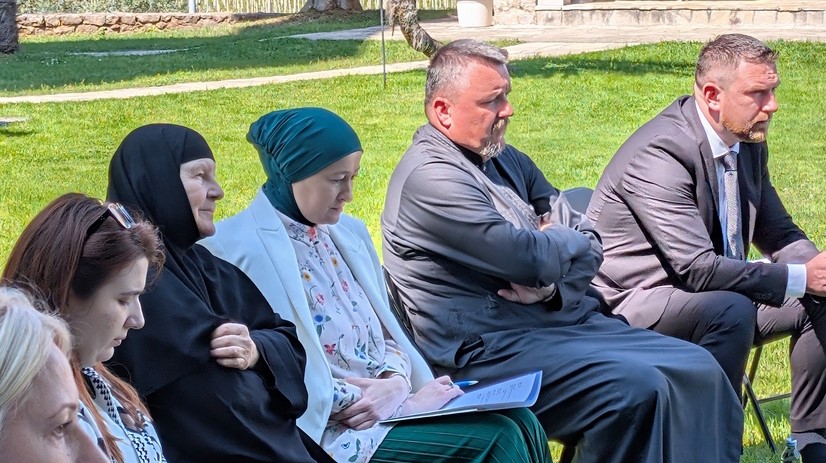
This collaborative effort, embedded in the current Standard Operating Procedures for pre-release, ensures comprehensive support for VEP/O-s and prepares specific programmes tailored to their needs, helping prevent recidivism and fostering positive connections with the wide society,” Majdov says. Such experiences and lessons were shared at regional gatherings in the context of the joint EU and Council of Europe initiative on "Enhancing the co-operation in the Western Balkans in managing violent extremism in prisons and preventing further radicalisation after release", initiative. A particular focus during the recent meeting in Durrës with practitioners from across the Western Balkans, was on how these local multidisciplinary teams are essential for strengthening-social integration and reduced relapse risk. Participants underlined that by using the same tools and methods, multidisciplinary teams have developed more harmonised and effective approaches to case management, increasing institutional safety and improving rehabilitation prospects for prisoners in all the Western Balkans. In Bosnia and Herzegovina and more generally in the region these instruments are considered mandatory tools, marking a significant step forward in building sustainable penitentiary systems.

Kosovo*: New frameworks, new beginnings

For the first time, Kosovo’s correctional system has established a structured, professional and sustainable framework for the assessment, treatment and rehabilitation of violent extremist prisoners.

Prior to this intervention, our institutions lacked standardised methodologies, specialised assessment tools and dedicated programmes to address the specific needs of this category of prisoners.

With the support of the joint EU and Council of Europe programme “Horizontal Facility for the Western Balkans and Türkiye”, specialised risk and needs assessment tools, as well as tailored rehabilitation programmes, have been developed for violent extremist prisoners. In addition to developing these instruments, the project has been invested in strengthening the professional capacities of the staff responsible for their implementation.

Today, these tools and programmes form an integral part of the institutional framework of the Kosovo Correctional Service and are applied in daily practice. They enable more accurate risk assessments, the development of individualised treatment plans, enhanced support for rehabilitation and reintegration, and more effective co-ordination among multidisciplinary teams.

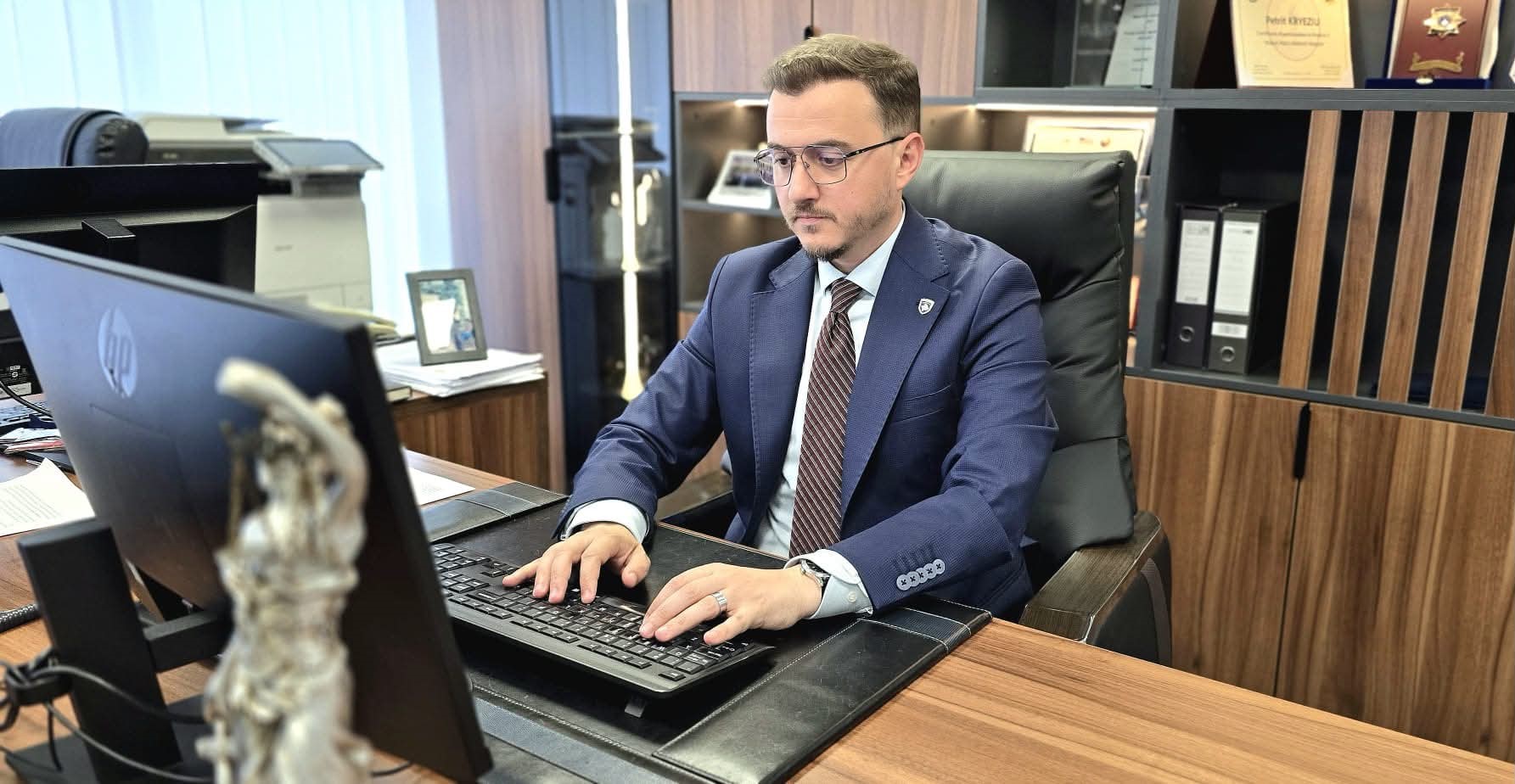
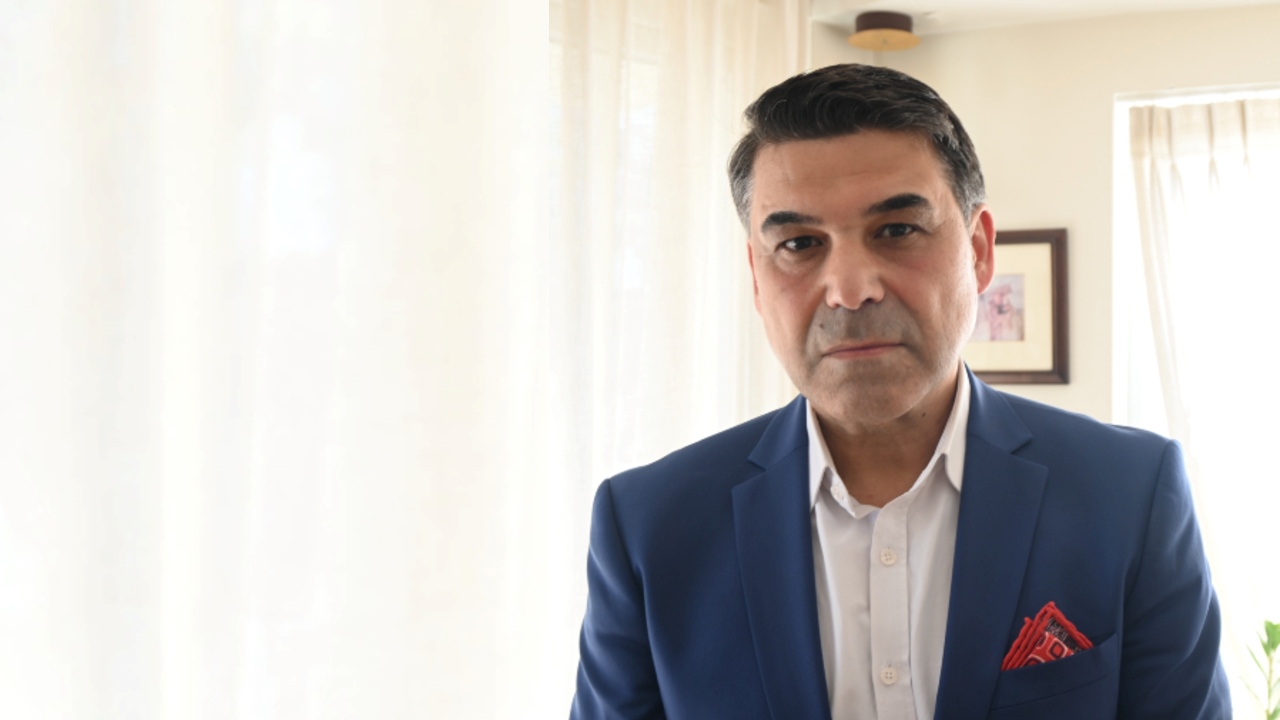
"Initially, managing this category of prisoners was challenging because we lacked standard guidance and specialised tools. With the introduction of the tools and programmes developed with the support of the Council of Europe, correctional institutions began—and continue—to manage violent extremist prisoners in line with international good practices," said Trëndelina Qorraj, Acting Deputy Director General for the Treatment of Prisoners and Juveniles at the Kosovo Correctional Service.

The project's support has also extended beyond the walls of correctional institutions. To strengthen the reintegration process, the Kosovo Correctional Service has formalised its co-operation with the Employment Agency by establishing a mechanism that enables the Agency to engage with prisoners during the pre-release phase. This allows individuals to receive support in accessing vocational training programmes and, subsequently, employment opportunities upon their release. Ultimately, this initiative represents a sustainable model of support, providing solutions that are tailored to the operational realities and specific needs of the beneficiary institution.

Regional Collaboration: Key to Sustainable Rehabilitation and Preventing Radicalisation

The regional component is a cornerstone of the successful reforms in the prison systems of the Western Balkans. Supported by the joint EU and Council of Europe initiativeregular regional meetings allow practitioners to share challenges, experiences, and best practices. From high representatives from public institutions to prison practitioners, they all can learn from each other’s innovations. These include individualised plans, multidisciplinary teams, and new approaches to community reintegration.

Through years of co-operation, the rehabilitation of violent extremist prisoners in the Western Balkans is now built on solid foundations. Standardised instruments, ongoing capacity building, and well-developed policies have given staff the skills and confidence to ensure rehabilitation and reintegration. “A key principle throughout has been co-ownership, ensuring tools are not only technically sound but also used daily,” underlines Predrag Šofranac, Programme Manager at the Council of Europe. According to him sustainability is pivotal and is supported by ongoing partnerships, regular regional exchanges, and institutionalised best practices. This will ensure that the lessons learned, and structures created will continue to evolve in the Western Balkans and effectively tackle violent extremism, inside and outside prison walls.


*This designation is without prejudice to positions on status, and is in line with UNSCR 1244 and the ICJ Opinion on the Kosovo declaration of Independence.
 

This session of the website features inspiring narratives, human stories and success examples, that demonstrate positive change  and improvement in the lives of individuals, local communities, and society as a whole.

Boje iza rešetaka: transformativna snaga umetničke terapije u zavodima u Srbiji

24 August 2026 Serbia

Tokom godina, Uprava za izvršenje krivičnih sankcija u Republici Srbiji prepoznala je značajnu ulogu koju kreativne radionice i terapija slikanjem imaju u rehabilitaciji zatvorenika. Podstičući kreativnost i samoizražavanje, ovi programi pružaju zatvorenicima priliku da obrade svoja osećanja i...

Read More

Breaking the cycle: Transforming violent extremist prisoners in the Western Balkans

2 August 2026 Western Balkans

Violent Extremist Prisoners and Offenders (VEP/O-s) are individuals whose crimes were shaped not only by personal circumstance but also by radical and dangerous ideologies. Managing and rehabilitating these prisoners presents an extraordinary challenge for authorities in the Western Balkans. In...

Read More

Kako poverenje menja tretmanski rad u zatvoru

9. jul 2026. Novi Pazar, Srbija

U Okružnom zatvoru u Novom Pazaru, rad sa osuđenim licima ne počinje programima, već razumevanjem. Za realizatorku tretmana Ildu Imamović, suština posla je u tome da se vidi čovek iza ponašanja. „Moj posao nije samo sprovođenje programa tretmana, već i pokušaj da se razume ono što stoji iza...

Read More

Mali koraci koji vode ka promenama iza zatvorskih zidova

4. jun 2026. Subotica, Srbija

U Okružnom zatvoru u Subotici, promene se ne dešavaju preko noći. One počinju tiho, često u trenucima koji spolja mogu delovati neznatno- u napravljenoj pauzi pre reagovanja, u drugačijem izboru u teškoj situaciji, u spremnosti da se progovori. Za Dajanu Perčić, upravo ti trenuci čine suštinu...

Read More

When equality becomes real for everyone

20 May 2026 Podgorica

For many people in Montenegro, discrimination is not always loud or visible. It can happen quietly, in a job interview that never leads anywhere, in access to services, or in everyday interactions that leave someone feeling excluded or stigmatised. Often, those affected are unsure whether what...

Read More

Modernising Property Rights in Albania: Inside the Transformation of the State Cadaster Agency

6 May 2026 Tirana / Albania

How would you describe the ongoing reform undertaken at the State Cadastre Agency in Albania? At the State Cadastre Agency, we have initiated a structural and transformative reform aimed at the modernisation of property administration in Albania. For the first time, we have not focused only on...

Read More

From Syria to Reintegration: Supporting Violent Extremist Offenders in the Probation System in Albania

4 May 2026 Tirana / Albania

In her dark clothing, Fatime* sits quietly, seemingly uninterested in any conversation, waits impatiently to meet her Probation Officer in Tirana. Every three months, she is required to report and discuss her progress with the probation authorities. She is one of the nine women who returned in...

Read More

Love behind locked doors: Supporting children and families in North Macedonia’s prisons

21 April 2026 North Macedonia

The bustling atmosphere in the large visitors’ area at Idrizovo Prison is suddenly broken by the clattering of locks, followed by the mournful sound of the heavy iron door leading to the space where families come together. It is a weekend day and visiting hours have just begun. Prison security...

Read More

Interview with Prof. Dr. Ilirjan Mandro - Rector of the Security Academy in Tirana

Equality, Non-Discrimination and Diversity in Police Training in Albania

21 April 2026 Tirana / Albania

Can you briefly introduce the Security Academy, including its mandate, structure, and the number of cadets and officers trained annually? As Rector, what major reforms and priorities are you focusing on? The Security Academy is the sole higher education institution in the field of public security...

Read More

Unlocking Justice: Free Legal Aid Brings Hope for Equal Access to Justice for All in North Macedonia

20 April 2026 North Macedonia

Equal access to justice is a cornerstone of a fair and inclusive society, as enshrined in the European Convention on Human Rights (European Convention) guaranteeing access to legal assistance for anyone who cannot afford it. In North Macedonia, the European Union and the Council of Europe have...

Read More

Profit or people? The battle against modern-day slavery in North Macedonia

9 April 2026

Human trafficking for labour exploitation is a serious and ever-growing global concern that affects people of all ages. At its core, it means that people are forced or deceived into working under abusive conditions, which infringe upon their human dignity. The victims are severely overworked,...

Read More

Standing up for academic integrity in a changing digital world

7 April 2026 Podgorica

What does academic integrity mean in a time when artificial intelligence can write essays and information is only a click away? For Professor Božidar Popović of the University of Montenegro, integrity remains the foundation of trust in education, regardless of how technology evolves. As one of...

Read More

Turning dialogue into everyday action in Bosnia and Herzegovina

31 March 2026 Bosnia and Herzegovina

Across Bosnia and Herzegovina, people working in religious communities, education, and civil society often come from different backgrounds, traditions, and life paths. Yet when they speak about the societies they want to build, their words reflect shared values: responsibility, dignity, and the...

Read More

When inclusion becomes part of everyday university life

27 March 2026 Podgorica

When a student feels they truly belong, learning becomes more than lectures and exams; it becomes an opportunity to grow, contribute and thrive. At the University of Donja Gorica (UDG) in Montenegro, this idea is shaping how students with disabilities experience higher education, turning...

Read More

Understanding hate, building stronger foundations for our communities

24 March 2026 Podgorica

After months of online attacks, Aleksandra* from Montenegro started self-censorship. She withdrew from advocating for her community and even her own rights. Every post, every comment, every debate had become a battlefield, and the cost of speaking out had grown unbearable. This is one of the...

Read More

Mladi upozoravaju: ekološki problemi najviše pogađaju ranjive

5. januar 2026. Beograd

„Najvažnije saznanje za mene bilo je to da problemi životne sredine nisu „neutralni“, već da mnogo jače pogađaju određene grupe ljudi.“ Ovo zapažanje, koje je podelio Vasilije Keranović iz Panela mladih savetnika Zaštitnika građana nakon rada sa učenicima na istraživanju Saveta Evrope, oslikava...

Read More

Kako naučiti da podigneš glas i suprotstaviš se nepravdi

23. decembar 2025. Beograd

Prvi put kada je Emilija Marinković stala u odbranu svojih prava, bila je još u vrtiću. Naoružana samo jednom lekcijom o dečijim pravima – pravom na igru – ozbiljno je saopštila roditeljima da domaći zadatak može da sačeka, ali njena prava ne. Danas se tom sećanju smeje, ali ono je i dalje...

Read More

Unutar borbe za rodno osetljivo izveštavanje u Srbiji

Belgrade

„Ne možemo reći da smo blizu tačke u kojoj mediji promovišu rodnu ravnopravnost, izbegavaju stereotipe i osnažuju žene i marginalizovane grupe.“ Ovakvom ocenom novinarka Aleksandra Ničić postavlja ton razgovoru koji prevazilazi pojedinačne redakcijske navike i zadire u dublje strukture koje...

Read More

Саветници Уставног и Врховног суда доносе искуство из Стразбура у правосуђе Србије

17. децембар 2025. Београд

У циљу унапређивања примене Европске конвенције о људским правима на домаћем нивоу, једна од активности пројекта „Унапређивање заштите људских права у Србији“ је упућивање правника из Србије на рад у Европски суд за људска права (ЕСЉП). За Милана Бајића и Николу Ђекића, правне саветнике у...

Read More

U prvim redovima zaštite slobode i bezbednosti novinara na Zapadnom Balkanu

15 December 2025

Dragan Sekulovski, izvršni direktor Udruženja novinara Severne Makedonije, jedan je od vodećih glasova kada je reč o bezbednosti novinara na Zapadnom Balkanu. Kroz svoju ulogu u Odeljenju Saveta Evrope za saradnju u oblasti slobode izražavanja, naročito u okviru zajedničkog programa Evropske...

Read More

Side by side: A mother and daughter’s digital journey

1 December 2025 Aydin, Türkiye

In a lower secondary school in Kuşadası, a quiet classroom filled with coloured papers and soft conversation marked a meaningful moment for a mother and her young daughter. They were taking part in an activity under the ‘Pilot Project on Digital Citizenship Education in Türkiye’, which supports...

Read More

Litigating for women’s rights: Strengthening access to justice in Türkiye

26 November 2025 Ankara

For Atty. Dr. Tuğçe Duygu Köksal, litigation has always been more than a legal practice. As a lawyer and academic dedicated to women’s rights, she sees it as a way to create systemic change and strengthen protection for women in Türkiye. Through the trainings on strategic litigation organised...

Read More

Bosnian students’ glimmers through 'Living books'

6 October 2025

The most powerful lessons don’t always come from textbooks, sometimes they come from stepping into someone else’s life. Across Bosnia and Herzegovina, 437 students from 17 primary and secondary schools discovered a different kind of library- one where books breathe, speak, and share their...

Read More

Turning pages of empathy: stories of living books open hearts of young people to diversity in Bosnia and Herzegovina

1 October 2025

The “Living Library” is no ordinary bookshelf. Instead of printed pages, students meet real people- “Books” who share their life experiences, challenge stereotypes, and invite dialogue. In classrooms across Bosnia and Herzegovina, five activists representing different minority groups became these...

Read More

Škola u kojoj deca uče da budu lideri i liderke

19. septembar 2025. Turija, Srbija

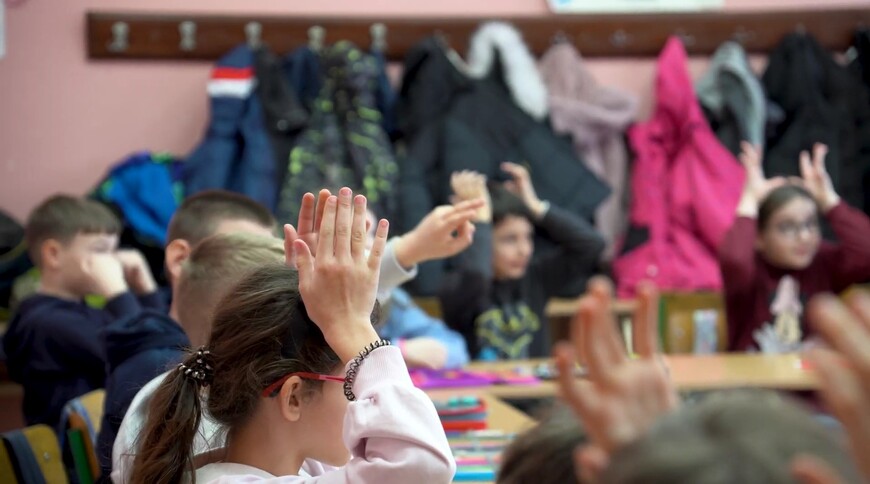
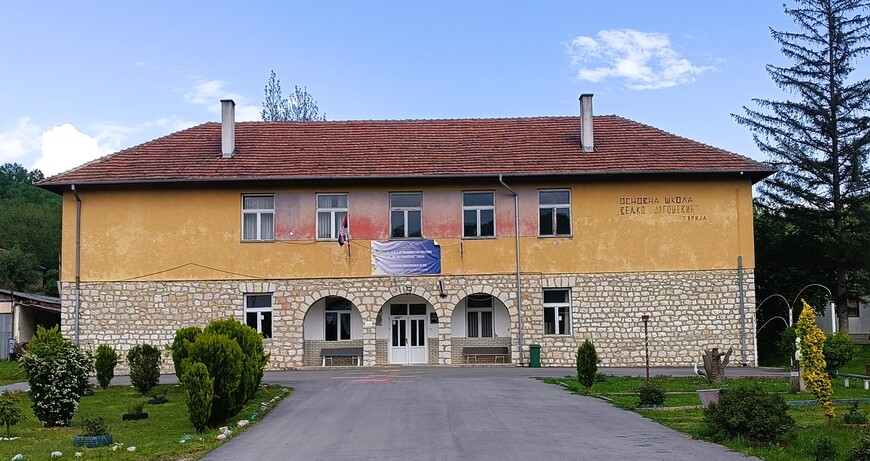
U mirnom selu Turija, blizu Kučeva, osnovna škola „Veljko Dugošević“ odavno nije samo mesto za učenje. Iz učionica, pored školskog zvona, čuju se glasovi učenika i učenica koji razmenjuju ideje i zajedno donose odluke. Demokratija se ovde ne uči samo iz knjiga već se živi svakog dana. Vremenom,...

Read More

Police cadets from Bosnia and Herzegovina are redefining the badge

2 September 2025 Sarajevo

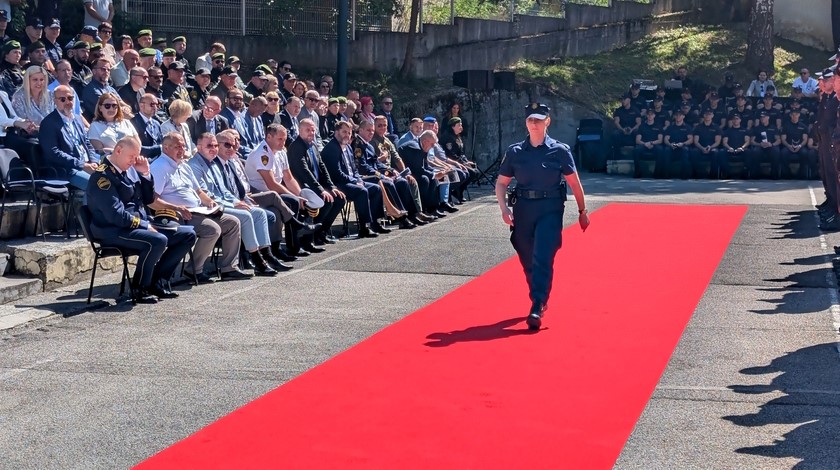
In the training yards and classrooms of the Police Academy of the Federal Ministry of Interior in Bosnia and Herzegovina, a quiet revolution has been unfolding. Here, future officers are learning that the badge they will soon wear is more than a symbol of authority - it is a pledge to protect the...

Read More

Mala škola velikog srca: deca u Kraljevu pokazuju kako inkluzija može da bude način života

1. septembar 2025. Kraljevo, Srbija

Kada je dvanaestogodišnja Maša otvorila vrata svoje kuće u Adranima kod Kraljeva, nije u potpunosti znala šta da očekuje. U goste joj je dolazila vršnjakinja iz Slovenije, u okviru đačke razmene. U početku su obe bile stidljive, pažljivo posmatrajući jedna drugu ali su vrlo brzo pronašle...

Read More

A strong voice from Albania breaking disability barriers

25 August 2025 Albania

Suela Lala, a prominent advocate for persons with disabilities in Albania, has spent over 15 years combating discrimination and promoting equality, focusing on accessibility, inclusion, and the protection of fundamental rights. She holds the position of the Executive Director of the “Së Bashku”...

Read More

Preventing and Combating Child Trafficking in North Macedonia: Stories of Resilience and Collaboration

22 August 2025 North Macedonia

When Jana (name changed for protection) arrived at SOS Children’s Village foster home, she carried only a small bag, and an invisible weight of fear, trauma, and mistrust. At just 15, she had endured months of exploitation by traffickers who had promised her “a better future.” Instead, she found...

Read More

Zid protkan rečima kao glas za toleranciju

12. avgust 2025. Beograd

Kada su grafički dizajneri Kruna Jevtić i Luka Prstojević seli da osmisle svoj najnoviji projekat, pre nego što su ga predstavili Savetu Evrope koji ga je naručio, znali su da to mora biti više od umetnosti. Znali su da njihov glas mora biti jasan, hrabar i prodoran kako bi preneo poruke...

Read More

Turning theory into practice during an unforgettable week in Trebinje

27 July 2025 Trebinje

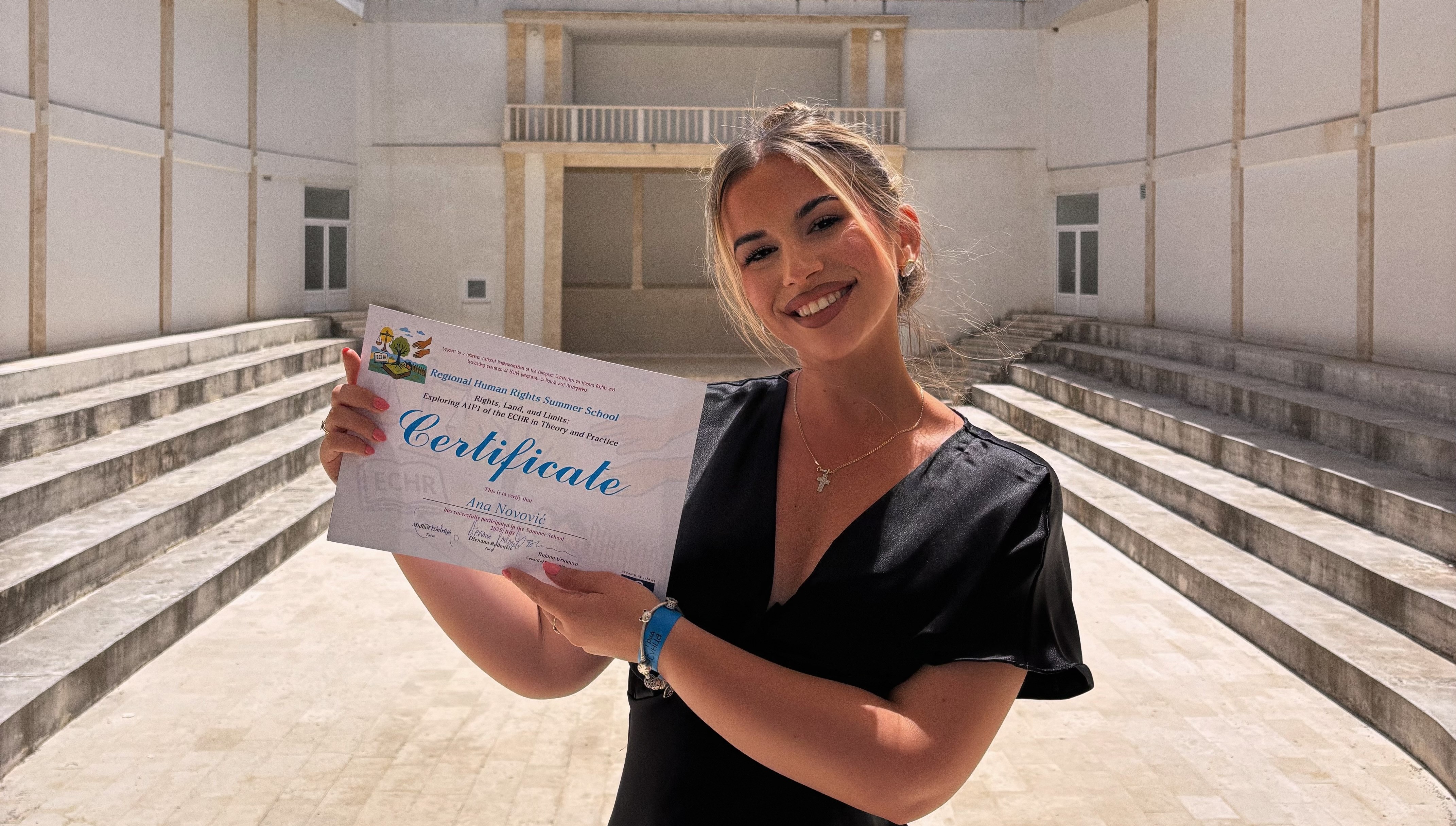
For many law students, understanding human rights begins in a classroom. But for a young participant from Montenegro, Ana Novović, the Regional School of Human Rights in Trebinje in July offered something much deeper: a chance to connect with others who, despite different backgrounds, share the...

Read More

Mladi i donosioci odluka protiv govora mržnje kroz dijalog i umetnost

17. jun 2025. Beograd

U snažnom izrazu solidarnosti protiv mržnje i diskriminacije, predstavnici mladih i visoki zvaničnici/e okupili su se u kulturnom centru Silosi u Beogradu kako bi obeležili Međunarodni dan borbe protiv govora mržnje. Događaj je obuhvatio panel diskusiju i otkrivanje velikog murala, sa ciljem...

Read More

A school where democracy grows: Prijedor students lead the way in building dialogue and trust

2 June 2025 Prijedor, Bosnia and Herzegovina

With the opening of the first Resource Centre for Democratic School Culture in Republika Srpska, the Catering and Economics School in Prijedor is showing how democratic values can be learned—and lived—through collaboration between students, teachers, and the local community.   In the heart of...

Read More

Ujedinjeni protiv diskriminacije u Srbiji: Poverenik za zaštitu ravnopravnosti i Savet Evrope pokreću promene

26. maj 2025. Beograd

Od učionica pa sve do novinarskih redakcija, Poverenik za zaštitu ravnopravnosti i Savet Evrope u Srbiji zajedničkim snagama menjaju stavove i podstiču inkluziju. Poverenica za zaštitu ravnopravnosti u Srbiji, Brankica Janković, govori o ključnim rezultatima dugogodišnjih, zajedničkih napora u...

Read More

From Losing Hope to Finding Legal Certainty: A Journey to Claim Your Property Rights in Albania

16 May 2025 Albania

The small apartment on the second floor of a former communist-era building, located in a main road not far from the centre of the capital Tirana is always busy. Under the watchful eyes of concerned citizens, the officials of Tirana Legal Aid Society (TLAS) explain procedures in a simplified...

Read More

Silencing truth: Confronting SLAPPs and defending press freedom in North Macedonia

5 May 2025 North Macedonia

Marking World Press Freedom Day on 3 May, free voices from North Macedonia are sounding the alarm about a growing threat to democracy: Strategic Lawsuits Against Public Participation (SLAPPs). These lawsuits, often disguised as defamation or civil claims, are increasingly used to intimidate...

Read More

Advancing anti-corruption reforms in Albania: from education to concrete transformations

04 April 2025 Albania

“...Since my studies, I have had a particular interest in engaging in the field of the fight against corruption. I see it as a major challenge for our country and, above all, as an urgent issue, especially in the context of Albania’s integration path into the European Union. Personally, I aim to...

Read More

From classrooms to communities, schools in Bosnia and Herzegovina embrace change

1 April 2025

In the heart of Bosnia and Herzegovina, a transformative approach to education is reshaping schools into hubs of democratic culture, critical thinking, and community engagement. At the forefront of this change are three schools - each a newly established resource centre for democratic school...

Read More

Finding safety and hope: One year of Bosnia and Herzegovina’s first LGBTI shelter

27 March 2025 Sarajevo

"My stay at the shelter during the summer of 2024 truly changed my life. At the beginning of that year, I lost my independence. I was in an environment that did not support me, and looking back now, I realise I was searching for a way out. At a panel discussion, I heard an anonymous letter from a...
Read More

From darkness to light: A Personal journey

27 March 2025 Sarajevo

My stay in the safe house during the summer of 2024 truly changed my life. At the beginning of the year, I lost my independence. I was in an environment that did not support me, and now, looking back, I realise that I was searching for a way out. At a panel discussion, I heard an anonymous letter...
Read More

Restoring hope and justice: A lawyer’s fight for women’s rights after the earthquakes in Türkiye

25 March 2025

When the devastating earthquakes struck Türkiye in 2023, the destruction went far beyond collapsed buildings. It shattered lives, leaving many women in vulnerable situations, displaced, and trapped in difficult circumstances. For Fatma Serap Balakan, who is a lawyer from Hatay, providing legal...

Read More

Specijalizovanom obukom do bolje pravne podrške žrtvama trgovine ljudima

27. februar 2025. Beograd

Ana Gemović Matić, advokatica iz Srbije, jedna je od dvadeset advokata/ica koji su uspešno završili HELP kurs Saveta Evrope o borbi protiv trgovine ljudima. Tokom više od dva meseca intenzivne obuke, Ana je stekla dublje razumevanje, ali i praktične veštine za unapređenje pravne podrške žrtvama...

Read More

Kako praksa u oblasti ljudskih prava menja perspektivu mladih pravnika/ca: Iskustvo Sofije Lekić

25 February 2025 Belgrade

Za mnoge studente i studentkinje prava, razumevanje složenosti zaštite ljudskih prava ostaje na teorijskom nivou. Međutim, za Sofiju Lekić, 22-godišnju studentkinju prava iz Beograda, prilika da se direktno upozna sa stvarnim slučajevima pred Evropskim sudom za ljudska prava predstavljala je...

Read More

Teachers in Bosnia and Herzegovina leading change for inclusive and democratic classrooms

13 February 2025 Brčko

Teachers from across Bosnia and Herzegovina are shaping more inclusive and democratic future through innovative training on the Reference Framework of the Competences for Democratic Culture (RFCDC). From 11-13 February, teachers from primary and secondary schools in Brčko, Goražde, Orašje,...

Read More

Sofija Blagojević: Mlada herojka koja zagovara inkluziju u školama u Srbiji

9. januar 2025. Beograd

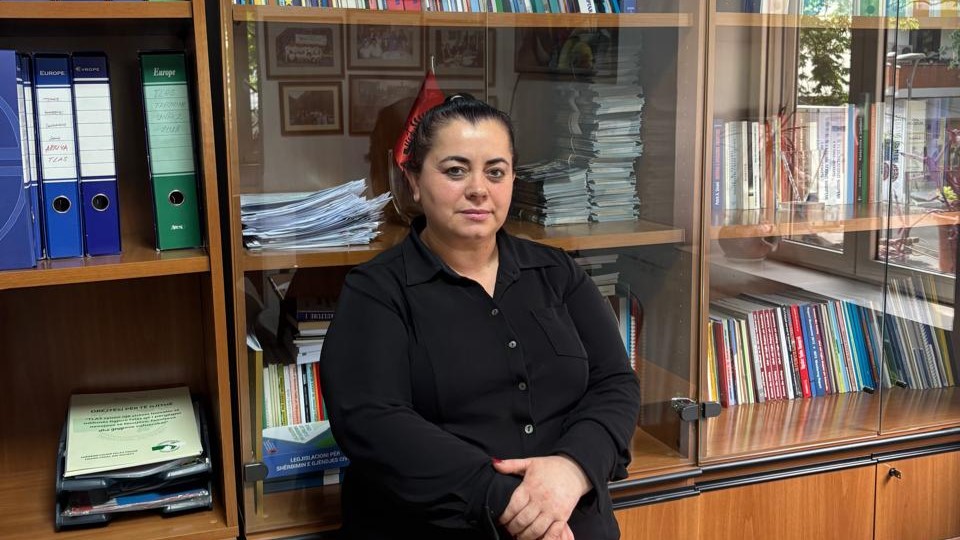
Sofija Blagojević je sa samo 17 godina postala prava herojka u očima nastavnika/ca, i drugog, nenastavnog kadra. Njena posvećenost inkluziji i borbi protiv diskriminacije nije samo rezultirala tim priznanjem koje je dobila, već i inspirisala njene vršnjake/inje. „Bila sam počastvovana što se moje...
Read More

Montenegro’s youth drive change with award-winning inclusive tech solutions

23 December 2024 Podgorica

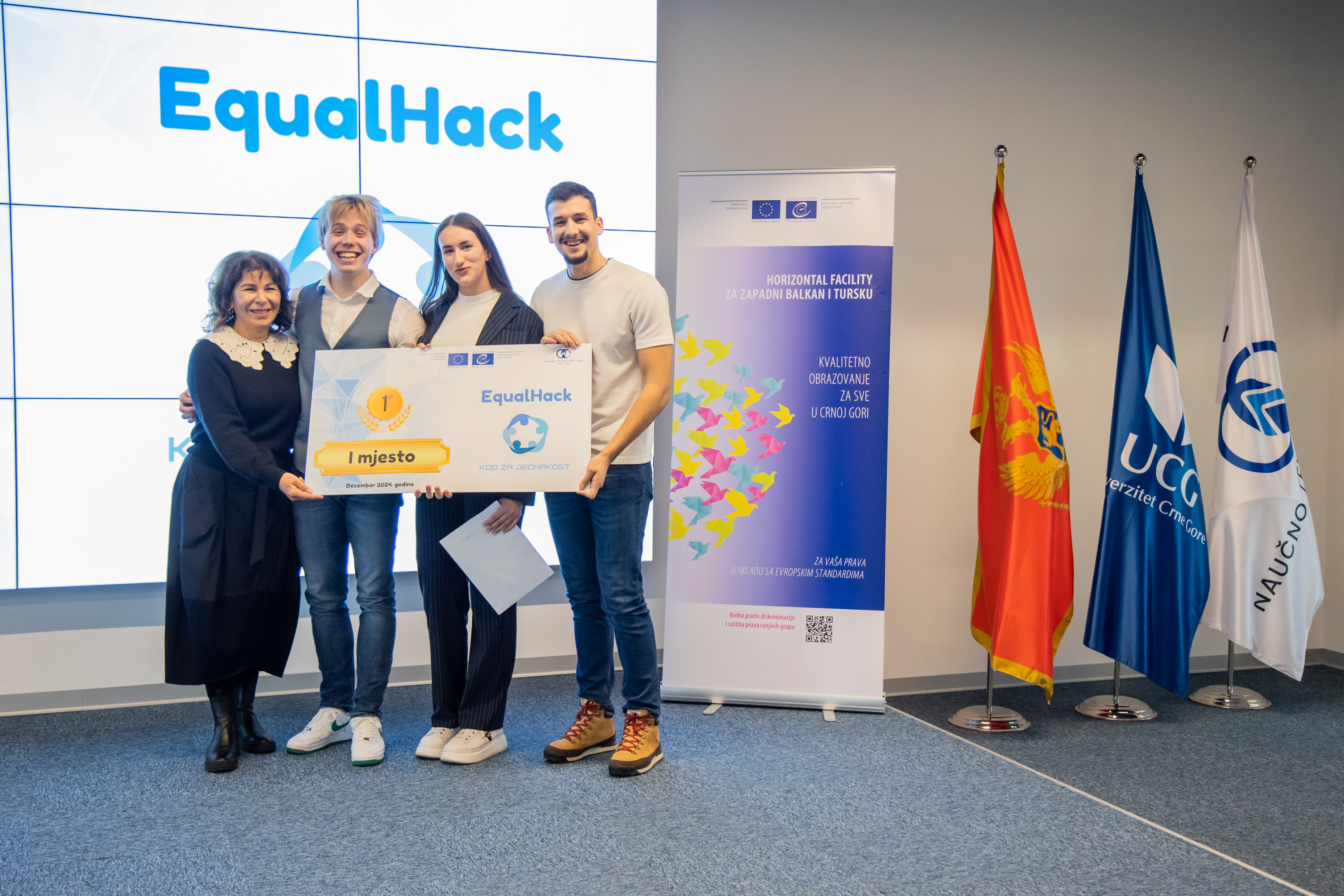
In a bid to make schools more inclusive and understanding, high school students from across Montenegro gathered for the "Equal Hack: Code for Equality" hackathon, developing tech-driven solutions to promote equality and respect. Maša Radulović, whose team from Nikšić clinched first place, aimed...

Read More

Mladi pokreću promene: 75+ koraka ka jednakim mogućnostima

17. novembar 2024. Sjenica, Srbija

Više od 75 mladih iz manjinskih zajednica okupilo se u Sjenici na trodnevnom omladinskom forumu „75+ koraka ka jednakim mogućnostima“, pretvarajući ovaj grad u epicentar inkluzije i solidarnosti. Cilj foruma bio je osnaživanje mladih za borbu protiv diskriminacije i promovisanje različitosti kao...

Read More

Creating a society of tolerance and inclusion through sports: "Football against discrimination and hate speech"

16-17 November Sarajevo

Fair play starts on the pitch and lasts a lifetime. This is the overall conclusion of the tournament within the project of the Canton Sarajevo Football Association "Football against discrimination and hate speech" that took place at the Sport Centre "Sobol" in Hotonj, which was held on November...

Read More

Psychological aid is changing lives of marginalised groups in Bosnia Herzegovina under the joint EU and Council of Europe programme "Horizontal Facility for the Western Balkans and Türkiye"

Free psychological support: A key to living authentically

10 October Bosnia and Herzegovina

"When I first consulted a psychologist, I felt lost. I couldn't openly talk about my feelings with anyone around me. I felt like I was suffocating in my own thoughts. Free psychological support was my only way out. Through conversations with a psychologist, I began to understand my feelings and...

Read More

Обликовање прича глином: Креативном радионицом за новинаре/ке обележен Европски дан језика

4. октобар 2024. Кикинда, Србија

У несвакидашњој комбинацији новинарства и уметности, новинари/ке и уредници/е у Србији су заменили тастатуре глином како би обликовали не само уметничка дела, већ и приче о инклузији на овој јединственој радионици. Радоница која је одржана у Центру за ликовну и примењену уметност Терра у Кикинди...

Read More

Beneficiary
Albania
Bosnia and Herzegovina
Kosovo*
Montenegro
North Macedonia
Regional
Serbia
Türkiye
Topic
Anti-Discrimination
Fighting Corruption
Freedom of Expression
Justice
Reset Filter


Co-operation with 
Young European Ambassadors

 БУДИТЕ У ТОКУ СА НАЈНОВИЈИМ ВЕСТИМА

Пријавите се за наш билтен