Back Small steps shaping change behind prison walls

Subotica, Serbia 4 June 2026
  • Diminuer la taille du texte
  • Augmenter la taille du texte
  • Imprimer la page
  • Imprimer en PDF
Small steps shaping change behind prison walls

In the District Prison in Subotica, change does not come overnight. It begins quietly, often in moments that might seem small to an outsider- a pause before reacting, a different choice made in a difficult situation, a willingness to speak up.

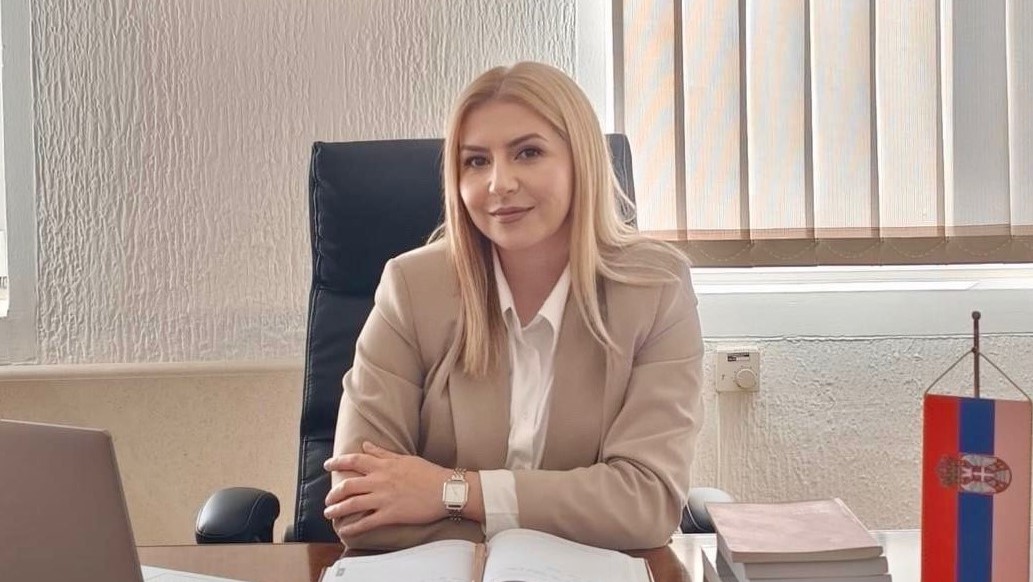
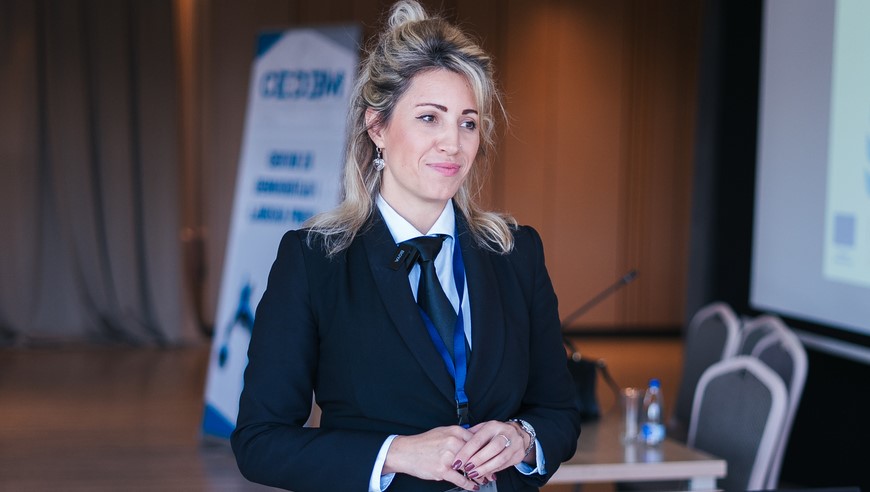
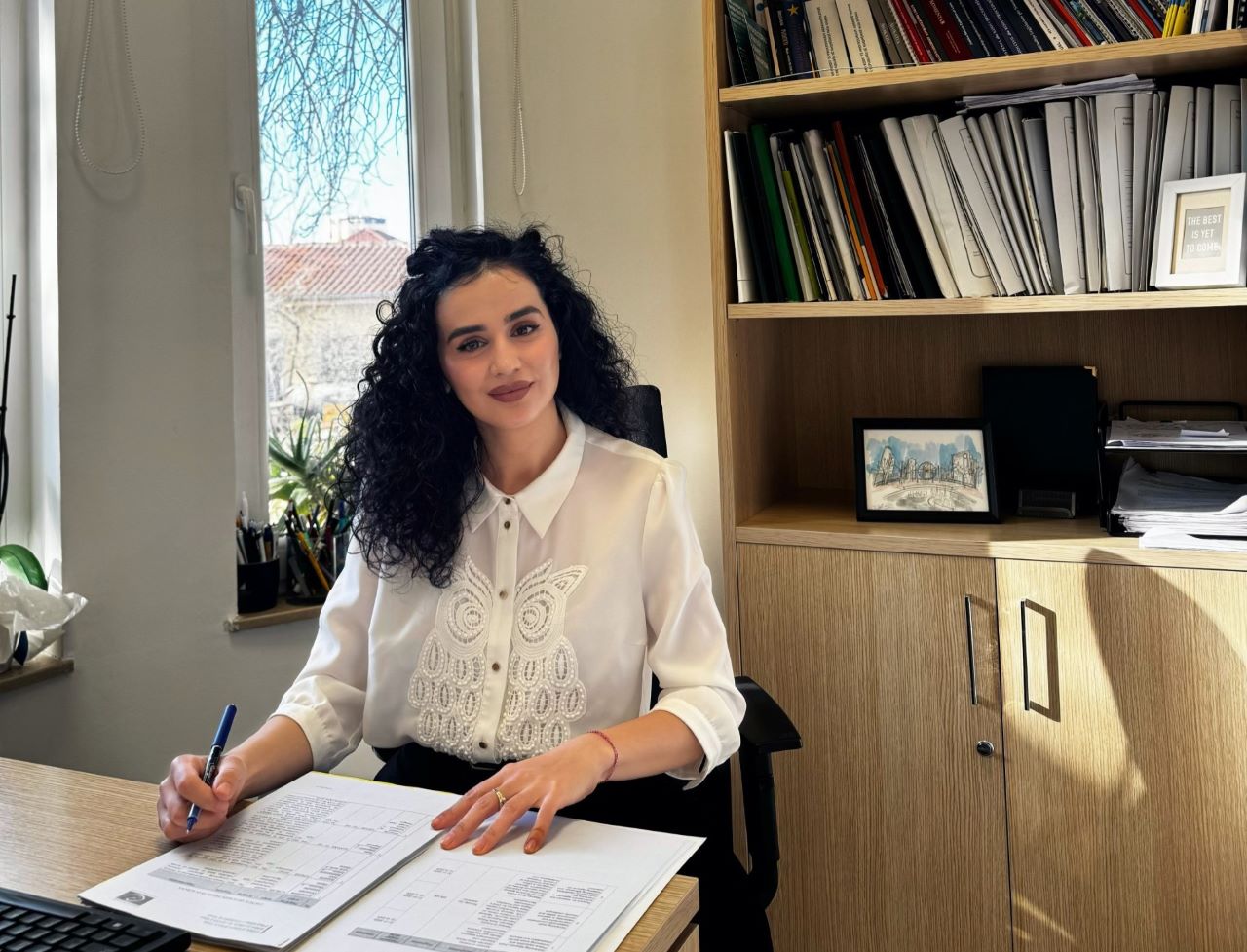
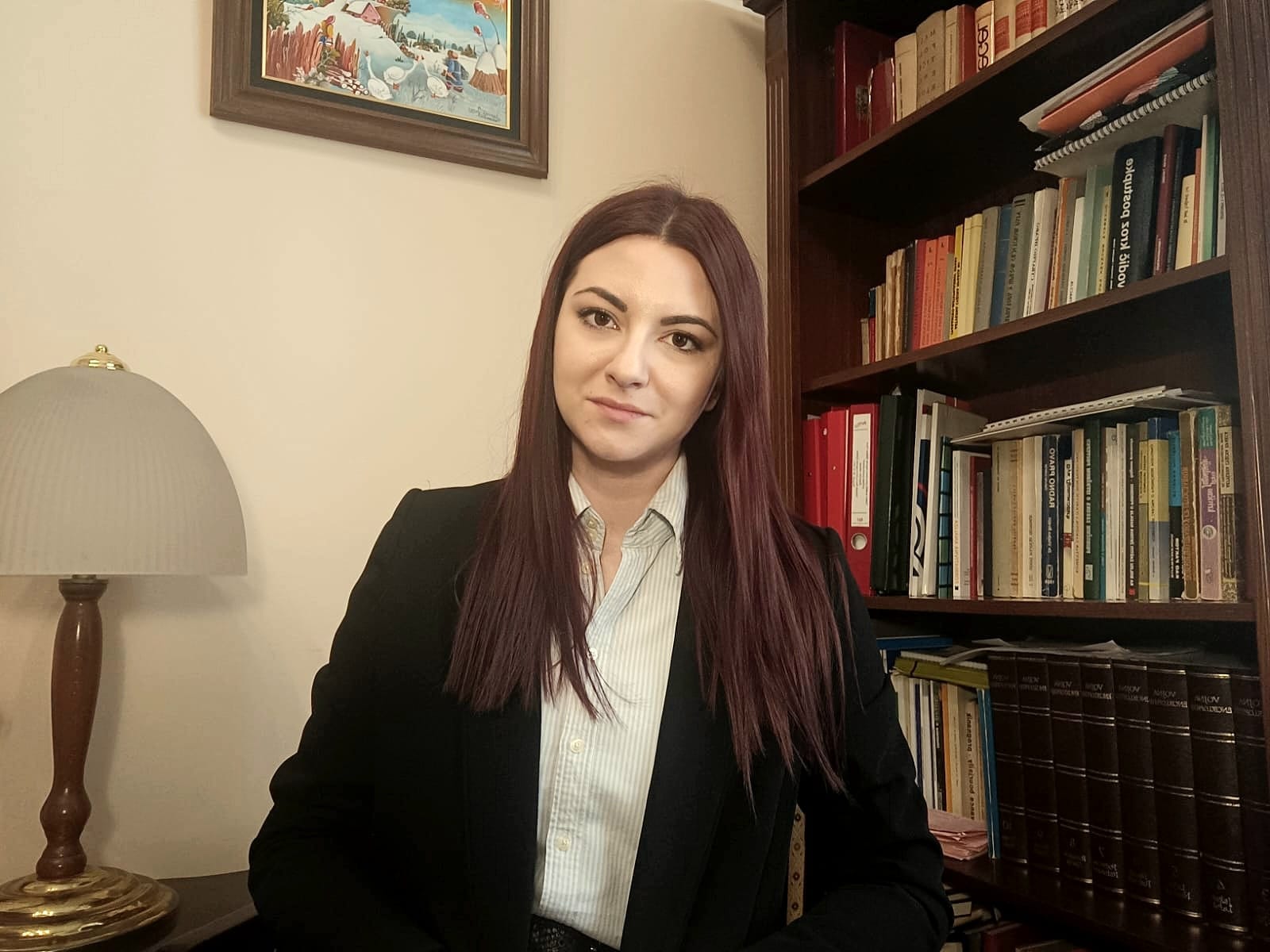
For Dajana Perčić, those moments are at the heart of her work as a treatment officer. “As a treatment officer in the District Prison in Subotica, my job involves an initial assessment of the condition, needs and capacities of convicted persons, based on which an individual programme is developed for each person, as well as implementing that programme throughout the entire duration of the sentence,” she explains.

Her role spans far beyond routine tasks. It includes organising work opportunities, training sessions, educational programmes, cultural activities, individual counselling and structured group psychological programmes. Progress is continuously monitored and supported, while preparation for life after release is an integral part of the process. “My job also involves encouraging and mediating support for the convicted person from their family, social environment and relevant institutions in the post-penal period,” she adds.

Yet, working with people deprived of liberty requires more than structure, it demands trust. “Assuming that we can draw quick conclusions and simple actions in working with convicted persons based on previous knowledge or experience is extremely naive, and ultimately ineffective,” Perčić says. Many individuals enter prison with a heightened sense of distrust, carefully shaping how they present themselves to others.

Building an authentic relationship is therefore essential. “I believe that an authentic relationship is necessary for success in working with this population, and that the key concept is co-operation, through which trust is gradually developed,” she explains. Real change, she notes, only begins once a person feels safe enough to lower their guard.

Support and continuous learning play a crucial role in this process. “In a situation of deprivation of liberty and placement in a correctional institution, an individual loses much more than the possibility of free movement,” she says. Motivating someone in such circumstances is challenging, which is why professional tools and guidance are indispensable. “Every new training represents new knowledge, an opportunity and an idea for work and enriching practice, which is invaluable in the deprived context of convicted persons.”

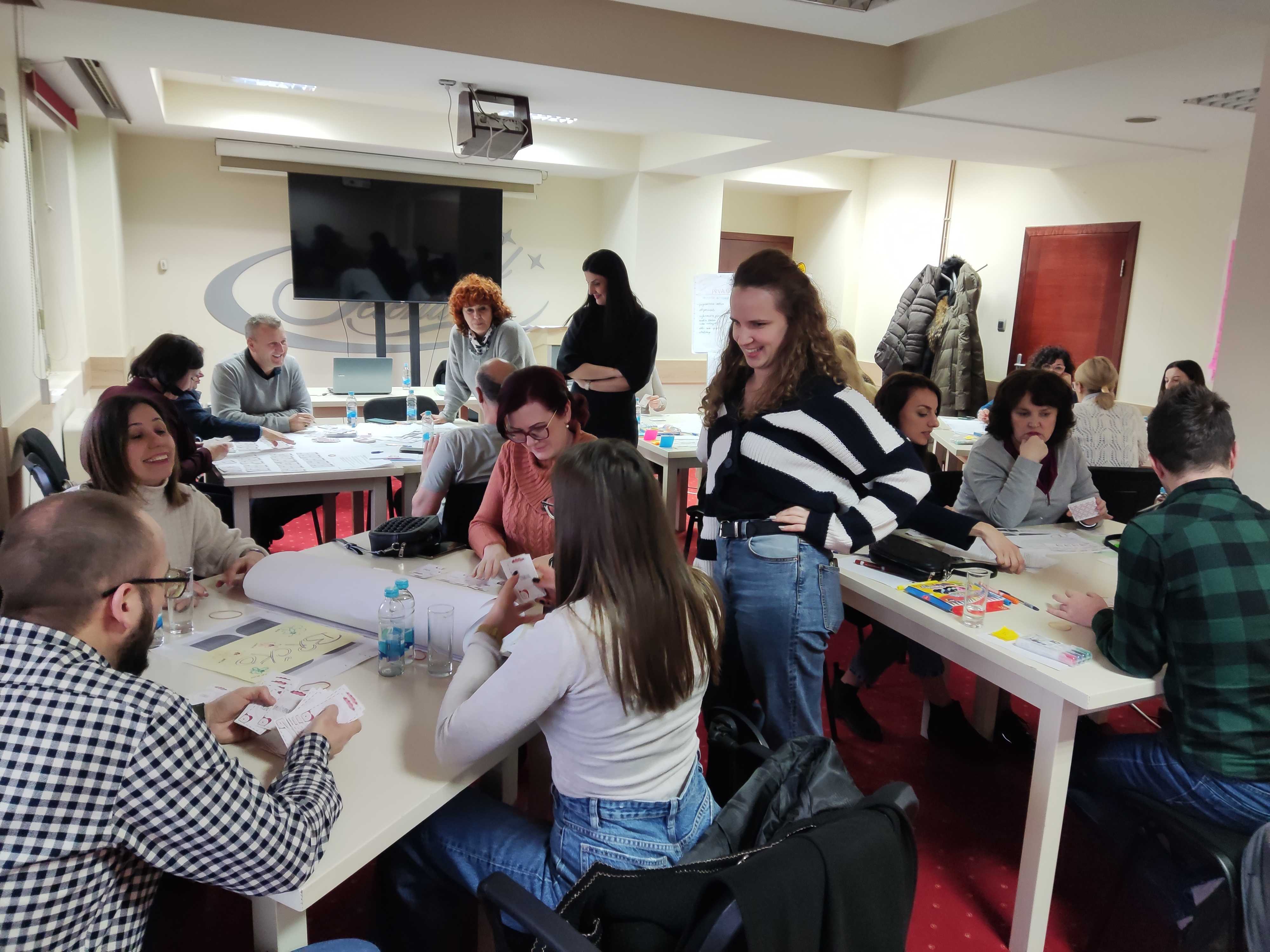
Through the action "Enhancing human rights protection for detained and sentenced persons in Serbia", which is part of joint European Union and Council of Europe programme "Horizontal Facility for the Western Balkans and Türkiye", structured group programmes have been introduced and are now an integral part of treatment. These include work with people struggling with drug and alcohol addiction, perpetrators of domestic violence, and individuals convicted of violent offences, as well as general cognitive-behavioural programmes.

The results are often subtle, but meaningful. “Each new workshop reflects progress; it is up to us as facilitators to notice even the small ones and reinforce them properly so they can continue to develop,” Perčić says. She recalls moments when even the most withdrawn participants begin to engage. “When the most withdrawn group member feels confident enough to share with the group an example of resolving a newly arisen provoking situation in a new way, and I see that the group supports him in their own way, I know we have achieved a lot.”

For her, the most powerful signs of progress are found in everyday reflections. “Personally, I consider the small, everyday indicators of change the most significant, such as reporting ‘I remembered first to breathe and think’, which indicate that a person has made a concrete attempt to change and noticed its positive consequences.”

These programmes offer more than support, they offer direction. “Each implemented programme offers individuals the opportunity to recognise previous cognitive patterns that led them into unhealthy emotions and contributed to dysfunctional behaviour,” she explains. They also provide concrete tools to build new, more effective ways of functioning.

Still, sustaining change remains a challenge once individuals leave the prison environment. “Of great importance for the continuation of the change process would be improving post-penal support for convicted persons in our country,” Perčić emphasises. Returning to old environments without continued support can be overwhelming, making long-term reintegration more difficult.

Behind prison walls, transformation rarely makes headlines. But in small, consistent steps, new paths are being built- ones that begin with trust, grow through support, and continue beyond release.
This session of the website features inspiring narratives, human stories and success examples, that demonstrate positive change  and improvement in the lives of individuals, local communities, and society as a whole.
Back When equality becomes real for everyone

Podgorica 20 May 2026
  • Diminuer la taille du texte
  • Augmenter la taille du texte
  • Imprimer la page
  • Imprimer en PDF
When equality becomes real for everyone

For many people in Montenegro, discrimination is not always loud or visible. It can happen quietly, in a job interview that never leads anywhere, in access to services, or in everyday interactions that leave someone feeling excluded or stigmatised. Often, those affected are unsure whether what they experienced is discrimination at all, and where to turn for protection.
This is the reality the new Law on the Protection of Equality and Prohibition of Discrimination aims to change.

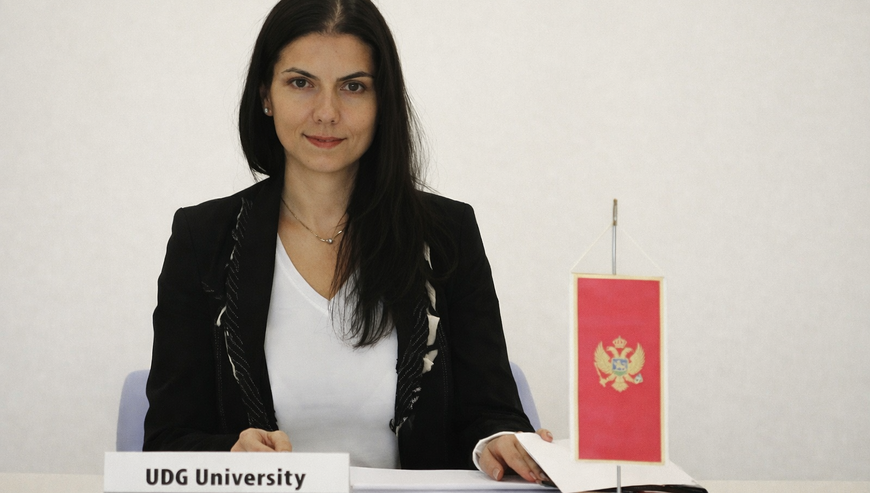
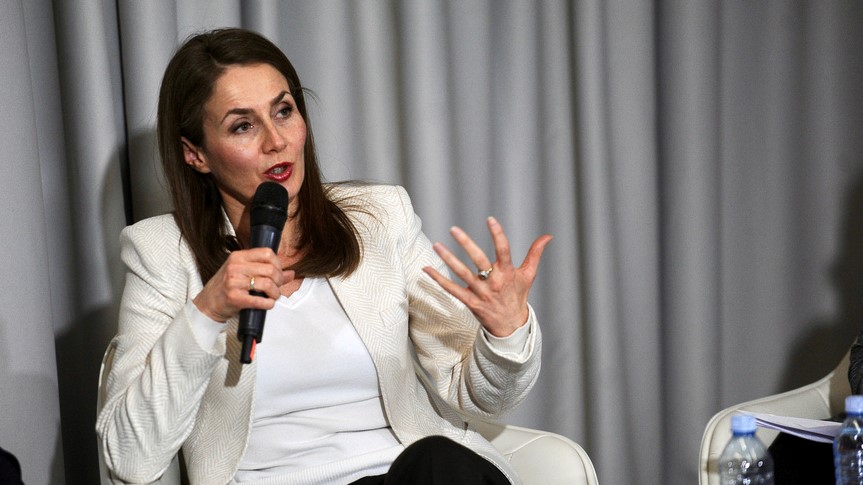
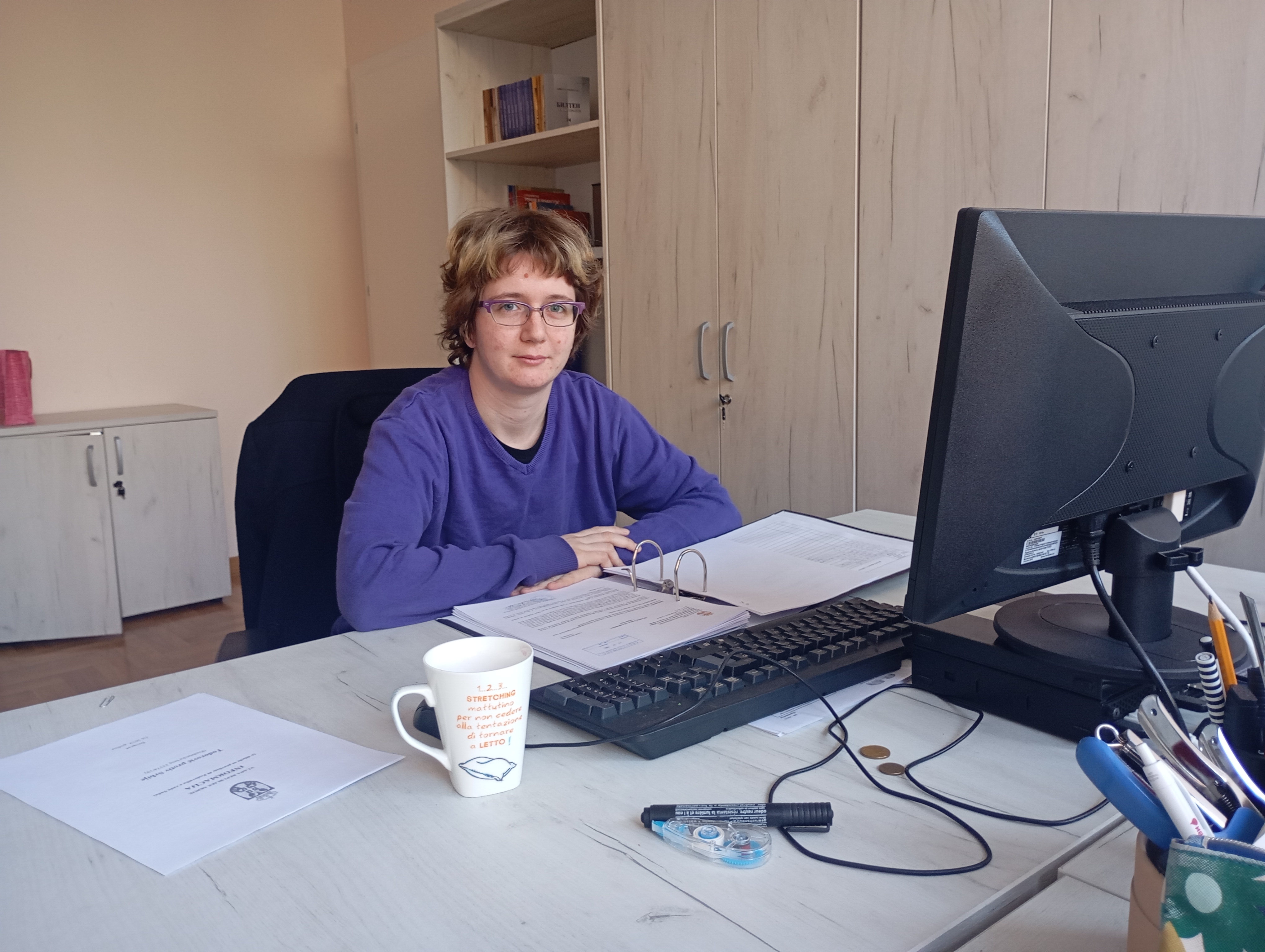
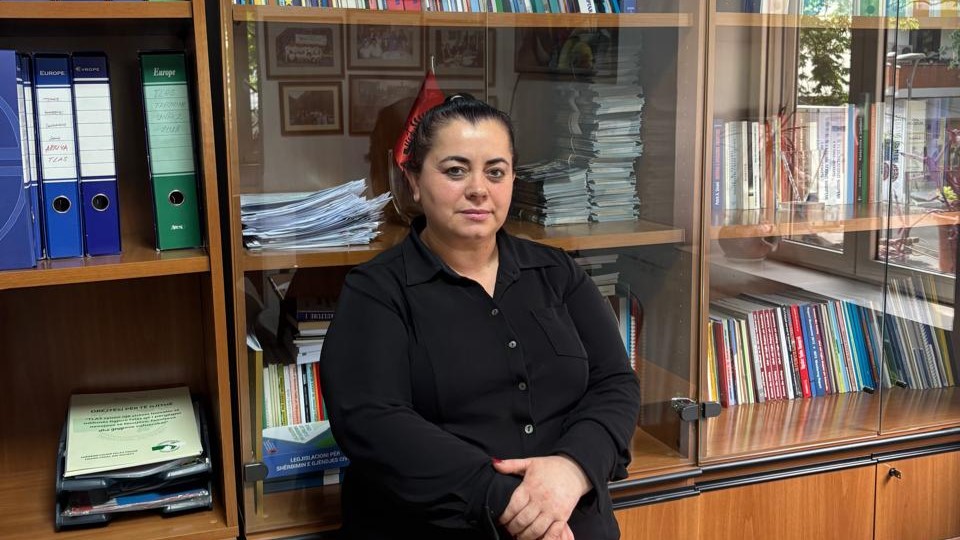
Developed through a comprehensive process led by the Ministry of Human and Minority Rights and with the support of the action “Combating hatred and intolerance in Montenegro” under the European Union and the Council of Europe programme “Horizontal Facility for the Western Balkans and Turkiye”, the law represents a major step forward in strengthening protection against discrimination. At the heart of this effort was Irena Varagić, manager in the Ministry, who played an important role in drafting the legislation.

“The new Law on Protection of Equality and Prohibition of Discrimination represents a key step forward for Montenegro in the field of human rights, aimed at strengthening the legal and institutional framework to combat all forms of discrimination in line with the way European states do” Varagić explains.

For her, the law is not only about aligning with standards, it is about making protection real and accessible in people’s everyday lives. “This law provides a systematic and legal basis for effective, comprehensive and preventive protection from discrimination in all areas of public and private life,” she says, adding that it contributes to building “an inclusive and tolerant society in Montenegro, in line with European and international standards.”

One of the most important changes lies in how clearly discrimination is now defined. The law expands the list of discrimination grounds and introduces concepts such as intersectional, multiple and systemic discrimination, reflecting the complex realities people face today.

It also provides a clearer definition of hate speech and explicitly prohibits it, in line with European definitions. At the same time, failing to provide reasonable accommodation for persons with disabilities is now recognised as a form of discrimination.

For citizens and people living in Montenegro, this means something very practical: it becomes easier to recognise when their rights are being violated. “The law provides clearer, more accessible and more effective protection mechanisms, contributing to greater trust in institutions and strengthening the rule of law,” Varagić notes.

In everyday life, this can make a real difference. Situations that may have previously gone unnoticed or unchallenged- such as seemingly neutral rules that disadvantage certain groups- can now be identified and addressed as discrimination.

The law also strengthens protection mechanisms. According to Varagić, individuals can seek judicial protection, request compensation and demand that discriminatory practices stop. Importantly, once a person makes it likely that discrimination has occurred, the burden of proof shifts to the other party- a crucial safeguard in cases where discrimination is difficult to prove.

Alongside the courts, the Protector of Human Rights and Freedoms plays an important role, providing an accessible path for complaints and recommendations, often without the need for lengthy procedures.

As comprehensive as the law is, its real impact will depend on how it is implemented. One of the main challenges will be ensuring that institutions consistently recognise and respond to different forms of discrimination, while citizens are aware of their rights. “The biggest challenges relate to the practical application of the law, particularly in recognising different forms of discrimination and ensuring consistent implementation by all institutions,” Varagić says.

To address this, a wide range of activities is already planned, from public awareness campaigns to targeted training for judges, prosecutors, police officers and other professionals. “Education will be key for the proper implementation of the law and for raising awareness about the importance of equality and non-discrimination,” she adds.

Ultimately, the success of the law will be measured not only through legal cases, but through everyday change- more people knowing their rights, more confidence in institutions, and a clearer understanding that equality is not only a principle, but a lived standard that must be protected in practice.

For Montenegro, this law marks an important step forward. But for citizens, its real value will be felt in the moments when someone recognises discrimination, feels safe to report it, and trusts that the system will respond.

Beneficiary
Albania
Bosnia and Herzegovina
Kosovo*
Montenegro
North Macedonia
Regional
Serbia
Türkiye
Topic
Anti-Discrimination
Fighting Corruption
Freedom of Expression
Justice
Reset Filter


Co-operation with 
Young European Ambassadors