Back Unlocking Justice: Free Legal Aid Brings Hope for Equal Access to Justice for All in North Macedonia

North Macedonia 20 April 2026
  • Diminuer la taille du texte
  • Augmenter la taille du texte
  • Imprimer la page
  • Imprimer en PDF
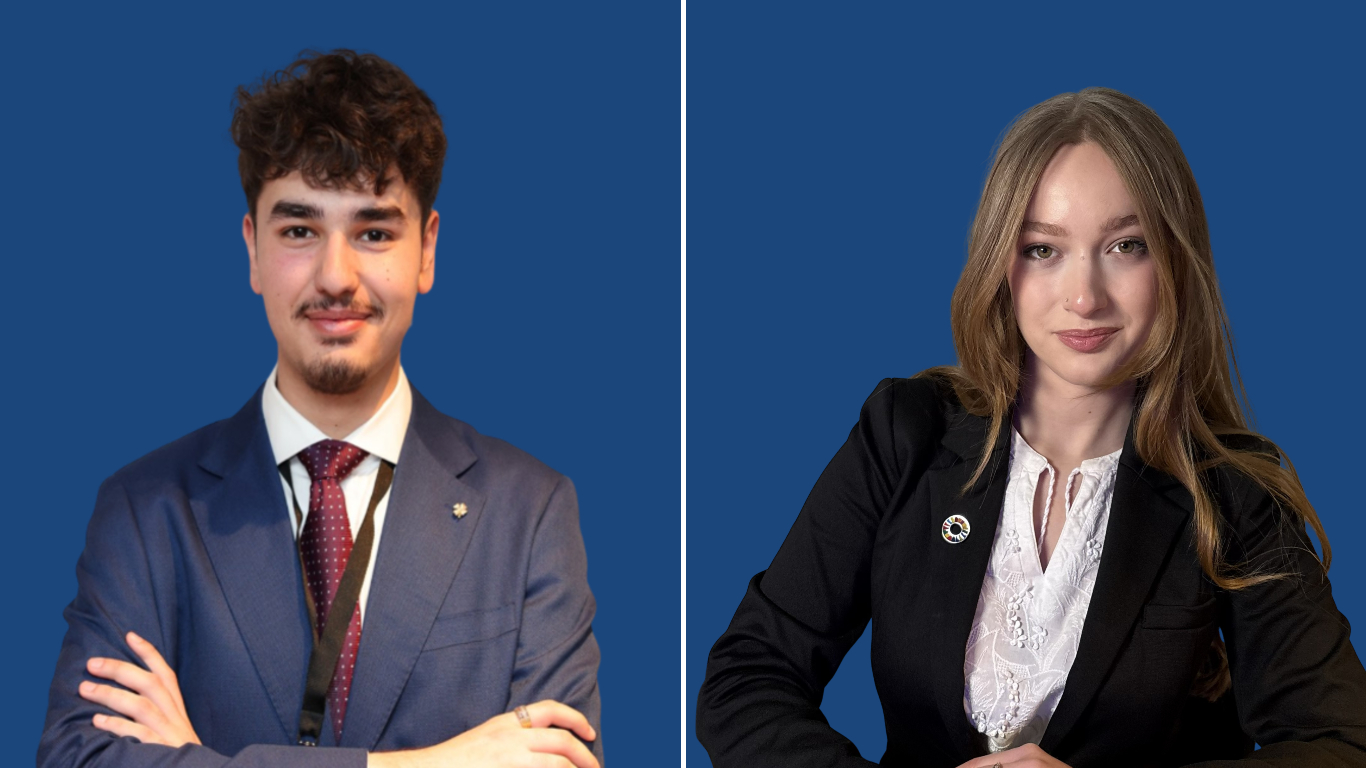
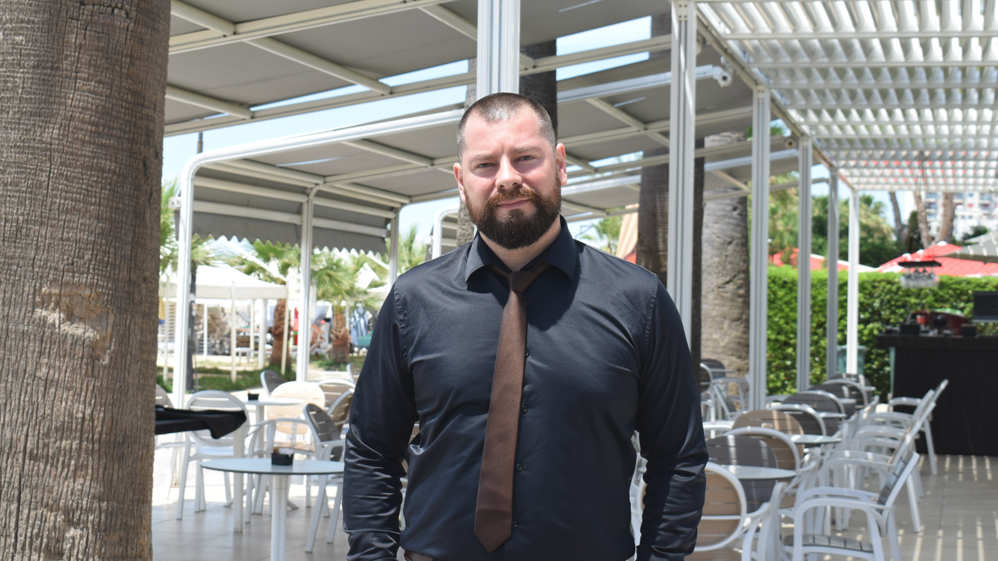
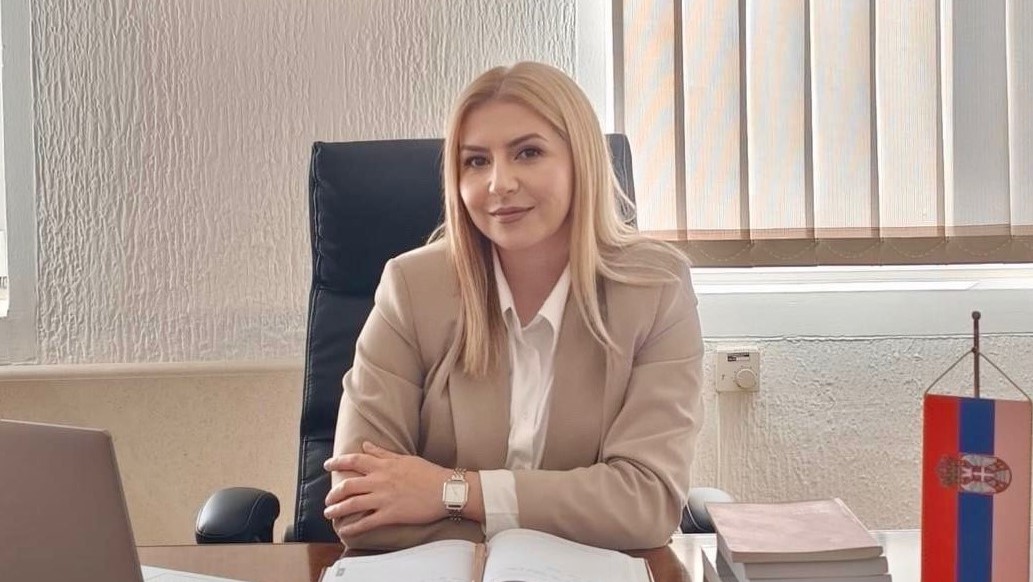
Arkin Jahiji, State Advisor for Free Legal Aid and NCB Coordinator

Arkin Jahiji, State Advisor for Free Legal Aid and NCB Coordinator

Equal access to justice is a cornerstone of a fair and inclusive society, as enshrined in the European Convention on Human Rights (European Convention) guaranteeing access to legal assistance for anyone who cannot afford it.  In North Macedonia, the European Union and the Council of Europe have for years supported the consolidation of Free Legal Aid (FLA) services, reaching vulnerable groups like women, children, people with disabilities, Roma, and victims of domestic violence. Thanks to co-ordination with state institutions, civil society, and legal clinics, the FLA network is expanding and helping more people than ever.

With continuous support from the Council of Europe, under the leadership of the Ministry of Justice and engagement of civil society and other domestic actors, North Macedonia’s Free Legal Aid system is stronger and more effective. In 2024, primary legal aid was provided in 5,030 cases — a drastic rise of over 1,580% since 2019. Secondary legal aid requests also nearly doubled. These results show that outreach and better co-ordination are making justice accessible to those who need it most.

The National and Local Co-ordination Bodies: Pillars of Collaboration

Key to this progress are the National Co-ordination Body (NCB) and new Local Co-ordination Bodies (LCB), created with European Union and Council of Europe support. These bodies have improved communication and partnerships among all actors involved in FLA. The NCB holds regular meetings, shares information, and develops practical solutions for citizens’ needs.

Arkin Jahiji, State Advisor for Free Legal Aid and NCB Co-ordinator, explained that: “Regular collaboration helps us develop solutions that respond to people’s real needs,” noting that open dialogue has resulted in better policies and actions for access to justice.

The Ministry of Justice’s Regional Offices greatly benefit from the NCB, which strengthens the Free Legal Aid system. “Through the exchange of experiences and best practices, stakeholders are better able to identify challenges and address them effectively,” said Jovanka Kamcheva from the Regional Office in Negotino.

Following the NCB’s model, Local Co-ordination Bodies like the one in Kumanovo support Free Legal Aid at the community level. “Since its establishment in 2023, the Local Co-ordination Body in Kumanovo has conducted several meetings, resulting in important actions agreed among stakeholders,” said Frosina Stevanovikj, Head of the MoJ’s Regional Office in Kumanovo. She emphasised that these periodic meetings ensure that legal aid resources are used wisely and citizens receive timely support.

Civil society organisations and legal clinics also rely on the work of the NCB to monitor and improve legal aid, exchange good practices, and identify system weaknesses. “The existence of the NCB contributes to strengthening the rule of law and trust in institutions, as it enables a more organised, transparent, and co-ordinated approach to legal protection,” underlined Milica Shutova, Head of the Legal Clinic at the Faculty of Law in Shtip and NCB member.


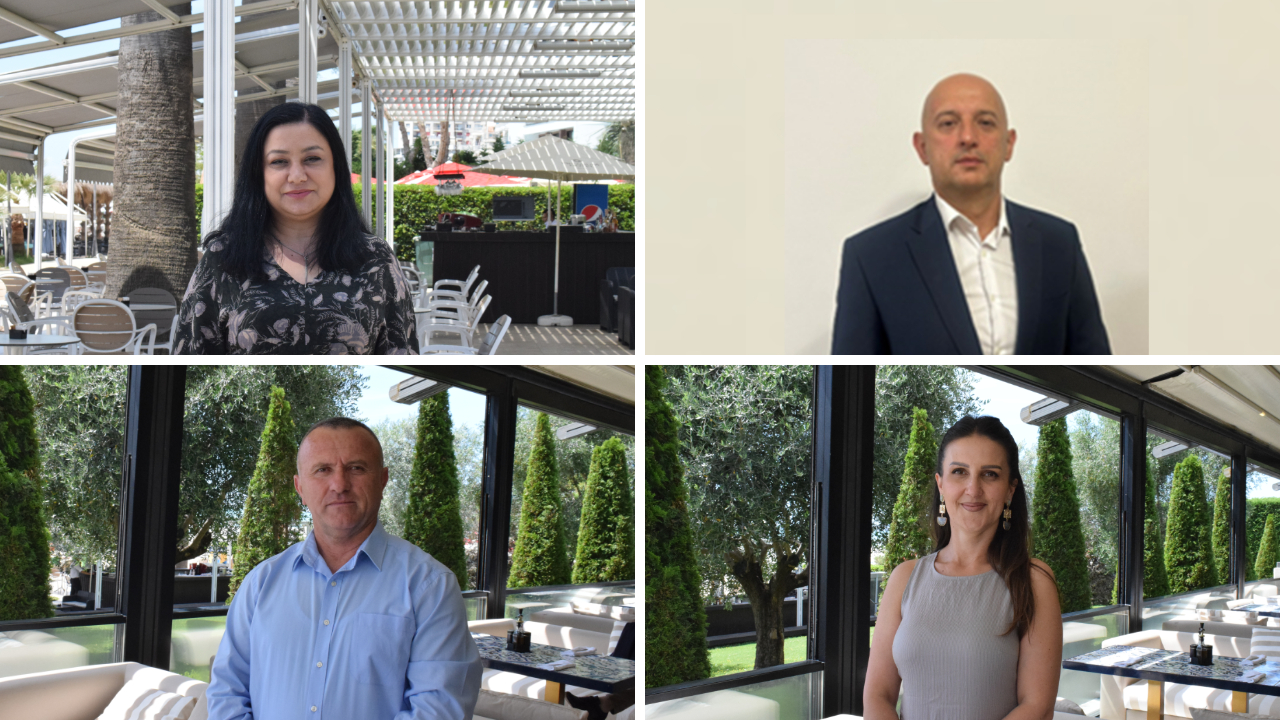
Jovanka Kamcheva from the Regional Office in Negotino

Mobile Teams: Bringing Aid Directly to Citizens

While improved co-ordination has made the system more effective, expanding access also means raising awareness, so citizens know their rights and available services. To achieve this, the European Union and Council of Europe have supported multiple awareness-raising initiatives (including 33 micro promotions in different cities and rural areas) together with the Ministry of Justice, civil society organisations, and other partners in the field. These activities not only reach local and vulnerable communities but also bring services closer to those who need them most, ensuring free legal aid benefits reach every corner of North Macedonia.

Since last year, three mobile teams—composed of CSOs representatives and law students from legal clinics—have been providing primary legal aid at Civil Registry Offices in Skopje, Bitola, and Shtip. During November and December 2025, 496 people received primary legal aid from these teams. “This initiative has shown that when legal aid is brought closer to citizens, access to justice improves, and their awareness and trust in institutions increase,” said Irena Tufekdzieva, Representative of the Youth Cultural Center – Bitola and member of the mobile team in Bitola.

For Milica Shutova, Head of the Legal Clinic at the Faculty of Law in Shtip, providing primary legal aid in Civil Registry Offices is a significant step toward improving access to justice and legal certainty for citizens. “This initiative is of great importance for legal clinics and the free legal aid system as a whole, strengthening legal services especially for vulnerable groups, and helping to overcome legal challenges,” she emphasized.

The mobile team in Skopje is also very active in providing free legal aid and information materials to citizens. Aleksandra Efremova and Andrijana Markovska, representatives of the Macedonian Young Lawyers Association and members of the team, shared examples of how they helped on-the-spot citizens overcome legal barriers: initiate registration of children’s births, assisting with birth register changes, and obtaining identity documents for citizens and their minor children. “This initiative is very helpful especially for vulnerable groups, and it should continue in the future,” said Efremova.


Mobile team with CSO-s representatives and law students from legal clinics

Partnerships Making Justice Accessible

Under the umbrella of the Horizontal Facility the programme, the European Union and the Council of Europe, are forging strong partnerships between state institutions, civil society organisations, and legal clinics, so more people in North Macedonia are getting practical legal help — advice, documents, and support with everyday legal issues. Co-ordination bodies and mobile teams have helped make legal services more accessible, efficient, and responsive, addressing a key Recommendations and Guidelines of the Council of Europe. Collaboration remains key to building a fair and inclusive society for everyone.


This session of the website features inspiring narratives, human stories and success examples, that demonstrate positive change  and improvement in the lives of individuals, local communities, and society as a whole.

Back Young voices rising: Sjenica Youth Forum inspires action for equality and diversity

Sjenica, Serbia 17 November 2024
  • Diminuer la taille du texte
  • Augmenter la taille du texte
  • Imprimer la page
  • Imprimer en PDF
Young voices rising: Sjenica Youth Forum inspires action for equality and diversity

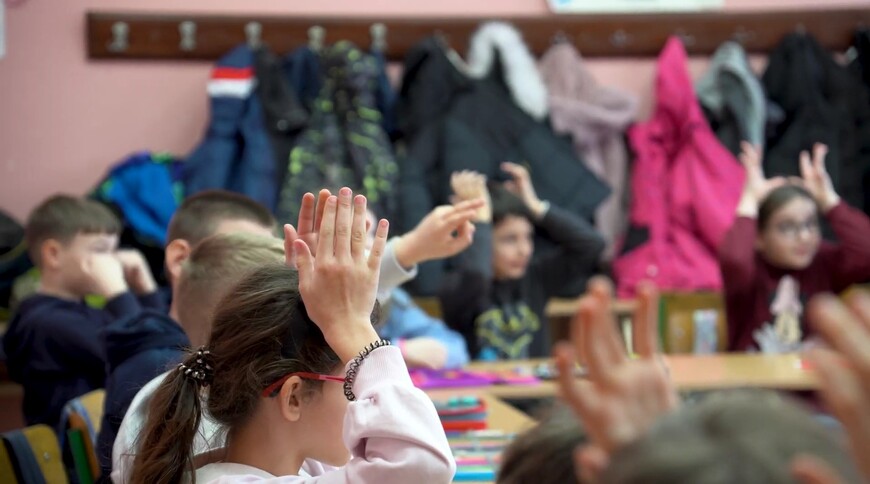
A vibrant gathering of over 75 young people from minority communities has turned Sjenica into a hub of inspiration, action, and change. The Youth Forum, titled “75+ steps toward equal opportunities,” brought together youth from across Serbia to celebrate diversity, dismantle stereotypes, and build lasting solidarity.

Held on the International Day for Tolerance and in celebration of the Council of Europe’s 75th anniversary, the three-day forum empowered participants to challenge discrimination and shape a more inclusive future. Through dynamic workshops and dialogues, they explored pressing issues such as cultural distance, discrimination, and the power of inter-community understanding.

“This experience broke down prejudices and created new friendships,” shared Emina Elfić, participant from Novi Pazar. “I’m returning home with knowledge and confidence to inspire change in my school and community.”

For many participants, the forum was a first step toward making their voices heard in decision-making processes. According to Nedeljka Borojević, a mentor and youth worker, this forum showed the youth that they are not just participants but valuable resources for creating change. “Young people want to be part of decisions in their communities, but they often feel unheard or unsupported,” she said.

Nedeljka also added that young people would appreciate it if decision-makers organised events more frequently where they could express their opinions, communicated with them in a way that resonates with their perspective, and valued them as a resource rather than viewing them through the lens of prejudice and stereotypes.

Adrijana Nikitović, Young European Ambassador, praised the event’s ability to bridge divides: “It created a space for dialogue, both among young people themselves and between youth and representatives of the civil sector and public administration. The forum enabled participants to connect with others and those who are different, demonstrating that diversity enriches rather than divides us.”

The impact of the forum extended beyond the sessions. Participants left equipped with strategies and confidence to promote inclusion in their local communities. From fostering inter-cultural dialogue to advocating for better opportunities, these young leaders are ready to drive change.

Opened by Janos Babity, Head of the Council of Europe Office in Belgrade, Tomislav Žigmanov, Minister for Human and Minority Rights and Social Dialogue, Munib Mujagić, President of Sjenica municipality  and Kemal Zekić, Head of the Office of the Municipal President, the forum was organised the Ministry for Human and Minority Rights and Social Dialogue and the action “Combating discrimination and promoting diversity in Serbia”, implemented within the joint European Union/Council of Europe programme "Horizontal Facility for the Western Balkans and Turkiye".


Beneficiary
Albania
Bosnia and Herzegovina
Kosovo*
Montenegro
North Macedonia
Regional
Serbia
Türkiye
Topic
Anti-Discrimination
Fighting Corruption
Freedom of Expression
Justice
Reset Filter


Co-operation with 
Young European Ambassadors