Geri Modernising Property Rights in Albania: Inside the Transformation of the State Cadaster Agency

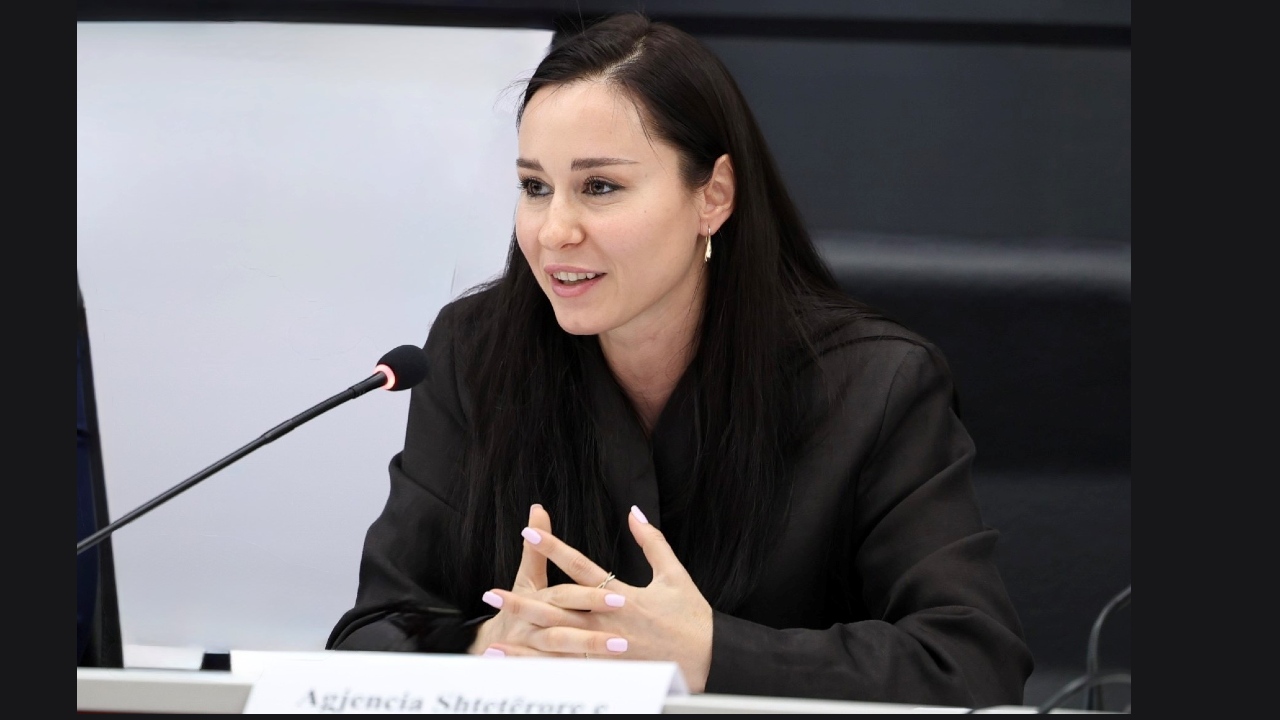
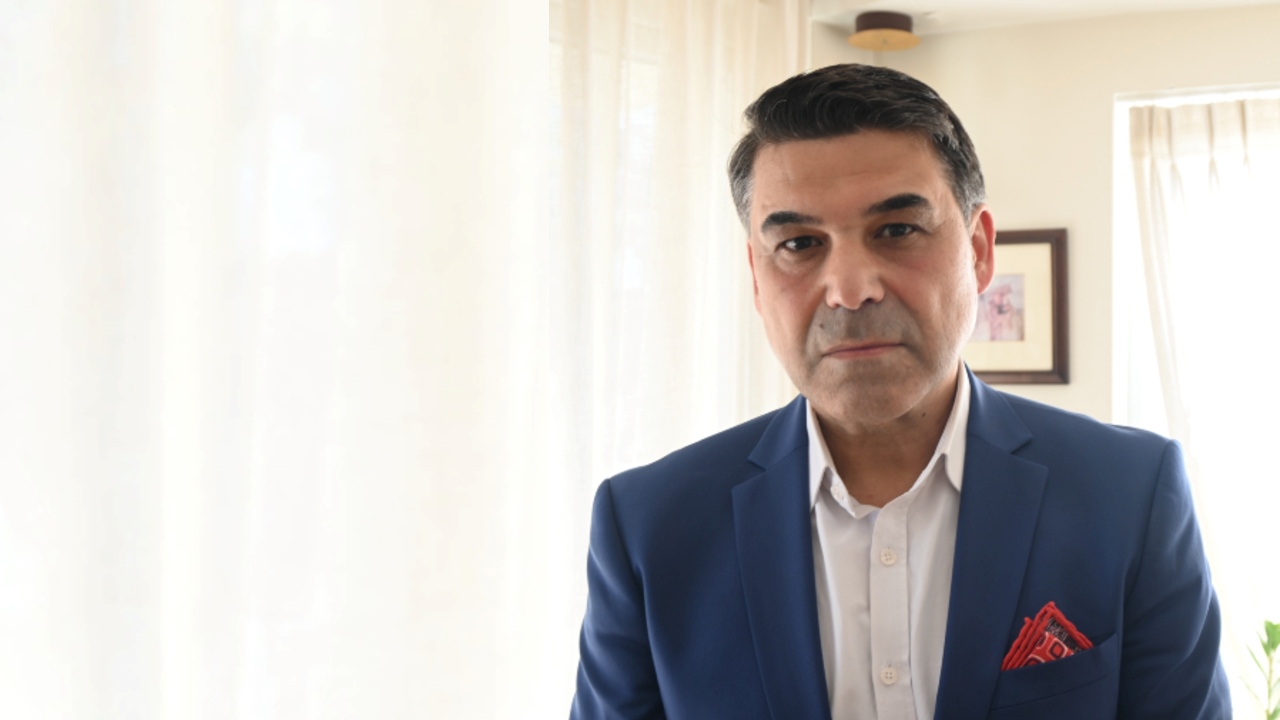
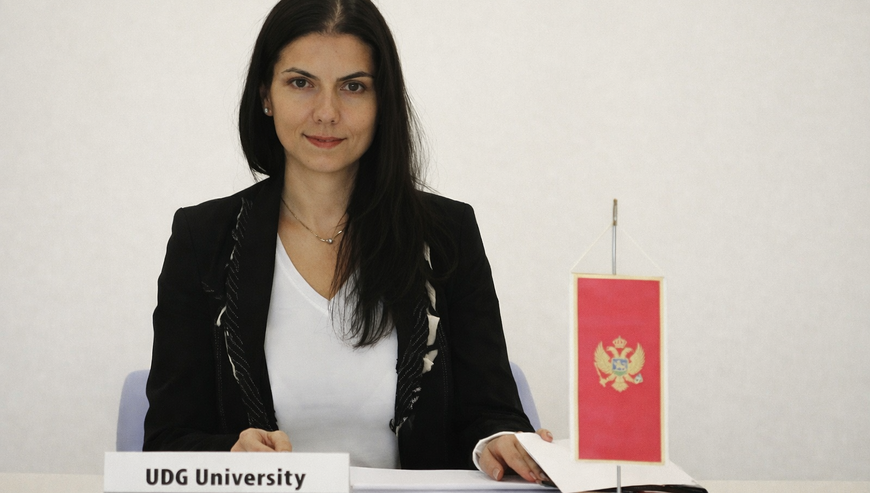
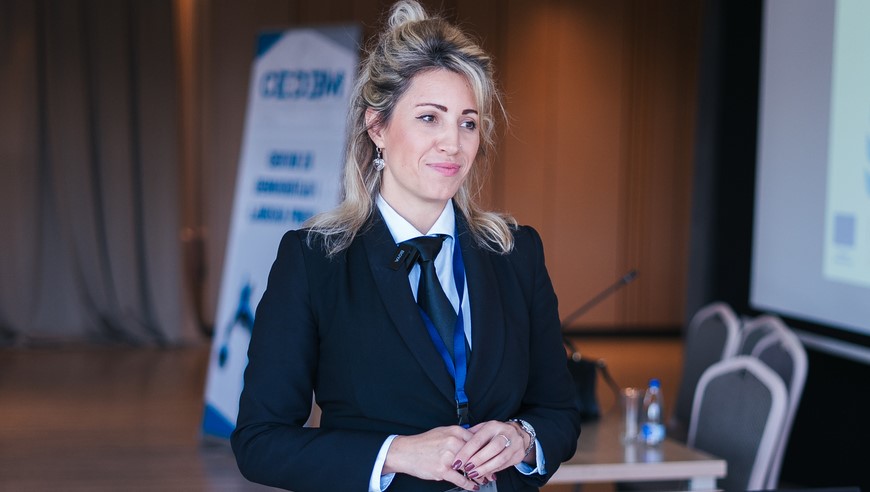
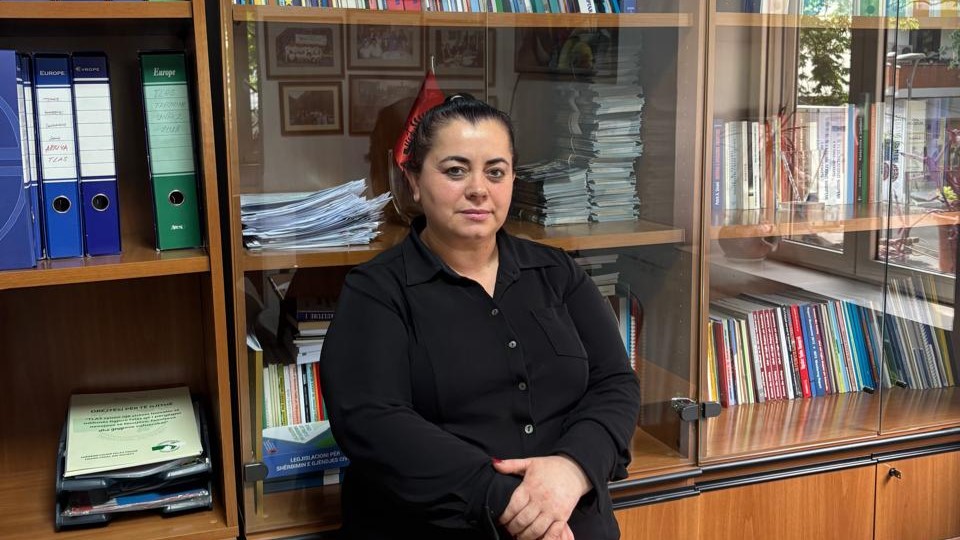
Lorena Goxhobelli, Director General of State Cadastre Agency (SCA), in this interview discusses the wide-ranging reforms currently transforming property administration in Albania. From the efforts to modernise and digitalise the Cadastre system to strengthen transparency and align with European standards, the partnership with the European Union and the Council of Europe has been instrumental in overcoming institutional challenges and shaping a strategic vision that guarantees legal certainty for property owners and provides fast and transparent services to all citizens.
Tirana / Albania 6 May 2026
  • Diminuer la taille du texte
  • Augmenter la taille du texte
  • Imprimer la page
  • Imprimer en PDF
Modernising Property Rights in Albania: Inside the Transformation of the State Cadaster Agency

How would you describe the ongoing reform undertaken at the State Cadastre Agency in Albania?

At the State Cadastre Agency, we have initiated a structural and transformative reform aimed at the modernisation of property administration in Albania. For the first time, we have not focused only on partial improvements, but on addressing the fundamental problems that have accompanied the cadastral system over the years.

Our focus is on building a modern, digitalised and reliable Cadastre through two fundamental processes: complete digitisation of the cadastral archive and the completion of initial (first) property registration throughout the entire territory. These two processes are preconditions for guaranteeing legal certainty of property and delivering higher-quality services to citizens. In this journey, co-operation with European partners has been essential for adopting international best practices and supporting Albania’s integration into the European Union. The results are already visible in the increase of online services, greater transparency and growing public trust in the institution.


From an institutional perspective, what have been some of the main challenges during the institutional reform process, and how has the partnership with the EU and the Council of Europe helped in addressing these difficulties?

Our daily work is accompanied by important challenges related to the legacy of historical property issues, the modernisation of digital infrastructure, and changing the institutional culture towards a more citizen-oriented approach.

Some of the main challenges include the lack of complete archives,            damaged or inaccurate cadastral maps, non-uniform application of standards for property registrations in different periods, , and the completion of transitional property processes such as legalisation, the treatment and registration of old constructions, and the transfer of agricultural land into property ownership.

The partnership with the European Union, the Council of Europe, and other international partners has been valuable in addressing these challenges through technical assistance, exchange of experience, and strengthening the professional capacities of staff.

The Council of Europe, has been a valuable partner for us in this journey in the efforts to strengthen transparency and institutional integrity.


More specifically, could you elaborate on the main areas of cooperation with the Council of Europe? How have these collaborative efforts contributed to the progress of the Cadastre reform?

Co-operation with the Council of Europe has been instrumental in bringing these reforms forward. Specifically, the assistance from the EU and Council of Europe joint “Horizontal Facility” programme has focused on several key areas directly related to improving the functioning of the institution and increasing transparency.

For the first time, a Communication Strategy for the Albanian Cadastre has been drafted, with the support of the programme, accompanied by a concrete action plan. This strategy enables more proactive communication with citizens and engagement with stakeholders, building trust and fostering collaboration with property owners and the general public.

Second, our awareness raising initiative conducted in co-operation with the Council of Europe has achieved great results, helping us to reach many people with valuable information about their rights and obligations as property owners. The informational materials cover the most important processes on property management including registration, legalisation, digitalisation etc., which aim to inform and educate the public.

The upcoming Regional Conference on property rights organised with the support of the EU and Council of Europe, will showcase this partnership. This  initiative aims to create a platform for regional co-operation and exchange of experience on property rights at the regional level .

Such initiatives have helped us enhance our institutional practices and improve the way the institution communicates with citizens, in line with European standards.


Under your leadership, how have European standards and key Council of Europe documents been integrated into the ongoing Cadastre reform?

The Agency has made significant progress in implementing key measures towards efficiency and transparency. This includes completing the digitalisation process, finalising the initial property registration and automating  the services provided by the Cadastre. These are essential aspects of the reform, aligning with European best practices and Council of Europe recommendations.

I want to stress that increasing transparency and reducing human intervention in relevant processes through service automation and the adoption of new technologies (including blockchain) aligns with European standards for the delivery of public services and represents an important step forward in the fight against corruption.  

Last but not least, the drafting of the Integrity Plan and the development of the Anti-Corruption Plan for the State Cadastre, supported by EU are also part of integrating key standards of good governance and anti-corruption efforts in our daily work.


Looking ahead, what is your strategic vision for the further development of the institution? How do you assess the role of the partnership between the SCA and the Council of Europe in supporting these long-term objectives?

Our strategic vision is to build a modern, digitalised and fully reliable Cadastre that guarantees legal certainty for property owners and provides fast and transparent services to all citizens. By 2026 we will have completed the full digitalisation of the cadastral archive and by 2027 the initial registration for the entire territory. By advancing the level of service automation and further improving communication with citizens, the trust in the institution is increased. All these efforts reflect the joint engagement and efforts from all actors in support of our vision: Albanian Cadastre as a modern, transparent and reliable institution, serving the country’s economic and social development. The support from the EU and Council of Europe is helping us to bring forward this vision.
 

This session of the website features inspiring narratives, human stories and success examples, that demonstrate positive change  and improvement in the lives of individuals, local communities, and society as a whole.

Geri Profit or people? The battle against modern-day slavery in North Macedonia

9 April 2026
  • Diminuer la taille du texte
  • Augmenter la taille du texte
  • Imprimer la page
  • Imprimer en PDF
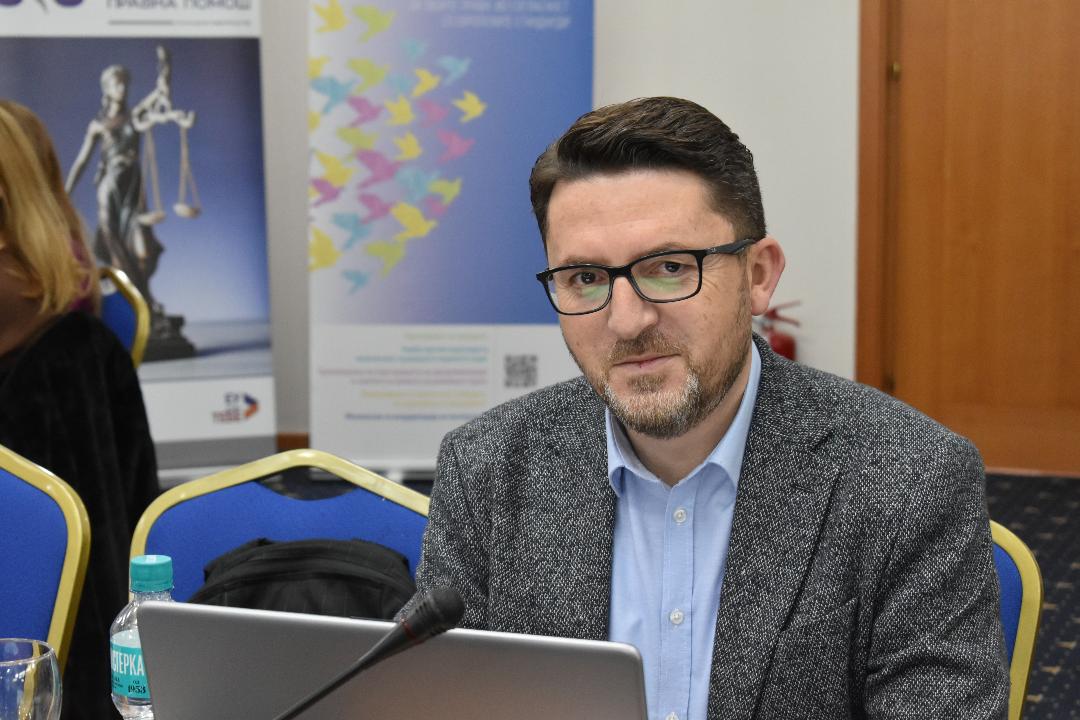
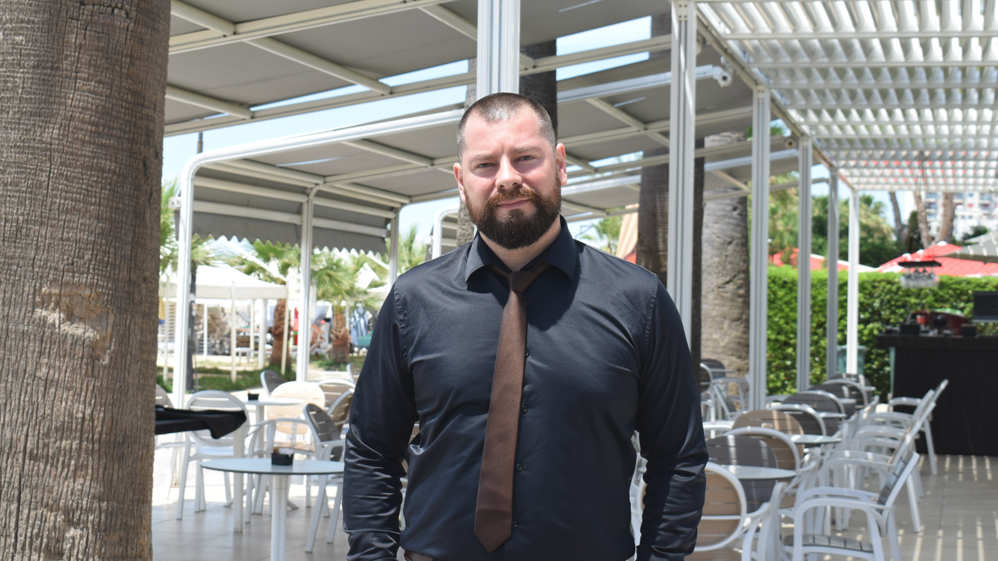
Mile Boskov - President of the Business Confederation

Mile Boskov - President of the Business Confederation

Human trafficking for labour exploitation is a serious and ever-growing global concern that affects people of all ages. At its core, it means that people are forced or deceived into working under abusive conditions, which infringe upon their human dignity. The victims are severely overworked, underpaid (or not paid at all), their identity documents are confiscated, they are kept under a strict surveillance by trafficker and cannot leave the work, regardless of the conditions.

In light of GRETA recommendation on the importance of information and awareness campaigns for groups most at risk of human trafficking for labour exploitation, the Business Confederation of North Macedonia, supported by the European Union and the Council of Europe anti-trafficking action, concluded a major awareness initiative called “Maybe you are also involved in labour trafficking” in 2025. This initiative focused on the risks, prevention and consequences of labour exploitation in different sectors of the economy.

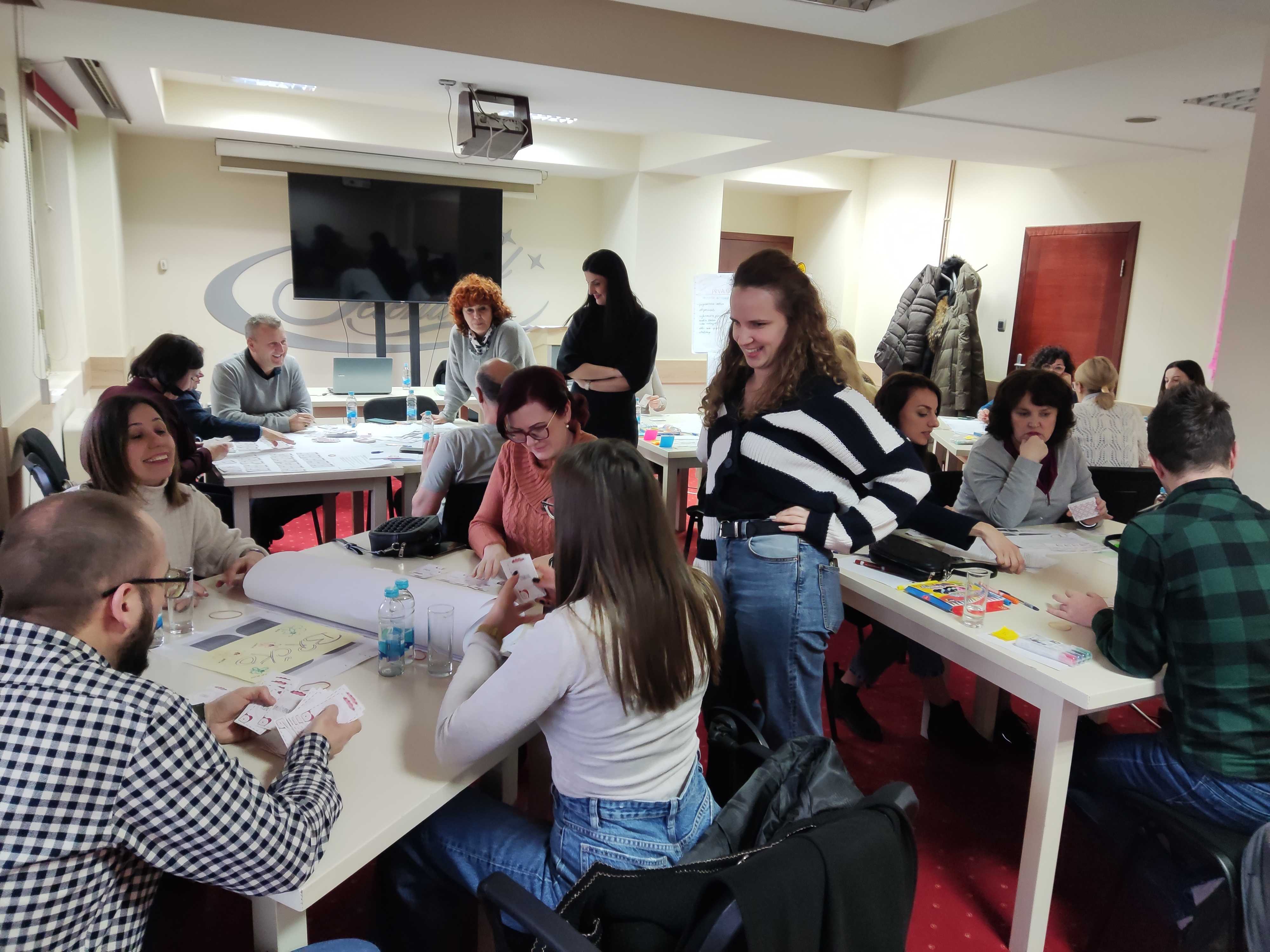
This awareness initiative involved public discussions and an on-line social media campaign targeting trade unions, migrant and seasonal workers, the business community and the general public. In 4 workshops, 179 participants discussed the perils and consequences of human trafficking for the purpose of labour exploitation. The participation included diverse sectors, such as, company representatives, labour inspectors, workers and civil society organisations. Tailored informational materials including leaflets (for employers / for employees) , a general guide for employers and 3 sectoral guides (hospitality & tourism / civil construction / agriculture ) were distributed both to employees and employers. A social media campaign reached over 25,000 people across North Macedonia, sharing valuable information about labour exploitation, while many articles and TV chronicles warned against human trafficking for labour exploitation and its consequences.
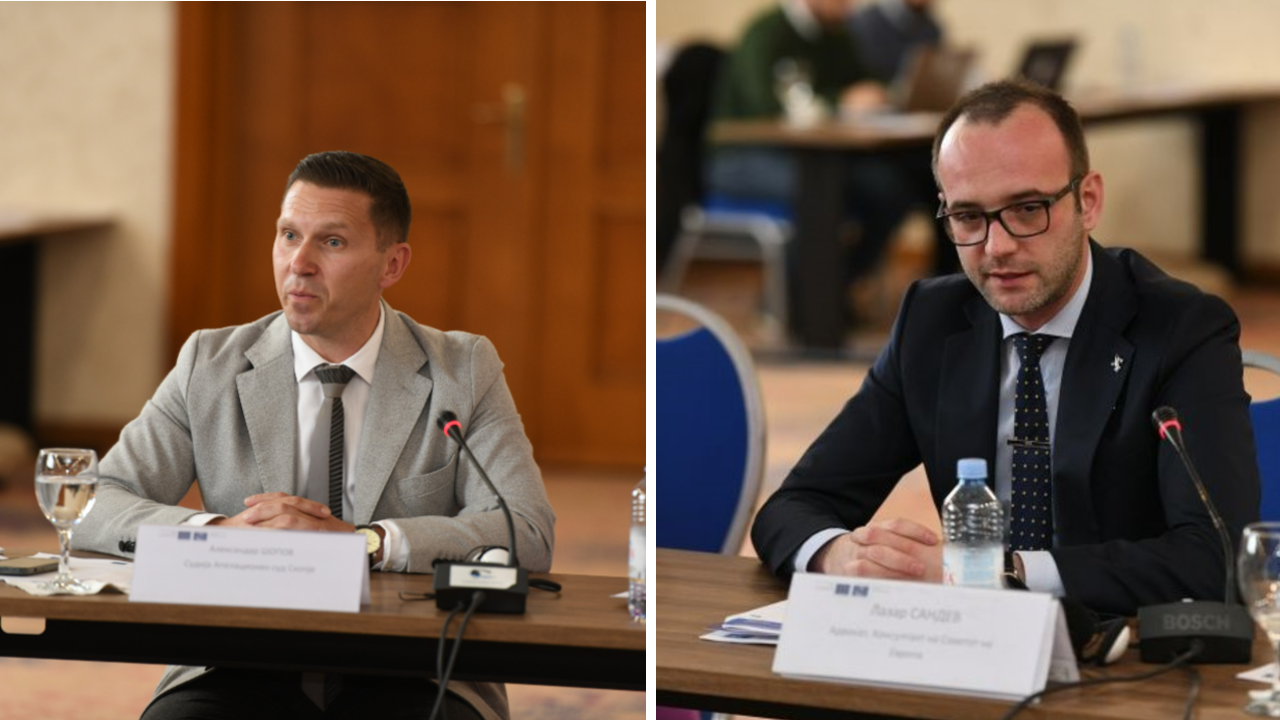


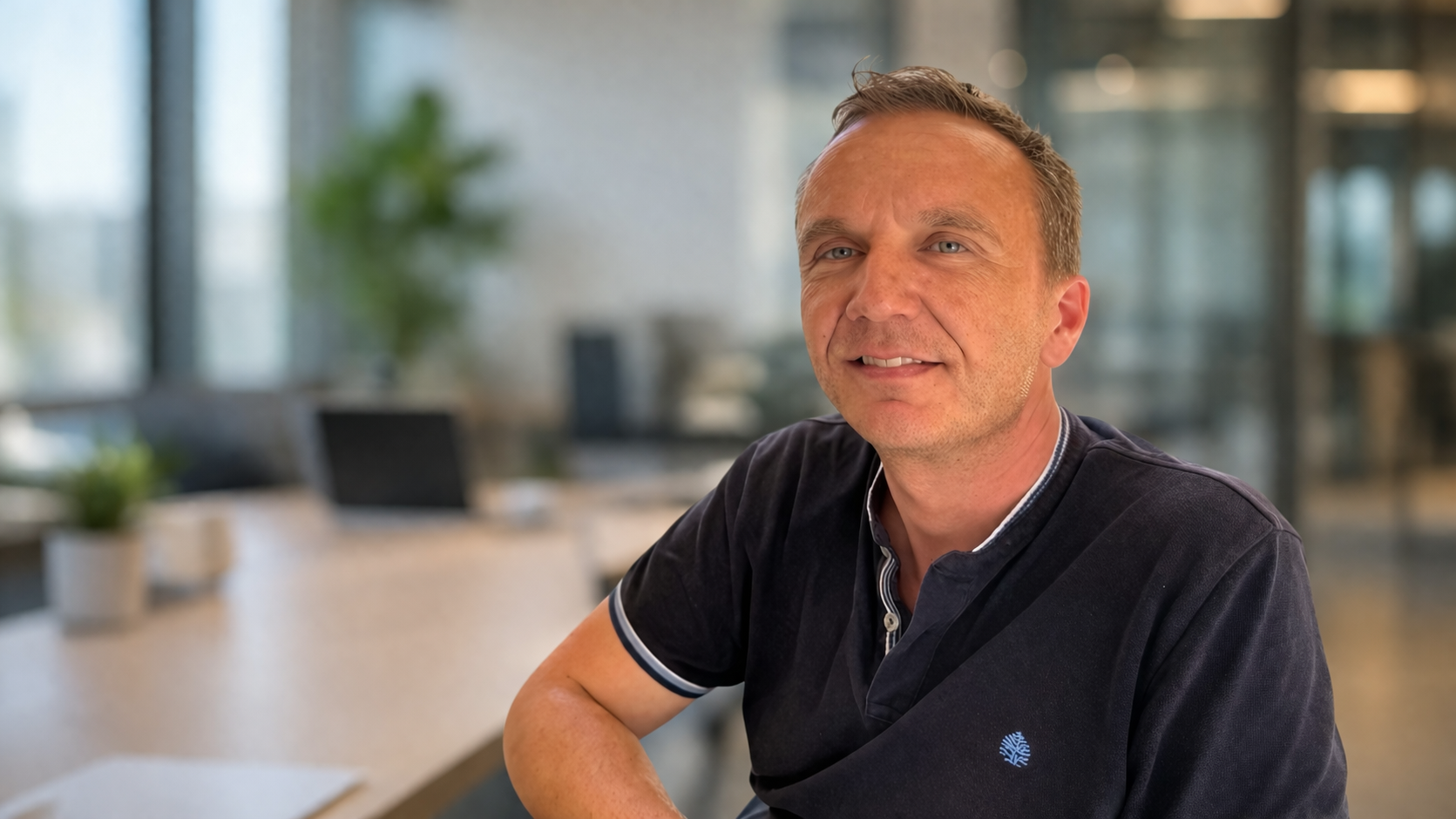
We met the President of the Business Confederation, Mile Boskov. The idea for this initiative sparked from the observation that most of the businesses are fully profit oriented and mostly uninformed of the right to decent work and of the consequences of labour exploitation. By the same token, students, seasonal and migrant workers are often not aware of the risk of trafficking for labour exploitation. “We wanted to explain to them their rights and the indicators of labour exploitation. In addition, we empowered the employees and the trade unions to actively prevent any risks and report this crime.”, underlined Boskov.
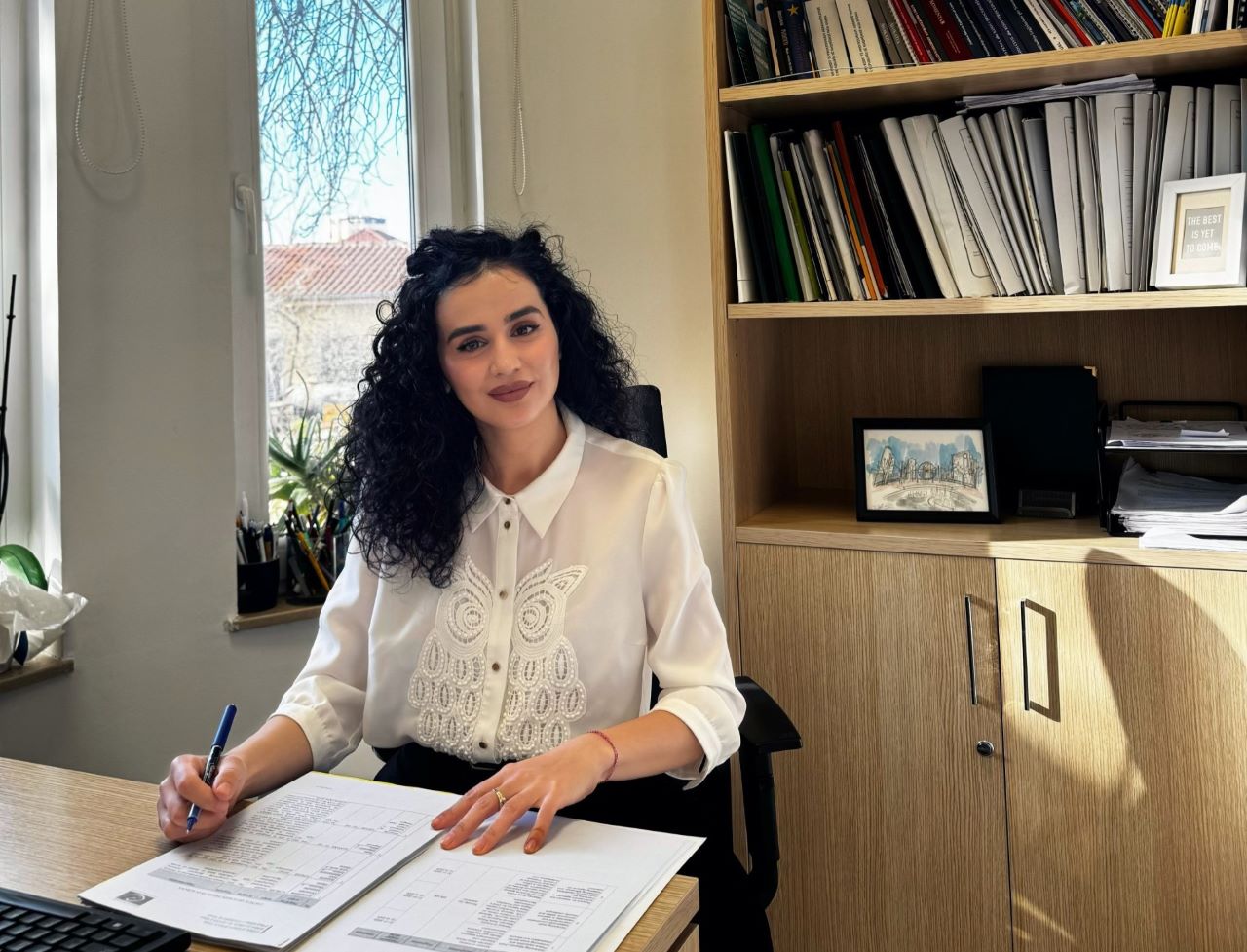

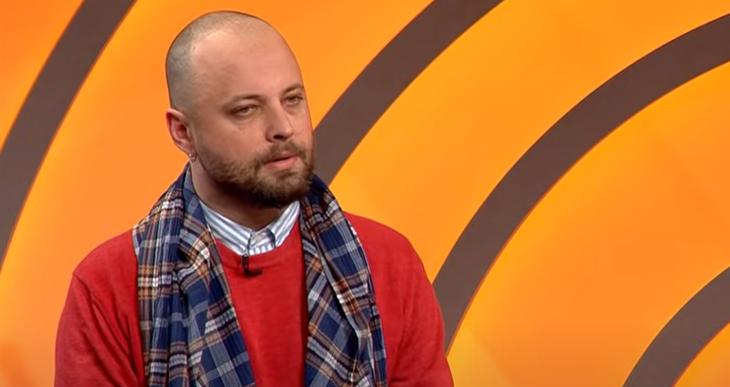
In exchanges with members of the Business Confederation, we learned that construction, agriculture and hospitality are industries at the highest risk of labour exploitation. More specifically, in the agriculture sector, the focus is on both labour contract legality and the conditions of stay. In construction, which offers better paid jobs, employers tend to minimise costs related to protection and well-being of workers. “The co-operation with the Council of Europe has been instrumental for bringing this anti-trafficking initiative forward, aiming at raising awareness about this sensitive topic and protecting worker’ rights. Yet, labour exploitation is a never-ending story and we will continue to be active with other preventive and educational initiatives.”, said Mile.

Information materials for employers were designed for different sectors in accordance with that sector’s features and risks. The workers were informed about their rights and reporting procedures in a specially designed leaflet. Unregistered workers are especially vulnerable to labour exploitation in the country. Most violations are seen in agriculture and construction. “The issue is beyond legal contracts, as employees are sometimes exposed to safety and hazard risks. At the same time, investing in safety, better working conditions and formalising relations with the employees might mean less profit for the employer”, explained Mile.

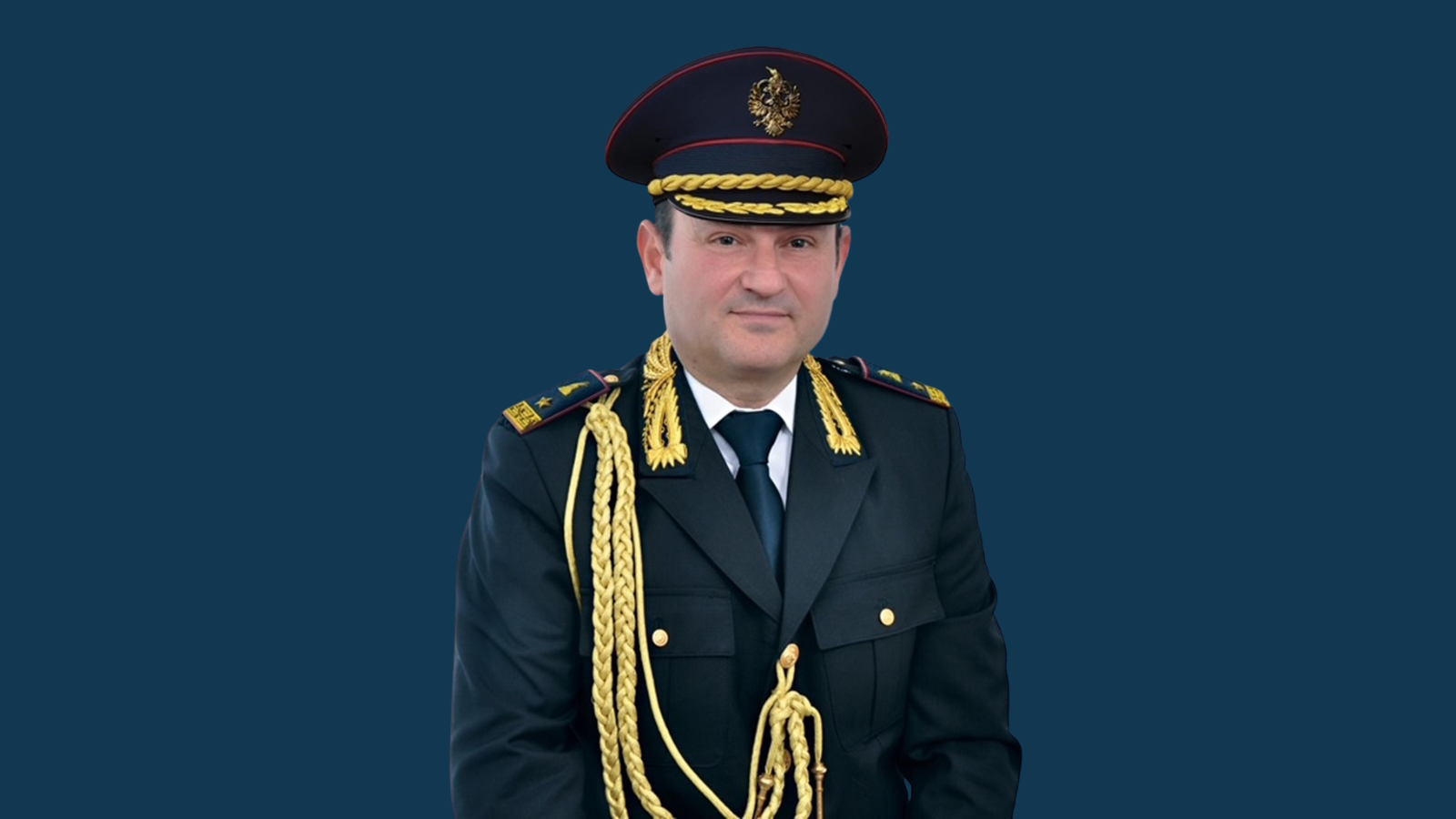
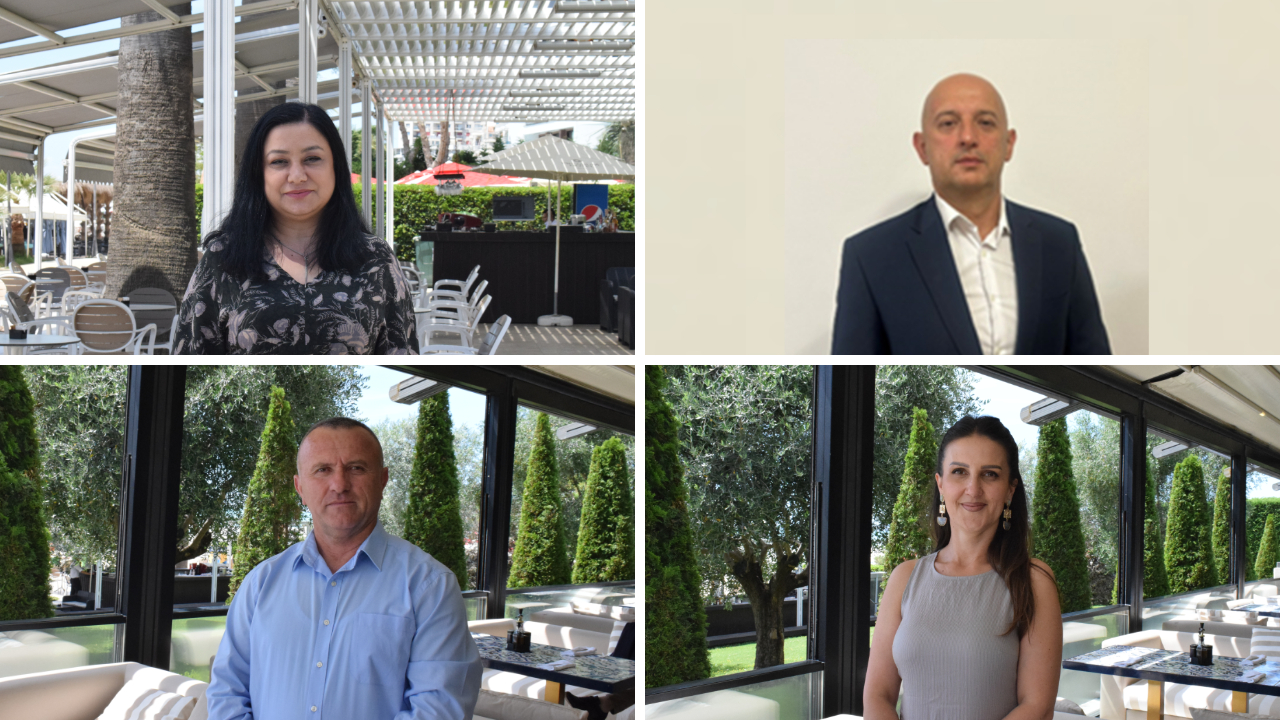
From 2017 to 2025, official statistics identified 52 victims of trafficking for the purpose of labour exploitation, including seven forced into begging. Ana Burageva, the Secretary of the National Commission for fight against human trafficking and illegal migration, highlighted the link between exploitation and economic vulnerability, while stressing the importance of co-operation among all actors for an effective response. “Strengthening early identification, inter-institutional co-operation and aligning with European standards is key to protecting victims.”, said Burageva. 

Since 2018, the anti-trafficking action of the European Union and the Council of Europe (part of the Horizontal Facility for the Western Balkans and Türkiye), in partnership with the State Labour Inspectorate, runs capacity building activities for inspectors to better identify and protect victims. Daniela Stefanovska, inspector and trainer, confirmed this: “These trainings help professionals understand real-world scenarios and roles, leading to more effective detection of and support for victims.”. GRETA has also welcomed the trainings provided for labour inspectors and has asked the authorities to provide the Inspectorate with adequate human and financial resources.

As awareness about labour rights rises and co-operation between actors deepens, North Macedonia is aiming to create safer workplaces, uphold human dignity and most importantly prevent and combat human trafficking for the purpose of labour exploitation across the country.


Beneficiary
Albania
Bosnia and Herzegovina
Kosovo*
Montenegro
North Macedonia
Regional
Serbia
Türkiye
Topic
Anti-Discrimination
Fighting Corruption
Freedom of Expression
Justice
Reset Filter


Co-operation with 
Young European Ambassadors

 En güncel gelişmeler

Haber bültenimize kaydolun