Geri Young voices reveal the unequal impact of environmental challenges

Belgrade 5 January 2026
  • Diminuer la taille du texte
  • Augmenter la taille du texte
  • Imprimer la page
  • Imprimer en PDF
Young voices reveal the unequal impact of environmental challenges

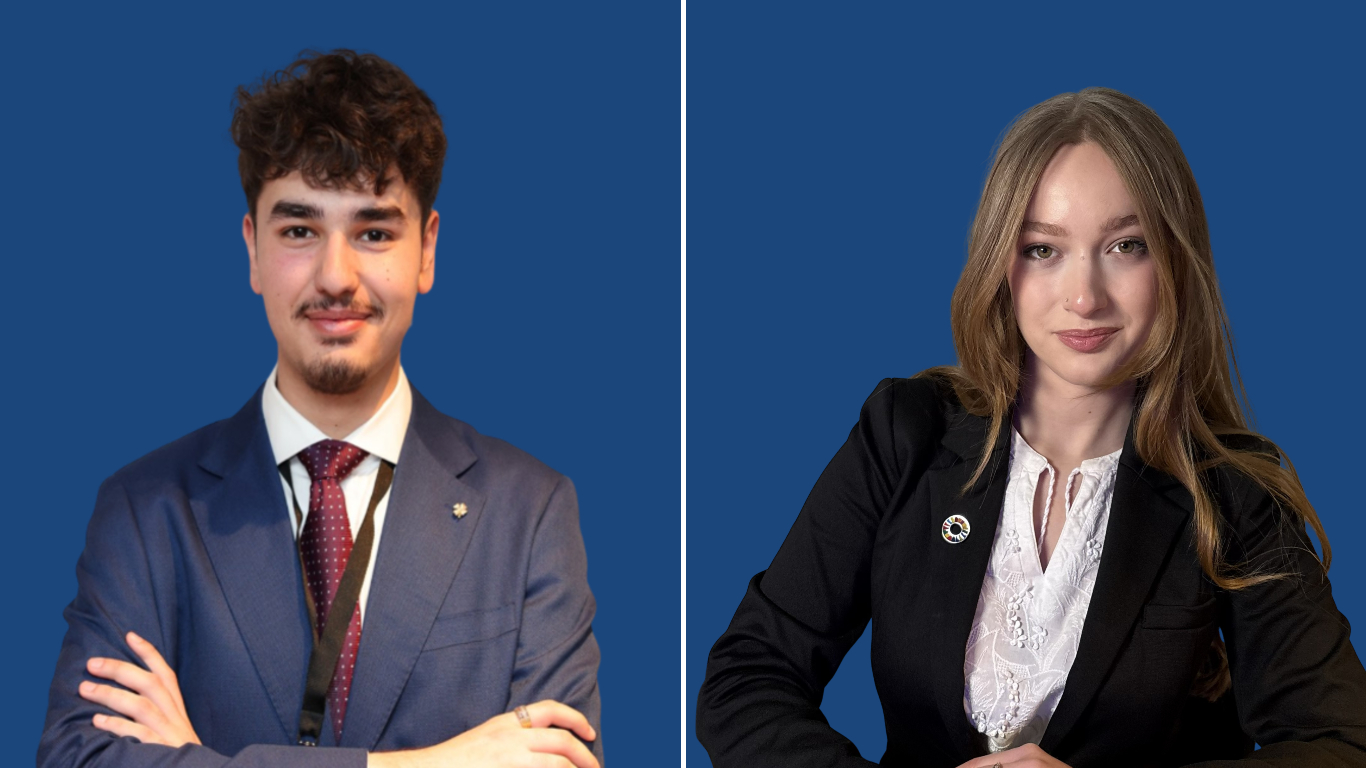
“For me, the most important insight was realising that environmental problems are not ‘neutral’, but that they affect certain groups of people much more strongly.”

This reflection, shared by Vasilije Keranović from the Panel of Young Advisors to the Protector of Citizens, after working with students on a Council of Europe survey, captures one of the key messages emerging from the new Special Report on Youth and Environmental Rights. Presented in Belgrade, the report sheds light on how young people in Serbia increasingly understand environmental degradation as an issue closely linked to inequality, discrimination and access to rights.

“I understood that pollution, poor living conditions and climate change are most strongly felt by those who already have fewer opportunities to protect themselves or to influence decisions,” Vasilije adds. He also highlights another important takeaway from the process. “Another important fact is that many adults, especially educated people, are willing to take action on these issues.”

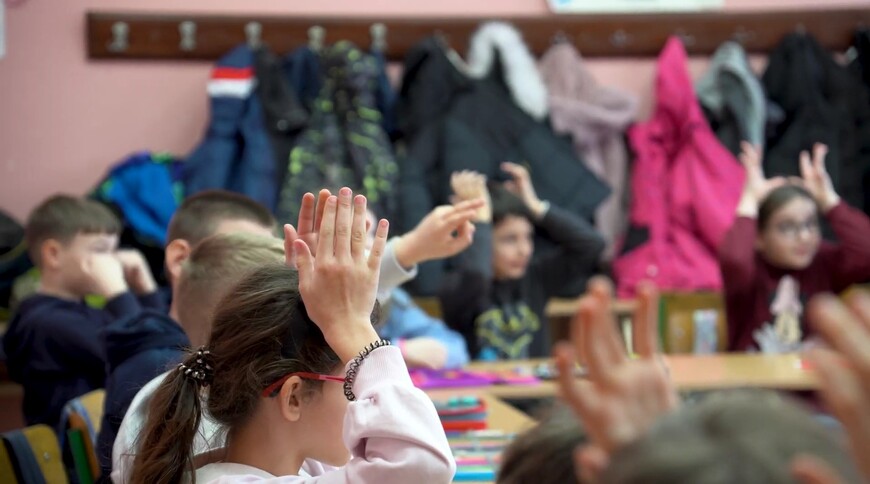
The survey was conducted among 1,044 primary and secondary school students across Serbia. Its findings show that more than half of respondents believe environmental degradation affects vulnerable groups the most, pushing them further to the margins of society. Students most often identified children, people living in poverty, national minorities, older people and persons with disabilities as those most exposed to environmental problems. At the same time, nearly one in three respondents were unable to identify which groups are most at risk, pointing to gaps in access to information and awareness.

These findings closely reflect the discussions Vasilije had with students while implementing the survey. Their reactions were mixed. Many welcomed the fact that the questionnaire was adapted to their language and completed via mobile phones, while others initially approached it as an informal classroom activity rather than a meaningful opportunity to express their views.

“The reactions were different,” Vasilije explains. “Students were happy that they could complete the survey on their phones and that the questions were simple and adapted to their way of speaking, but they also saw it as something informal, just an activity that takes time away from the lesson.”

At the outset, this attitude was often linked to a lack of confidence that their opinions could lead to change. “Yes, at the beginning students were uninterested and believed that their opinions would not change anything,” he says. “I explained to them that we are not only the future of the Republic of Serbia, but also its present, and that changes start with small things, such as filling in surveys like this or recycling plastic juice bottles.”

Once students began engaging more deeply with the topic, many quickly recognised the connection between environmental harm and social inequality. For Vasilije, this understanding is essential for fostering responsibility and solidarity among young people. “It is important for young people to understand these inequalities because it develops a sense of solidarity and responsibility towards others,” he says. “If we understand that environmental problems are not the same for everyone, it becomes much easier to advocate for fair solutions that bring benefits, especially to vulnerable groups.”

In his view, the survey results also reflect a broader shift among younger generations. “I think this shows how much today’s generations have progressed and that we are ready to actually do something concrete for the benefit of our country,” Vasilije adds.

Looking ahead, he believes decision-makers need to better recognise the role young people can play. “I would like decision-makers to understand that young people are not passive observers, but that they have clear views and a willingness to get involved,” he says. He underlines that the fight against discrimination and social inequalities must go hand in hand with environmental protection. “The fight against discrimination and social inequalities plays a key role in our society, especially among young people. Serbia must keep pace with the world and ensure that any form of belittling vulnerable groups is strictly sanctioned.”

Environmental protection, he concludes, is a fundamental step in the country’s development. “The fight to preserve the environment is also a key step in the development and improvement of the Republic of Serbia. If decisions are made without involving young people and without understanding how they affect the most vulnerable, those solutions will not be long-term or fair.”

The initiative is implemented within the European Union and Council of Europe joint programme Horizontal Facility for the Western Balkans and Türkiye, in partnership with the Protector of Citizens, the Panel of Young Advisors and civil society organisations, ensuring that young people’s insights directly contribute to recommendations and future decision-making.


Geri Yan Yana: Bir Anne ve Kızının Dijital Yolculuğu

Aydin, Türkiye 1 aralik 2025
  • Diminuer la taille du texte
  • Augmenter la taille du texte
  • Imprimer la page
  • Imprimer en PDF
Yan Yana: Bir Anne ve Kızının Dijital Yolculuğu

Kuşadası'ndaki bir ortaokulda, renkli kağıtlarla ve yumuşak sohbetlerle dolu sessiz bir sınıf, bir anne ve küçük kızı için anlamlı bir ânı işaret ediyordu. Dijital dünyayı sadece bilgi ve eğlence kaynağı olarak değil, empati, sorumluluk ve farkındalık gerektiren bir alan olarak anlamalarına yardımcı olmak için okulları ve aileleri destekleyen “Türkiye'de Dijital Vatandaşlık Eğitimi Pilot Projesi” kapsamında bir etkinliğe katılıyorlardı.

Anne için bu etkinlik, bir okul etkinliğinden öte, bir bağ kurma zamanı oldu. “Çocuklarımız dijital dünyada büyüyor, ama biz öyle büyümedik” dedi. “Onlara rehberlik etmeye çalışıyoruz, ama her zaman nasıl yapacağımızı bilmiyoruz. Bu çalışma bana güven verdi. Birbirimizi daha iyi anlamamıza yardımcı oldu.”

Eylem, derslerden ziyade ortak etkinlikler yoluyla öğrenmeyi teşvik ediyor ve ebeveynler ve çocukları yan yana oturarak çevrim içi alışkanlıkları, duyguları ve dijital deneyimleri tartışıyor.

Bu etkinliklerden birinde, çocuklar kendi oluşturdukları bir şeyleri paylaşmaya davet edildi. Kızı, kendi yazdığı bir şiiri okumak için ayağa kalktı. “Onun utangaç olduğunu düşünürdüm,” dedi anne. “Ama sesi kararlı ve güçlüydü. Daha önce fark etmediğim bir şey gördüm. Bu çalışma grubu sadece ona bir şeyler öğretmekle kalmadı, bana da onun hakkında bir şeyler öğretti.”

Kızı o günü parlak bir gülümsemeyle şöyle anlattı: “Etkinlik çok eğlenceliydi. Oynadık, öğrendik ve ben dijital vatandaşlığın ne anlama geldiğini anladım. Bu etkinliğin düzenlendiğine çok sevindim.”

Aileleri doğrudan sürece dahil ederek, eylem evdeki iletişimi güçlendiriyor ve dijital rehberliğin kısıtlama değil, ortaklık olduğunu vurguluyor. Ebeveynlerin destek gördüklerini hissetmelerine, çocukların anlaşıldıklarını hissetmelerine ve okulların ayrı dünyalar değil, ortak öğrenme alanları haline gelmelerine yardımcı oluyor.

Pilot aşamanın bir parçası olarak, 7 ildeki 14 okulda etkinlikler düzenlendi ve yaklaşık 8.718 öğrenci ve 592 öğretmenden oluşan okul topluluklarına ulaşıldı. Atölye çalışmalarına yaklaşık 793 öğrenci, 400 ebeveyn ve 35 öğretmen doğrudan katıldı. Her ziyaret, çocuklar, ebeveynler ve öğretmenler arasında anlamlı paylaşım ve anlayış anları yarattı.

Kuşadası'nda, bir anne ve kızı arasındaki bu paylaşılan an tam da bunu yansıtıyordu: birlikte öğrenmek, birlikte anlamak, birlikte büyümek.

“Türkiye'de Dijital Vatandaşlık Eğitimi” eylemi, Avrupa Birliği ve Avrupa Konseyi'nin “Batı Balkanlar ve Türkiye için Yatay Destek” ortak programının bir parçasıdır.