Back Kada inkluzija postane dio svakodnevnog akademskog života

Podgorica 27. mart 2026.
  • Diminuer la taille du texte
  • Augmenter la taille du texte
  • Imprimer la page
  • Imprimer en PDF
Kada inkluzija postane dio svakodnevnog akademskog života

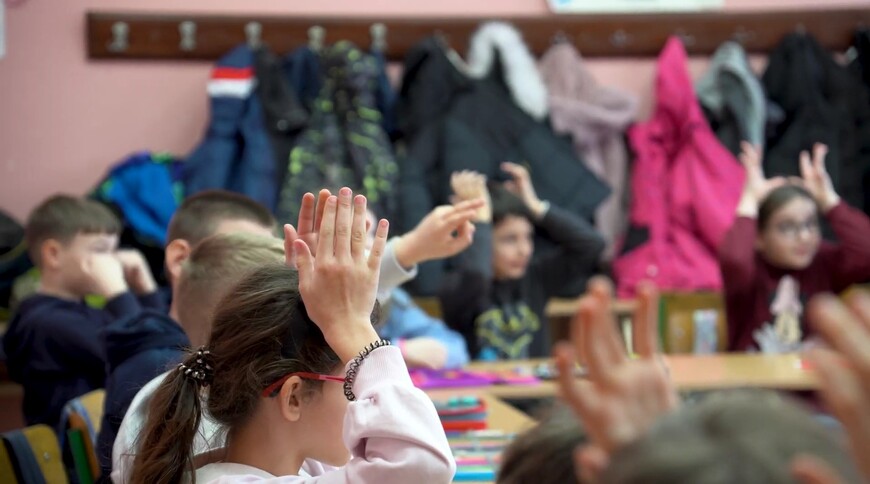
Kada student/kinja osjeti da zaista pripada akademskoj zajednici, obrazovanje postaje mnogo više od predavanja i ispita- postaje prostor za razvoj, doprinos i lični uspjeh. Na Univerzitetu Donja Gorica (UDG) upravo takav pristup pomaže studentima/kinjama sa invaliditetom da svoje mjesto u visokom obrazovanju pronađu ravnopravno sa drugima.

Za prof. dr Maju Drakić-Grgur, inkluzivno obrazovanje predstavlja temelj savremenog univerziteta. „Univerzitet nije samo prostor u kojem se prenosi znanje, već i zajednica u kojoj se razvijaju vrijednosti otvorenosti, međusobnog poštovanja i jednakih mogućnosti“, ističe ona.

Kroz fleksibilne nastavne metode, individualni mentorski rad i stalnu komunikaciju sa studentima/kinjama, UDG razvija pristup koji akademsko okruženje prilagođava različitim potrebama studenata/kinja.

„Posebno nas raduje činjenica da sve veći broj mladih sa invaliditetom prepoznaje UDG kao mjesto na kojem mogu studirati ravnopravno sa ostalim studentima“, kaže profesorka. Na univerzitetu trenutno studira oko 30 studenata sa različitim vrstama invaliditeta, od otežane pokretljivosti do oštećenja sluha, vida, govora ili disleksije, a mnogi od njih biraju studije sa značajnim praktičnim radom.

Studenti/kinje sa invaliditetom oslobođeni su plaćanja školarine i imaju dodatnu mentorsku i akademsku podršku, što, kako objašnjava, doprinosi stvaranju zajednice u kojoj se različitosti prepoznaju kao vrijednost.

„U praksi, inkluzivno obrazovanje znači prije svega spremnost univerziteta da razumije različite životne okolnosti i potrebe studenata i da im omogući ravnopravno učešće u akademskom životu“, naglašava ona.

Takav pristup podrazumijeva i prilagođavanje načina rada– dodatne konsultacije, različite strategije učenja i načine provjere znanja koji odgovaraju sposobnostima studenata/kinja. Istovremeno, koristi su šire od same inkluzije.

„Kada studenti uče u okruženju koje podstiče međusobno razumijevanje i podršku, razvijaju se ne samo akademske kompetencije, već i važne društvene vrijednosti – odgovornost, empatija i spremnost na saradnju“, kaže Drakić Grgur.

Ipak, izazovi su i dalje prisutni. „Ponekad su najveće prepreke upravo one koje nijesu odmah vidljive – način komunikacije u nastavi, očekivanja koja postavljamo pred studente ili nedovoljno razumijevanje različitih iskustava iz kojih studenti dolaze“, upozorava ona.

Nedavna radionica o prilagođavanju učenja i učešća studenata sa posebnim obrazovnim potrebama, koja je organizovana u okviru projeka Quality education for all – Montenegro a koji je deo zajedničkog programa Evropske unije i Savjea Evrope "Horizontal Facility za Zapadni Balkan i Tursku", bila je prilika za razmjenu iskustava među univerzitetima. 

„Posebno je vrijedno bilo to što je radionica bila koncipirana kao otvoren prostor za razmjenu iskustava, a ne samo kao niz formalnih izlaganja“, kaže Drakić Grgur, dodajući da su diskusije podstakle učesnike „da o temi inkluzije razmišljaju kroz prizmu sopstvenog iskustva“.

Za budućnost, poruka je jasna: „Najvažnije je da inkluzija ne ostane samo deklarativni princip, već da postane dio svakodnevne akademske prakse.“

Na UDG-u to znači produženo vrijeme za polaganje ispita, alternativne načine provjere znanja, dodatnu podršku i saradnju sa organizacijama koje promovišu prava osoba sa invaliditetom.

Na osnovu tog iskustva, zaključuje: „Inkluzivno obrazovanje nije samo pitanje socijalne osjetljivosti, već i pitanje kvaliteta visokog obrazovanja. Univerzitet koji je otvoren za različitosti postaje kreativniji, inovativniji i bliži stvarnim potrebama društva.“

This session of the website features inspiring narratives, human stories and success examples, that demonstrate positive change  and improvement in the lives of individuals, local communities, and society as a whole.

Back A wall of words, a voice for tolerance

Belgrade 12 August 2025
  • Diminuer la taille du texte
  • Augmenter la taille du texte
  • Imprimer la page
  • Imprimer en PDF
A wall of words, a voice for tolerance

When graphic designers Kruna Jevtić and Luka Prstojević first sat down to brainstorm their latest project, before presenting it to the Council of Europe since commissioning it, they knew it needed to be more than just art. It had to speak- clearly, boldly, and without borders. And to speak words of tolerance, respect and equality in line with the commitment of the Organisation to ‘strengthening work towards inclusive societies without marginalisation, exclusion, racism and intolerance.’ (United around our values - Reykjavík declaration 2023). 

“We started putting ideas on paper and one sketch stood out- merging letterforms to create the illusion that the words visually blend into each other, forming a whole. The concept naturally developed from there. Tolerance and the fight against hatred cannot exist without love, truth, and justice,” says Kruna.

What began as a few sketched lines on paper soon turned into a towering mural that now graces the walls of Belgrade’s Silosi cultural centre, delivering a powerful message promoting equality and speaking against hatred. The mural was unveiled on the International Day for Countering Hate Speech, organised under the joint programme of the European Union and the Council of Europe  “Horizontal Facility for the Western Balkans and Turkiye”, and in partnership with the UN country team in Serbia.

“As graphic designers, our job is to clearly convey messages through visuals,” Kruna explains. “Good design knows no language or cultural barriers. Here, we were limited by the requirement to include specific terms in written form on the mural. But that also made things easier- we knew part of the final solution from the start.” Indeed, words like “justice,” “freedom,” “truth,” and “tolerance” aren’t just decorative- they make the essence of their artwork.

Kruna sees street art as a vital part of urban life, particularly today: “Especially in a time of social media and the popularity of posing in front of colourful surfaces. It only takes one person to stop and read what’s written on a wall and reflect on the idea and message it carries. Murals are a great way to raise awareness about an issue as a large surface is much harder to ignore.”

Beyond the visual, the message of the mural resonates with Kruna on a personal level. “Justice and freedom are concepts I’ve been thinking about a lot lately,” she says. “The current state of the world surely wouldn’t be what it is if people were guided by the words we wrote on that wall. If we were all led by love and tolerance- instead of selfishness and greed.”

For her, the entire mural experience was unforgettable, from sketching, to swinging in the crane, to unveiling the mural: "The whole process was incredibly positive.” She often visits events at Silosi with friends, and she always feels joy when she sees someone standing in front of the mural, trying to read the words. Kruna hopes her journey will inspire others, especially young creatives who want to use their voice for something meaningful. “No matter what, always choose to do what fulfills you and what you love,” she says.

To fellow artists, she also offers a word of encouragement: “Apply to every interesting open call, project, or workshop. There’s always a chance your work will end up in an exciting place, that you’ll meet new people, or have unforgettable experiences.”

In a world where divisive and hateful messages are widespread, Kruna believes in the power of art to offer an alternative and to lend a hand- one that invites reflection, connection, and change. And now, her words, layered into the very bricks of the Silosi mural, do exactly that- quietly urging passersby to stop, read, and rethink their relation with others. To make our societies more just, equal and respectful.

The mural painting and organisation of the event were supported through the action "Combating discrimination and promoting diversity in Serbia", which is part of the joint programme of the European Union and the Council of Europe "Horizontal Facility for the Western Balkans and Türkiye", in partnership with the United Nations Country Team in Serbia.

*Ovaj naziv je bez prejudiciranja statusa, i u skladu je sa Rezolucijom Savjeta bezbjednosti Ujedinjenih nacija 1244 i mišljenjem Međunarodnog suda pravde o Deklaraciji o nezavisnosti Kosova.

Beneficiary
Albania
Bosnia and Herzegovina
Kosovo*
Montenegro
North Macedonia
Regional
Serbia
Türkiye
Topic
Anti-Discrimination
Fighting Corruption
Freedom of Expression
Justice
Reset Filter


Co-operation with 
Young European Ambassadors

 Budite u toku sa najnovijim vijestima

Prijavite se za naš bilten