“Integrating a gender perspective into legal education is not about changing the fundamental principles of law, but about enriching students’ understanding of justice, equality, and human rights.”
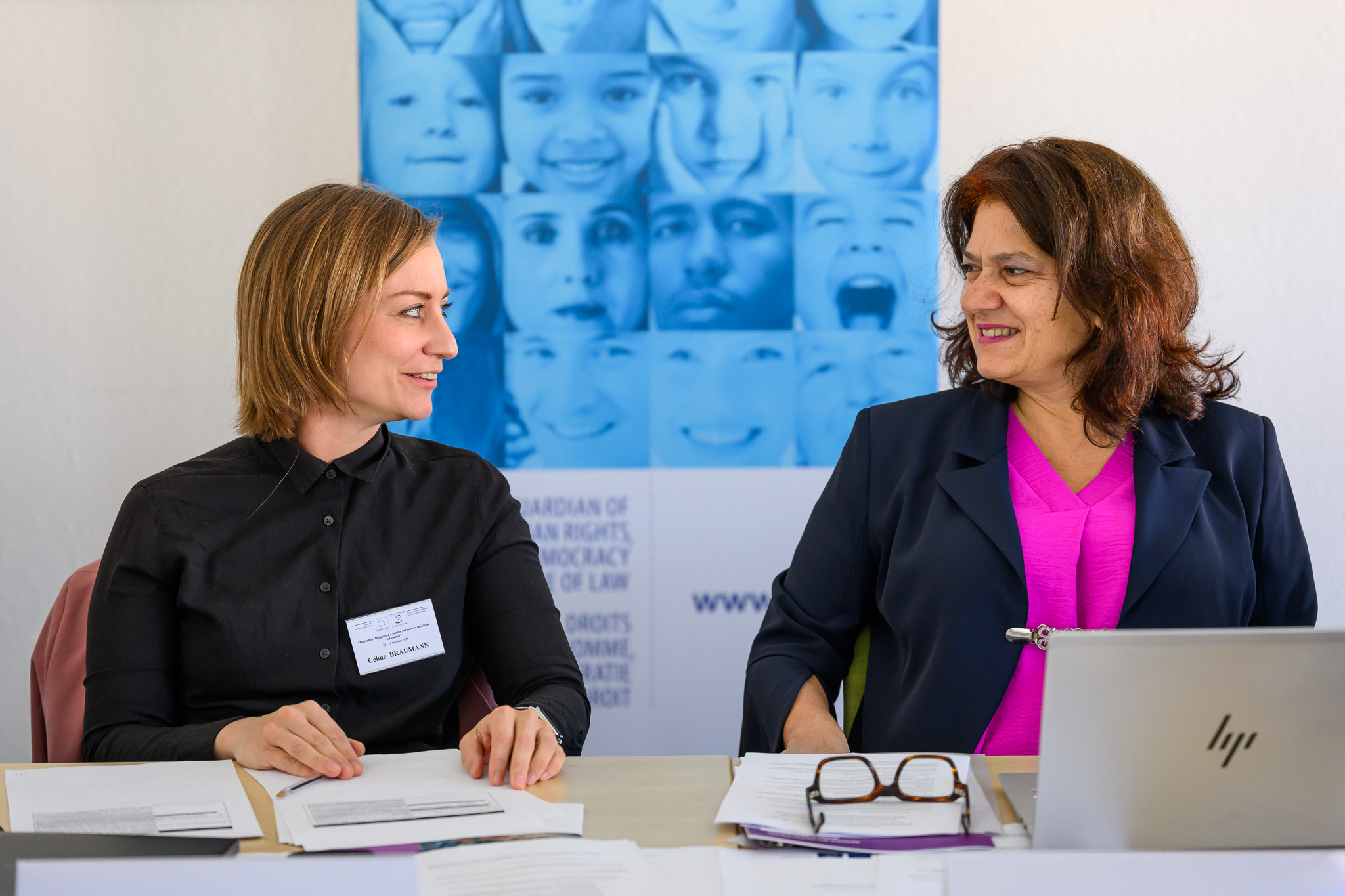
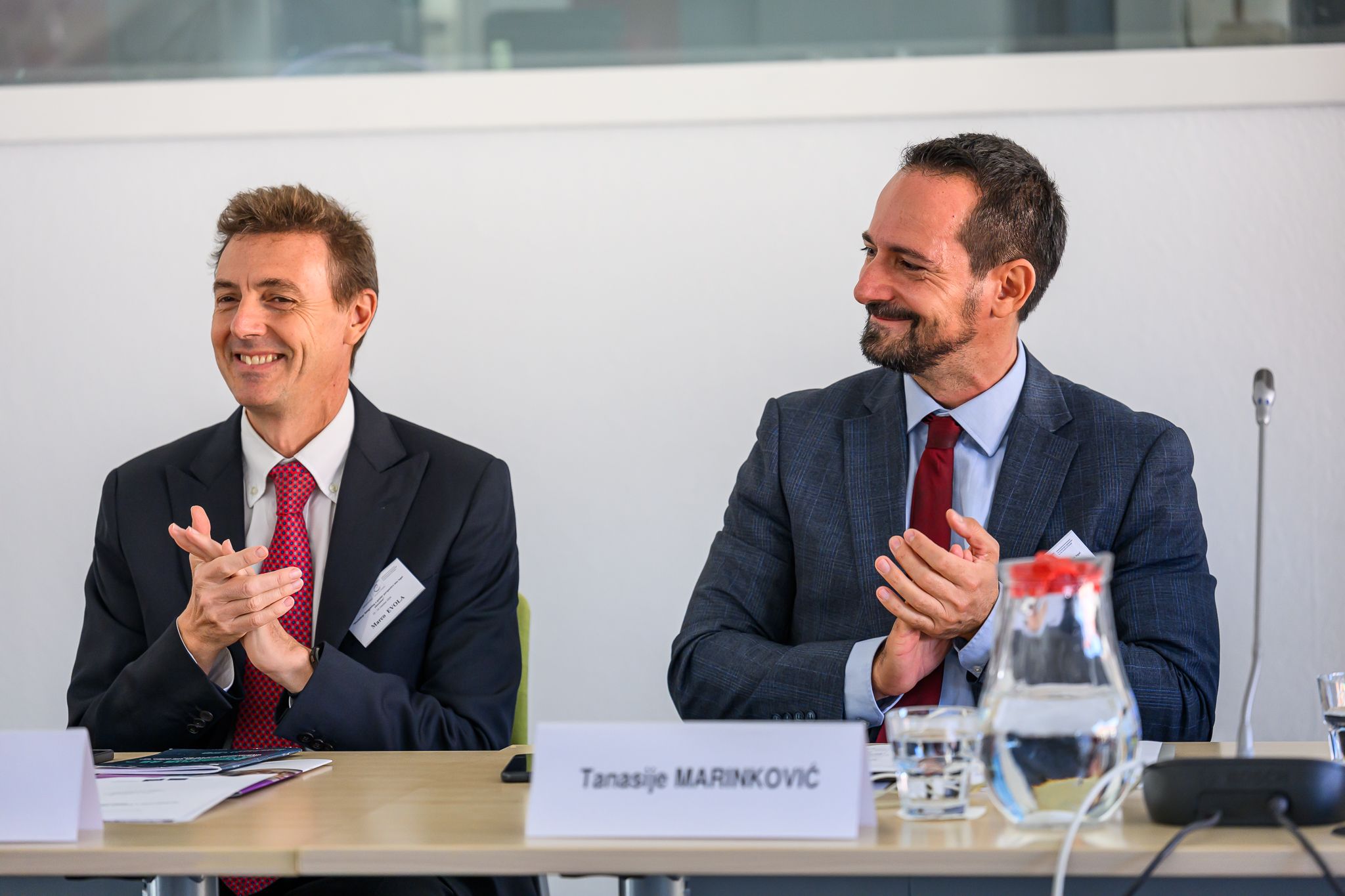
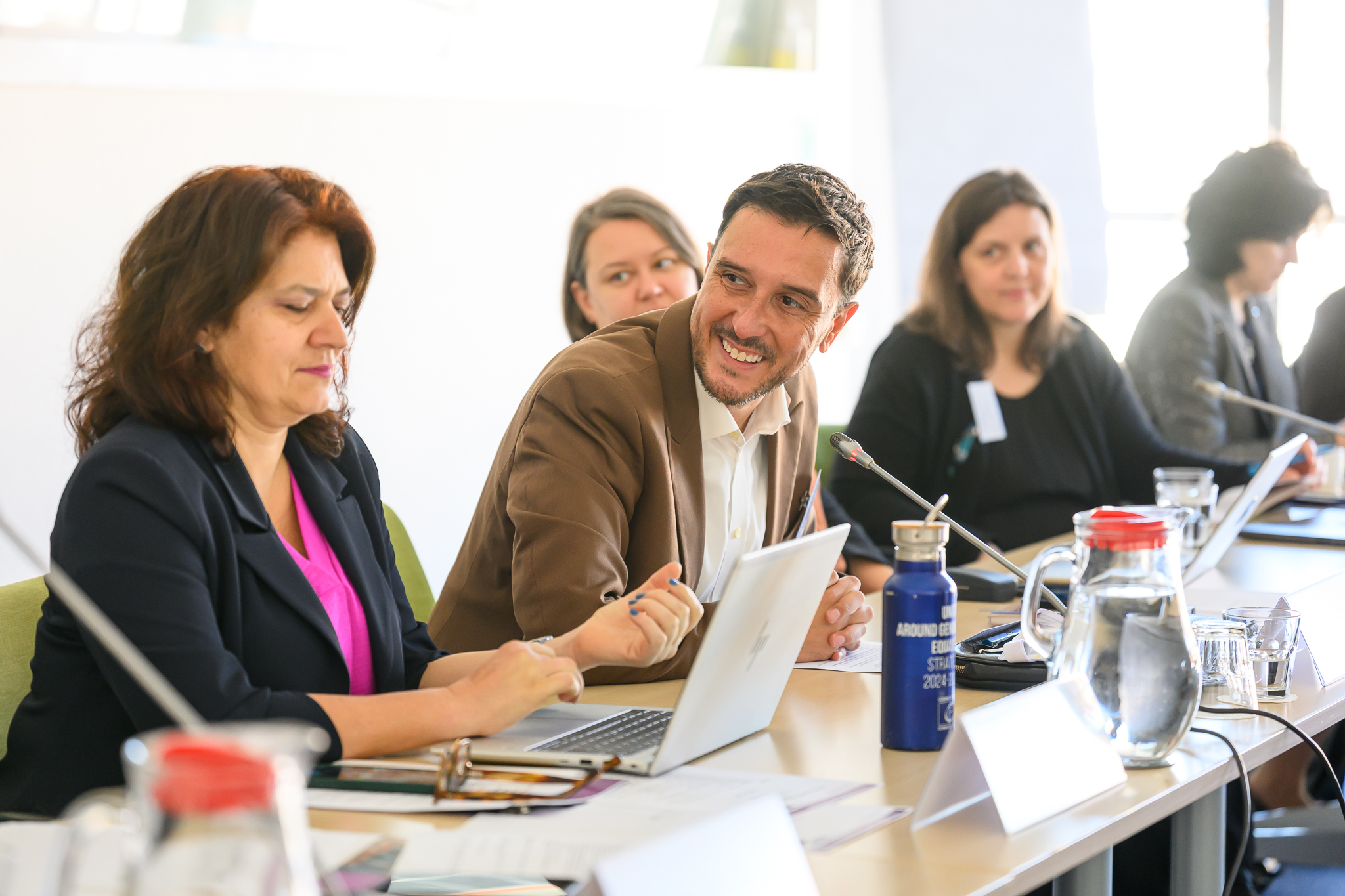
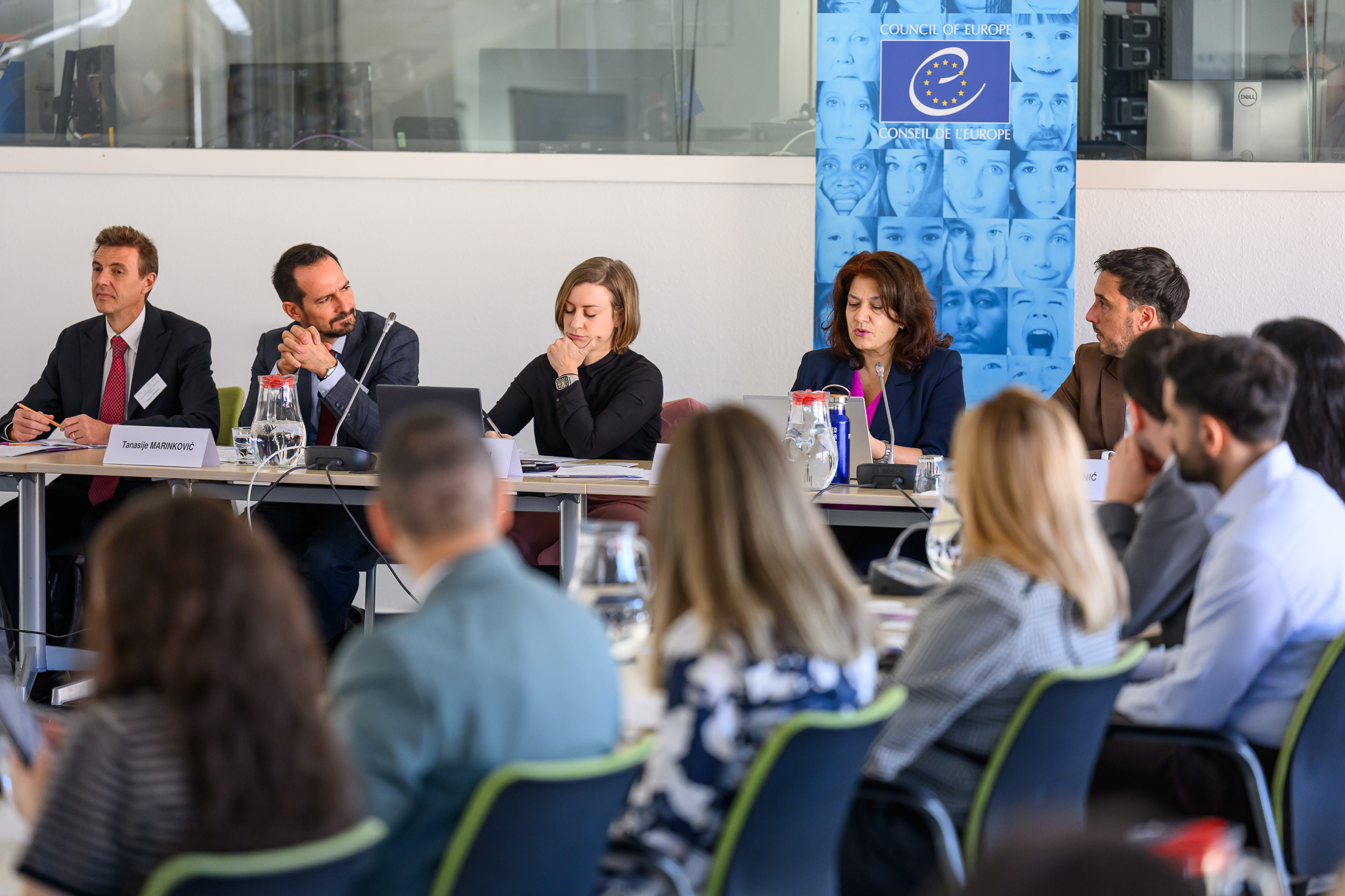
This reflection, shared by a participant in a regional workshop on integrating a gender perspective into legal education, captures the spirit of discussions bringing together more than 60 law professors from Armenia, Azerbaijan, Georgia, the Republic of Moldova and Ukraine, to explore practical ways to make legal education more gender-sensitive and to strengthen women's access to justice.
The Head of the Council of Europe’s Gender Equality Division. Caterina Bolognese, highlighted that “if we want to change the way justice is delivered, we must also look at how future legal professionals are educated. Law faculties have a crucial role in shaping not only legal knowledge, but also lawyers’ understanding of equality and justice.”
Drawing on the case-law of the European Court of Human Rights and on practical experiences of gender mainstreaming from various law schools, participants examined how gender bias can influence judicial reasoning and explored innovative approaches to teaching law. They also discussed practical resources, including the Council of Europe Programme for Human Rights Education for Legal Professionals (HELP) and the Gender Mainstreaming in Higher Education: Checklist for Law Schools.
Through interactive exchanges and country-group discussions, participants identified barriers and opportunities for integrating a gender perspective into law school curricula, teaching methods and institutional practices. The workshop encouraged concrete follow-up actions within and among universities, as well as stronger regional co-operation, including the exchange of teaching resources and good practices.
This event was organised as part of the European Union and Council of Europe joint programme “Partnership for Good Governance”, co-funded by the European Union and the Council of Europe and implemented by the Council of Europe, in the framework of the regional project “Women’s Access to Justice: implementing Council of Europe gender equality and violence against women standards”.