The joint European Union and Council of Europe regional project ‘Promoting Human Rights and Minority Protection in South East Europe’ issued an open Call, in August 2014,for expression of interest for small grants to local self-governments in South East Europe, dedicated to tackling minority issues. The considerable interest shown in the Call, with more than 150 applications submitted from all seven beneficiaries covered by the regional project, demonstrated both the need for and the aptness of the Project.
A task force within the local self-governments developed each of the applications, and therefore as a result of the Call, more than 700 stakeholders over the summer months were engaged in identifying, planning and promoting minority protection issues in their respective local self-governments.
The Call defined a number of possible minority protection issues to be covered by the applications, and the majority of individual applications covered multiple issues. The most common issue addressed by the applications related to culture, followed by minority rights in the field of education and active participation. Issues related to the official use of language were also covered as well as discrimination. Majority of applications (55%) from all seven beneficiaries addressed specific issues raised in the latest reports of the Framework Convention for National Minorities and European Charter for Regional or Minority Languages.
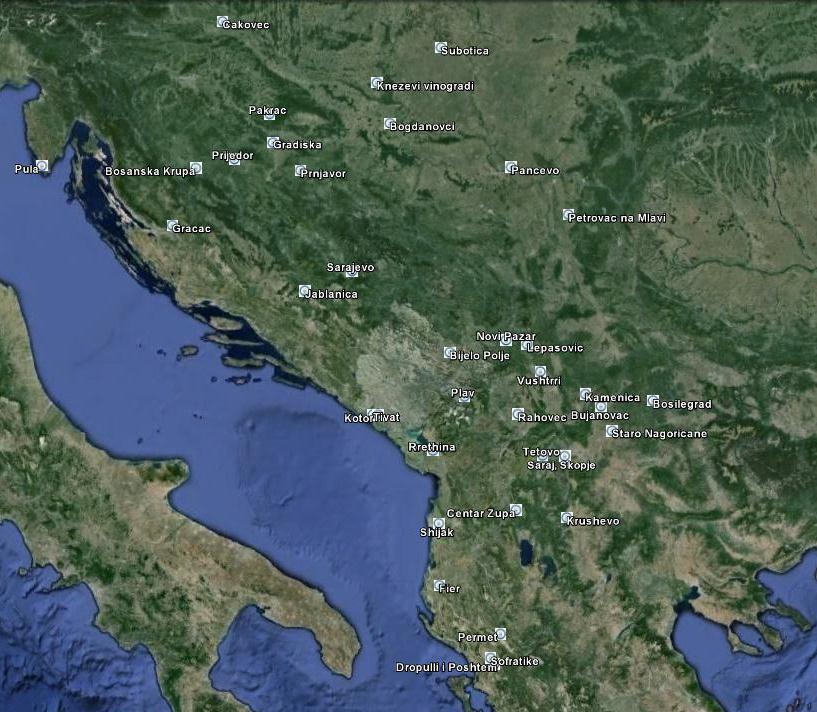
The respective Selection Committees for each beneficiary met in September/October 2014, with each Committee making a selection of local self-governments/project ideas according to the agreed criteria and point scheme. A total of thirty six (36) local self-governments from seven Beneficiaries were selected and a total of eighteen minority groups will be (directly or indirectly) affected by the implementation of the respective project ideas. Each project idea will be supported with Euro 18,000 under the regional project, as well as receiving technical assistance from experts.
Listing of selected local self-government for each beneficiary:
Albania:
1. Fier Municipality
2. “Dropulli i poshtëm/Sofratikë” Commune
3. Shijak Municipality
4. Përmet Municipality
5. “Rrethina” Commune
Bosnia and Herzegovina
1. Bosanska Krupa municipality
2. Gradiska municipality
3. City of Sarajevo
4. Prnjavor municipality
5. Jablanica municipality
6. City of Prijedor
Croatia
1. City of Pakrac
2. Knezevi Vinogradi municipality
3. City of Cakovec
4. City of Pula
5. Gracac municipality
6. Bogdanovci municipality
Montenegro
1. Tivat - Local Self-Government
2. Kotor - Local Self -Government
3. Bijelo Polje - Local Self -Government
4. Plav - Local Self -Government
Serbia
1. Bosilegrad - Local Self-Government
2. Bujanovac - Local Self -Government
3. Petrovac na Mlavi - Local Self -Government
4. Novi Pazar - Local Self -Government
5. Pancevo - Local Self -Government
6. City of Subotica - Local Self -Government
“the former Yugoslav Republic of Macedonia”
1. Staro Nagoricane - Local Self-Government
2. Krushevo - Local Self-Government
3. Saraj Skopje - Local Self-Government
4. Tetovo - Local self-Government
5. Center Zupa - Local self-Government
Kosovo*
1. Kamenica municipality
2. Vushtrri municipality
3. Rahovec Municipality
4. Leposaviç Municipality
The Project secretariat will visit the municipalities with short term experts who will assist the task forces on the municipal level to develop the project ideas and formulate it in light of the needs noted through the reports of the Council of Europe’s monitoring mechanisms and the national legislation and action plans.
Representatives of the selected municipalities will sign the small grant agreements officially during the First Regional Conference organized by the Project in Skopje, “the former Yugoslav Republic of Macedonia” from 26-27 November 2014.
*This designation is without prejudice to positions on status and is in line with UNSCR 1244 and the ICJ opinion on the Kosovo Declaration of Independence”