


 The overall objective of the project is to enhance – in line with the Beneficiaries' commitments to EU accession and Council of Europe standards* – social inclusion and social cohesion in the region by promoting inclusive education and training.
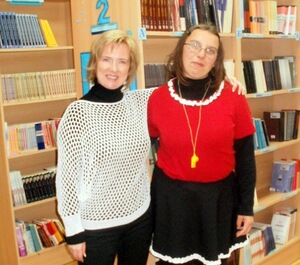 At a school graduation day in Croatia, school librarian Ms. Zdenka Špes gave a unique prize to a girl with special needs and in doing so gave her the joy of recognition. The concepts of the project that loyalty, love and trust in a child play a key role in education, inspired her to change her approach. Seminars on inclusive education held in Strasbourg held in April, gave her a new view on this particular case which she told us about.
“Sandra has learning difficulties and does not live with her biological parents. She lives with her older ‘aunt’ who offered her a home”, explained Ms. Špes, “For her whole life she has had to cope with very modest material conditions and with many difficulties, ones that most children of her age will never experience. Despite everything, Sandra has always been above average: well mannered, hardworking, kind to everyone and a passionate reader”.
Sandra graduated in a customised programme because of her learning difficulties, continued Ms. Špes, who works at the Gospodarska škola secondary school in Čakovec, Croatia.
Every year, this school traditionally gives awards to the best pupils. Their efforts in state or regional competitions are publicly presented. They are children with bright futures, with success expected for them and who will probably continue to university.
As a school librarian, Ms. Špes is in charge for assigning the award ‘The Reader’ for the child who reads the most. This year she made an exception. Besides numerical indicators, she included her personal opinion on individual students’ efforts. Guided by the idea of the European Union/Council of Europe Project “Regional Support for Inclusive Education” that the school should be a place where every child feels welcome, she chose Sandra.
“When Sandra heard that she was nominated for the award, she came running up to me with tears of joy and said breathlessly: ‘It is such a nice surprise for me! I'm very happy about it! Thank you, thank you!’", said Ms. Špes.
In all her 14 years working at the school, she said she has never seen or experienced someone so excited and pleased because of her decisions.
Ms. Špes wanted to share the story as an example of applying the key messages of the seminars: “The professional image and ethos of teachers” organised by the Polish authorities and the CoE and the seminar “Children at the Centre of Education”, organised by the Pestalozzi Programme of the CoE and the Education and Culture Commission of the Conference of International non-governmental organizations (INGO) at the Council of Europe.
She accomplished the goals of the seminars in practice. Ms. Špes kept an open mind in exploring pedagogical approaches, listening to a child’s needs and showing how the development of competencies for democracy and human rights can be promoted in the best way.